
Last updated November 21, 2026
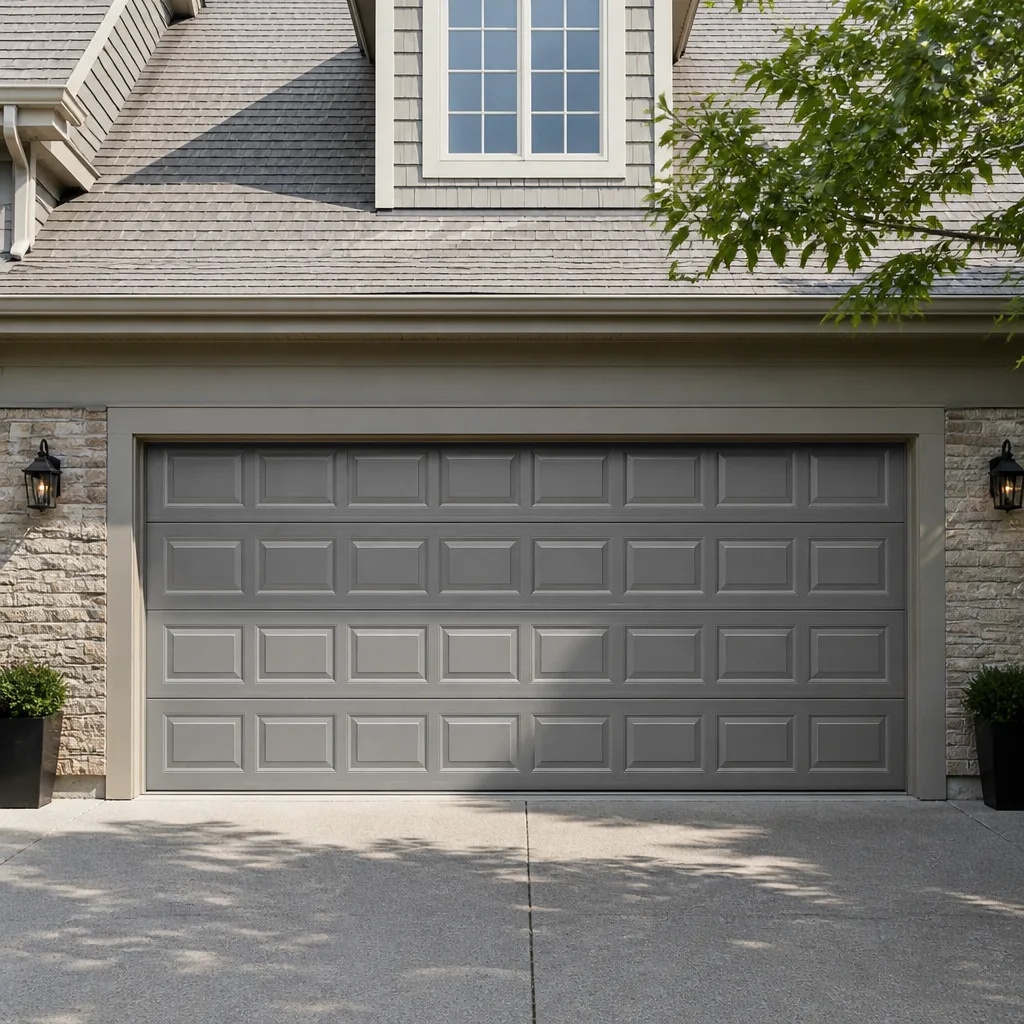 Raised-panel steel
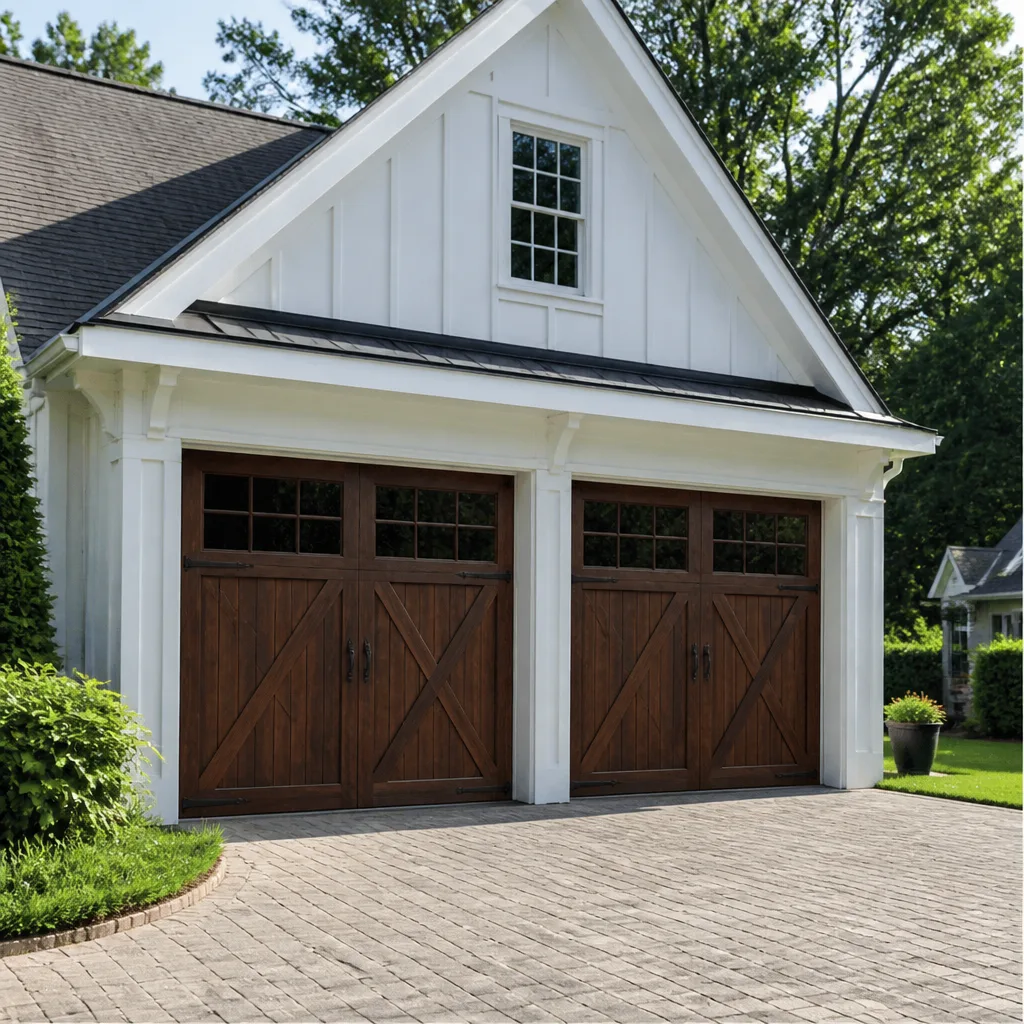 Carriage house
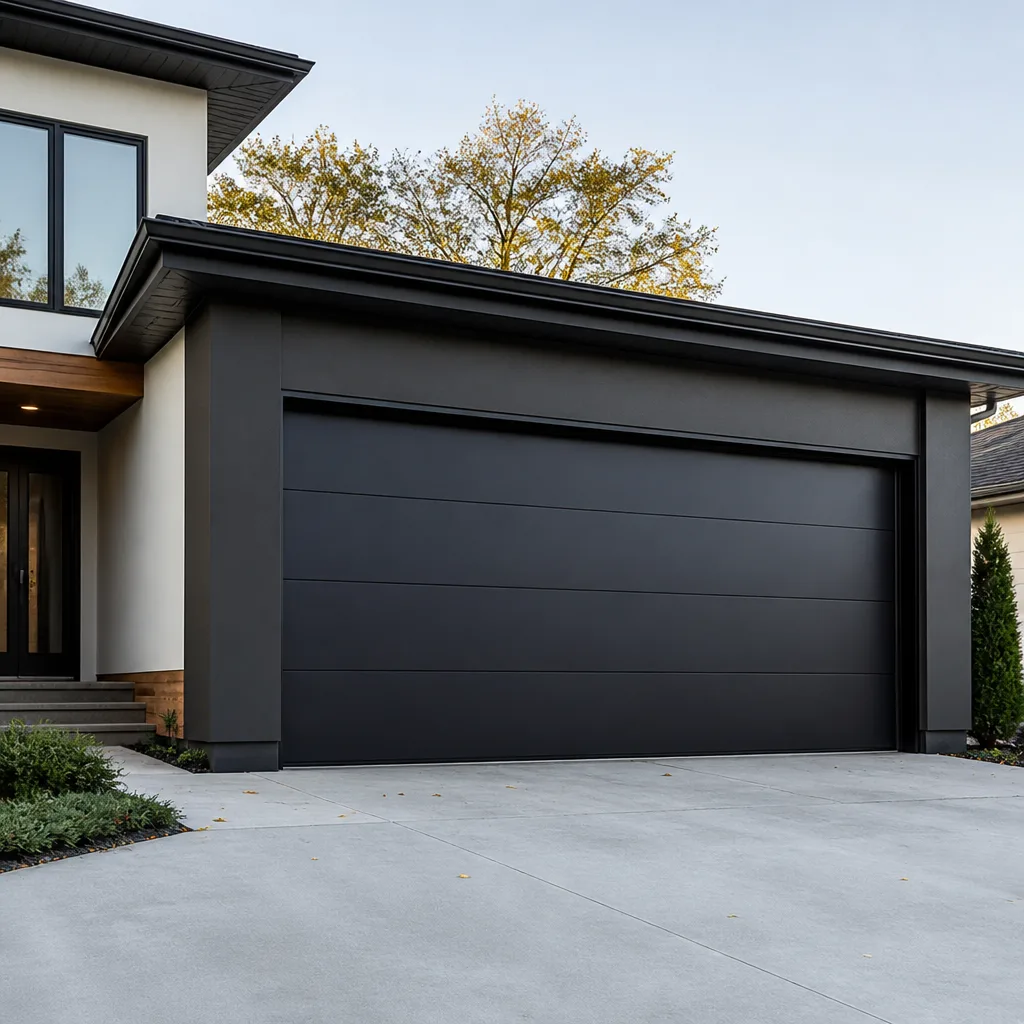 Modern flush
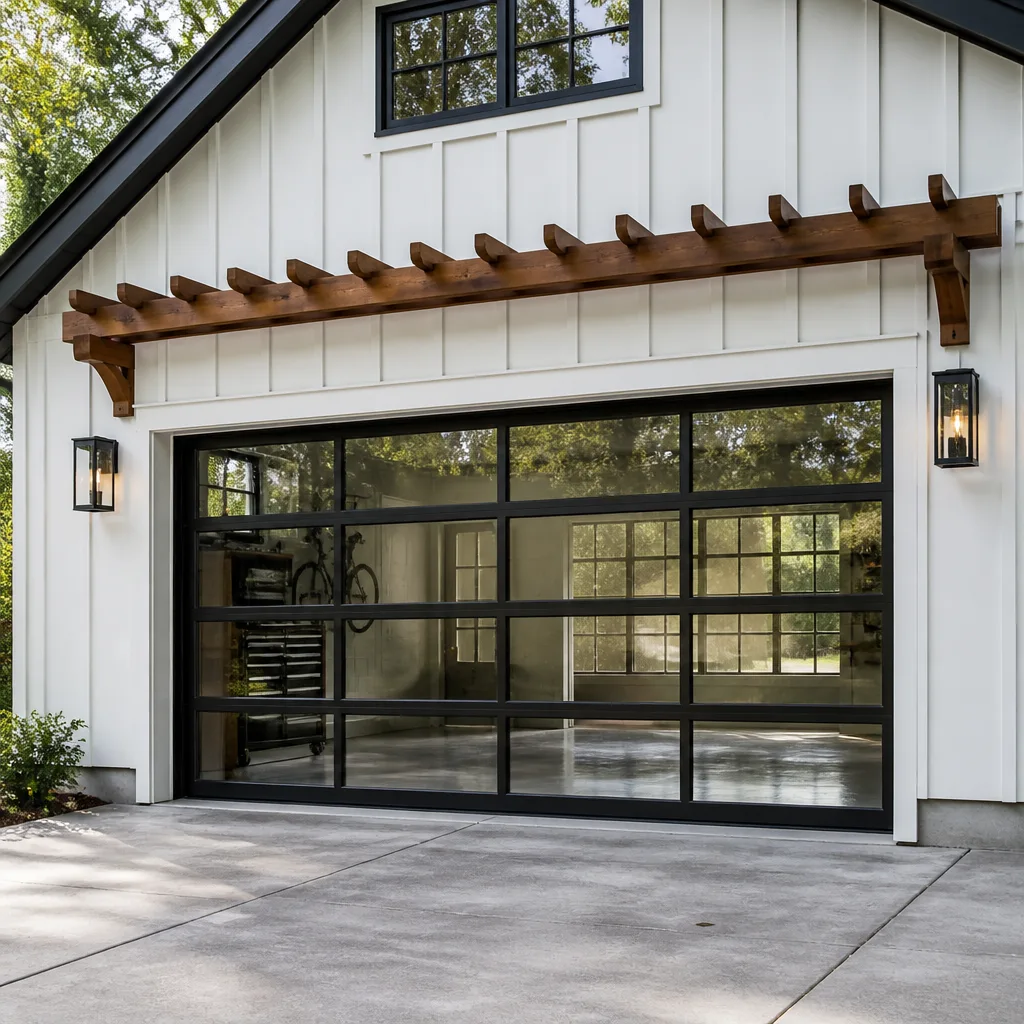 Full-view glass
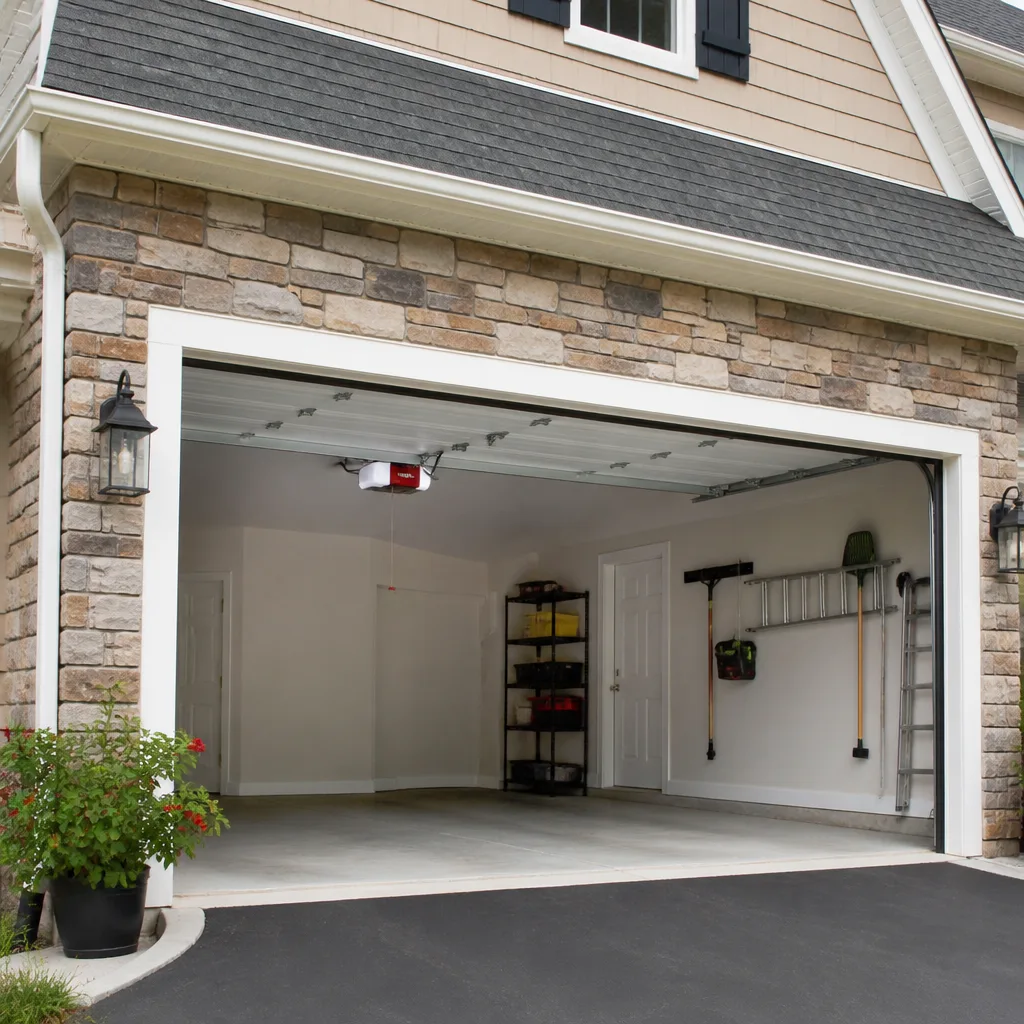 LiftMaster openers
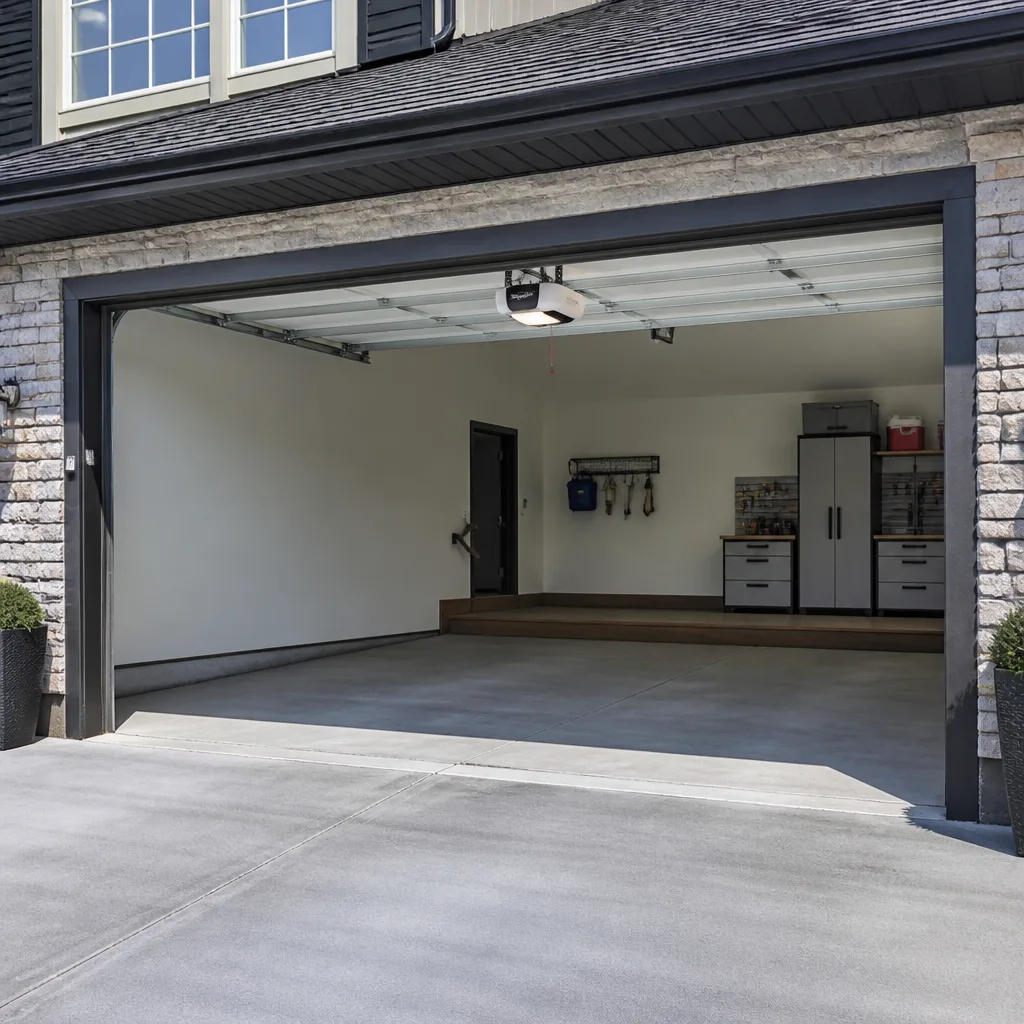 Chamberlain openers
Full 25-point door and opener safety check with every visit - springs, cables, rollers, tracks, and your LiftMaster or Chamberlain opener included
You get a price before we start. It does not change when the pro arrives.
Get your free estimateSeasonal Garage Door Care for Norwood Park: Year-Round Homeowner’s Guide
Most homeowners think a garage door fails because of one bad day. A single deep freeze, one hot afternoon. In our experience around Norwood Park, that’s backwards. The failures we see build up over months of small stresses that nobody notices until the morning the door won’t lift. The freeze-thaw cycle that defines a Chicago winter works on springs, cables and seals the way water works on a sidewalk crack: patiently, then all at once. This guide walks you through what each season actually does to your door and opener here in Norwood Park, and what to check before the damage compounds. It’s organized around the weather you really get, not a template pulled from a milder climate.
Quick Answer
Garage door care in Norwood Park follows a simple rhythm: prep the door before temperatures drop below 20°F, watch for cold-morning strain through winter, inspect cables and rollers after the last freeze, then guard against summer humidity on wood and metal panels. Handle lubrication, weatherstripping and opener settings before each season turns. Anything involving springs or cables under tension is a job for a trained technician, not a weekend project.
Styles & brands we work with
- Raised-panel steel
- Carriage house
- Modern flush
- Full-view glass
- LiftMaster openers
- Chamberlain openers
Table of Contents
- Fall Prep: The Pre-Winter Checklist Before Temperatures Drop Below 20°F
- Winter: How Cold Affects Spring Tension, Sensors and Cold-Morning Starts
- Spring: The Post-Winter Inspection That Matters Most
- Summer: Humidity, Heat and What It Does to Wood, Panels and Motors
- A Month-by-Month Task Calendar for Norwood Park
- Working With the Brand You Already Have
- Common Mistakes to Avoid
- When to Call a Professional
Fall Prep: The Pre-Winter Checklist Before Temperatures Drop Below 20°F
Fall is the highest-value maintenance window of the year in Norwood Park. What you do in October and early November decides how your door behaves through January and February. The goal is simple: get everything flexible, sealed and correctly adjusted while it’s still warm enough to work comfortably, so that the first hard freeze doesn’t find a weak point.
Work through this checklist before the first stretch of temps below 20°F:
- Test the balance of the door by hand. Disconnect the opener and lift the door halfway. It should hold roughly in place. A door that sinks on its own is telling you the springs are losing tension, and that’s the failure you want to catch in fall, not in February.
- Lubricate the right parts. Rollers, hinges, the torsion bar bearings and the tracks get a garage-door lubricant. Do not grease the tracks themselves; the rollers need to roll, not slide.
- Inspect the weatherstripping along the bottom and sides. A brittle bottom seal lets in cold air and water, which then freezes and cracks. If it’s stiff or torn, replace it before winter.
- Check the opener’s force and travel settings. Cold thickens lubricants and stiffens seals, so the door needs a bit more effort to move. If the opener is set right at its limit, it will reverse on a cold morning. Confirm the safety reverse still works by placing a small object in the door’s path.
- Align the safety sensors. Look for the small indicator lights on each sensor. If either is flickering or dark, it’s misaligned or the lens is dirty. Clean the lenses and confirm the beam stays unbroken across the opening.
- Tighten the hardware. Vibration loosens the bracket bolts and hinge screws over a year of daily use. A quick pass with a wrench now prevents rattles and wobble later.
Do this once, and the winter section below becomes mostly about listening and watching rather than fixing. If your fall inspection turns up a snapped spring or a frayed cable, that’s not something to sit on through the holidays. Our Garage Door Repair Norwood Park page covers how we handle urgent calls in this neighborhood.
Winter: How Cold Affects Spring Tension, Sensors and Cold-Morning Starts
Here’s the counterintuitive part. Springs don’t snap because of one brutal cold snap. They snap because steel under constant tension gets brittle as temperatures drop, then flexes through the daily freeze-thaw cycle, again and again, from December into March. Every contraction and expansion is a tiny stress. By late February the metal has taken months of it, and one cold morning is all it takes to finish the job. That’s why spring failures cluster here in late winter rather than at the first freeze.
What to watch through the cold months in Norwood Park:
- Cold-morning strain on the opener. If the door lifts slowly or the opener seems to labor on the first open of a frigid morning, the door is asking for more force than it’s set to give. Don’t just crank up the force setting on your LiftMaster or Chamberlain unit; find out why the door got stiffer. Often it’s a roller binding or a seal dragging.
- Sensor alignment drift. Cold shrinks metal brackets and can throw the safety sensors slightly out of line. If the door won’t close and the opener light blinks, check the sensors first. A dirty lens or a bent bracket is the usual culprit.
- Frozen bottom seals. A wet seal that freezes to the floor can tear the moment the door lifts. Keep the threshold clear of snow and ice, and don’t force a door that’s stuck to the ground.
- Lubricant that thickens. The lubricant you applied in fall should still be doing its job, but extreme cold makes everything a bit stiffer. If the door suddenly needs more effort, it’s a sign parts are binding.
Springs and cables are under dangerous tension. A torsion spring can store enough energy to cause serious injury if it releases while you’re near it. Never try to adjust, wind or remove a spring yourself; that work belongs to a trained technician. If you hear the loud bang of a spring letting go, stop using the door and call for garage door repair.
Spring: The Post-Winter Inspection That Matters Most
When the last freeze passes, your door has survived the hardest stretch of its year. Spring is when you find out what winter actually did. A thorough post-winter inspection catches the wear that would otherwise fail in summer heat, and it’s the single best time in Norwood Park to schedule a professional look if you’d rather not inspect the moving parts yourself.
Priorities after winter, roughly in order of importance:
- Cables. Look at the cables running along each side. Frays, kinks or a cable that’s come off a drum are serious. A snapped cable lets a door drop suddenly. Don’t operate the door if a cable looks damaged; call a technician.
- Springs. Check for visible gaps in the coil, a stretched look, or a door that feels unusually heavy. Those are signs the spring is on its way out. Given how much work your springs did over winter, this is the moment to have them assessed.
- Rollers. Worn rollers develop flat spots and stop rolling smoothly, which puts extra load on the opener. Spin each roller by hand; a gritty or stiff roller should be replaced.
- Bottom seal and side weatherstripping. Winter ice and freeze-thaw cycles crack and tear seals. Check the full perimeter and replace anything brittle.
- Tracks. Look for dents or sections that are out of line. A door that shudders on the way up often has a bent track.
- Opener behavior. Test the safety reverse and listen for new noises. A grinding or rattling opener in spring is usually a symptom of a door that needs attention, not a failing motor.
If your inspection turns up an opener that’s acting up, our garage door opener repair service covers the diagnostics and the fix. Spring is also the natural time to think about a door that’s simply worn out; a door that needed constant adjusting all winter may be telling you it’s near the end of its life, and that’s a conversation for garage door installation.
Summer: Humidity, Heat and What It Does to Wood, Panels and Motors
Summer in Norwood Park brings its own set of stresses. Heat and humidity work on your door differently than cold does. Where winter is about tension and brittleness, summer is about expansion, moisture and heat buildup. A door that sailed through winter without a creak can develop squeaks and sticking panels once the humidity climbs.
What to watch as the weather warms:
- Wood doors and humidity. Wood absorbs moisture and swells. Panels can warp, joints can separate, and the door can start binding in its tracks. If you have a wood door, watch for panels that no longer sit flush and seams that open up in damp spells.
- Metal panel expansion. Steel and aluminum panels expand in heat. On a very hot day a door can rub slightly where it didn’t in spring. If the door suddenly shudders or sticks, the panels may have shifted.
- Opener motor heat. An opener motor that runs hot or shuts down after a few cycles is telling you something. Often it’s a door that’s out of balance and forcing the motor to work harder than it should. Motors on Genie and LiftMaster units have thermal protection, so a shutoff isn’t random; it’s a sign of overload.
- Lubrication drift. Heat thins lubricant, and dust sticks to it. A quick wipe and fresh application on rollers and hinges keeps everything moving quietly.
- Seal shrinkage. Rubber seals can dry and shrink in summer heat, opening small gaps. Check the bottom seal after a hot stretch.
Summer is also a good time to plan ahead. If your door is aging, getting an installation scheduled in the milder months means you’re not dealing with a replacement in the middle of a cold snap. New doors are measured, ordered and scheduled, so the earlier you start that conversation the better.
A Month-by-Month Task Calendar for Norwood Park
Here’s the year mapped to the climate Norwood Park actually gets, so you know what to do and when. This isn’t a generic four-season list; it’s timed to the freeze-thaw cycle that drives most door failures here.
January-February. The peak stress period. Watch for cold-morning strain, sticking doors and sensor drift. Keep the threshold clear of ice. If a spring fails, stop using the door and call. These are the months when springs give out most, so don’t ignore a door that suddenly feels heavy.
March. The transition month. Freeze-thaw cycles continue, but the days warm. This is the time for the post-winter inspection of cables, rollers and seals, before the last of the winter wear turns into a summer failure.
April-May. Full spring inspection and any repairs that surfaced over winter. Test the opener settings, clean and lubricate, replace worn seals. Milder weather also makes it a comfortable window for installation or replacement work if your door is due.
June-August. Humidity and heat season. Watch wood doors for warping, metal for expansion rubbing, and the opener for overheating. Keep lubrication topped up. Check seals for shrinkage after hot stretches.
September-October. Your most important preparation window. Work through the fall checklist: balance test, lubrication, weatherstripping, opener force and travel settings, sensor alignment, hardware tightening. Getting this done before temps drop below 20°F is what carries your door through winter.
November-December. Early cold. Confirm the fall work held up, test the safety reverse, and keep the door clear of snow and ice. If something was marginal in fall, address it now rather than waiting for the first hard freeze.
Working With the Brand You Already Have
Your maintenance schedule matters, but so does the hardware on your door. We work on the brand you already have, whether that’s an opener from LiftMaster, Chamberlain or Genie, or a door from Raynor, Clopay, Amarr or Wayne Dalton. Brand fluency matters for seasonal care because each system has its own adjustment points and part numbers. An opener that needs its force setting dialed in, a door with a specific roller type, a seal that only fits one manufacturer’s profile: knowing the brand means the right part and the right adjustment the first time, without hunting around for an obscure component.
We service eight of the most widely installed garage door and opener brands on the market, which covers both the door manufacturers and the opener drive manufacturers. That range matters over a full year of seasonal care, because a maintenance visit or a repair shouldn’t depend on whether your hardware happens to be a common brand or a less common one. Garage doors are all we do, so every job, from a routine adjustment to a spring replacement to a full installation, is core work rather than a side service. When a seasonal check turns up a problem, knowing the brand up front shortens the path to fixing it.
For homeowners who aren’t sure what they have, the brand name is usually printed on the opener housing or the door’s edge label. It’s the first thing we ask when you call, because it tells us what parts and adjustments we’re likely working with.
Common Mistakes to Avoid
- Trying to fix a spring yourself. This is the mistake that causes the most serious injuries. Springs and cables hold stored energy, and a release can happen instantly. Leave that work to a trained technician and keep your hands clear of the springs.
- Cranking up the opener force setting to get through winter. If the door needs more force, something is binding. Turning up the force masks the problem and puts extra load on the motor. Find the cause instead.
- Skipping the fall checklist because the door “seems fine.” The seasonal damage builds quietly. A door that feels fine in October can be one cold morning away from a spring failure. Fall prep is the prevention; a spring repair in February is the cost of skipping it.
- Ignoring a door that’s getting heavier. A door that needs a little more effort each week is signaling spring wear. Getting it checked in autumn is far easier than dealing with a snapped spring mid-winter.
- Letting ice build up at the threshold. A seal frozen to the floor tears the moment the door lifts. Keep the base of the door clear through the cold months.
- Treating summer humidity as harmless. Warped wood panels and binding metal panels are seasonal damage too. Check the door after hot, humid stretches rather than waiting for a problem to announce itself.
- Greasing the tracks. It’s a common mistake, and it causes the rollers to slide rather than roll, which makes the door harder to operate. Lubricate the rollers and hinges, not the tracks.
When to Call a Professional
Some seasonal care is yours to handle: lubrication, testing the safety reverse, cleaning sensor lenses, keeping the threshold clear. Other situations call for a trained technician, and it’s worth knowing the line. Call a professional if you notice a frayed or snapped cable, a spring with a visible gap or a door that won’t hold its position, a door that shudders or binds in its tracks, an opener that reverses for no reason or shuts down repeatedly, or any door that has become suddenly hard to lift. If a spring has snapped, stop using the door and don’t try to operate it manually. Garage Door Repair Norwood Park offers free estimates in Norwood Park; call (844) 443-3746. We answer 24/7. Fast dispatch, 7am-7pm, Sunday through Friday.
See the difference
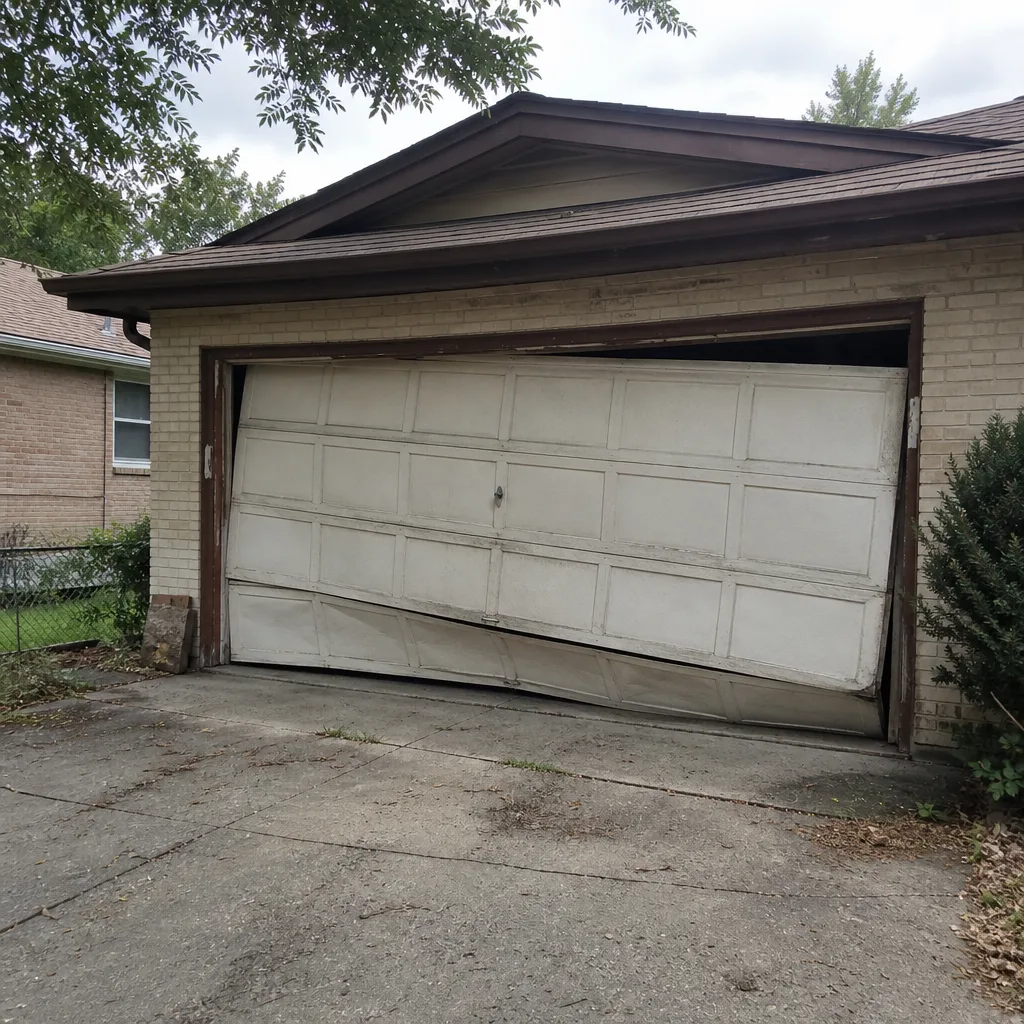 Before
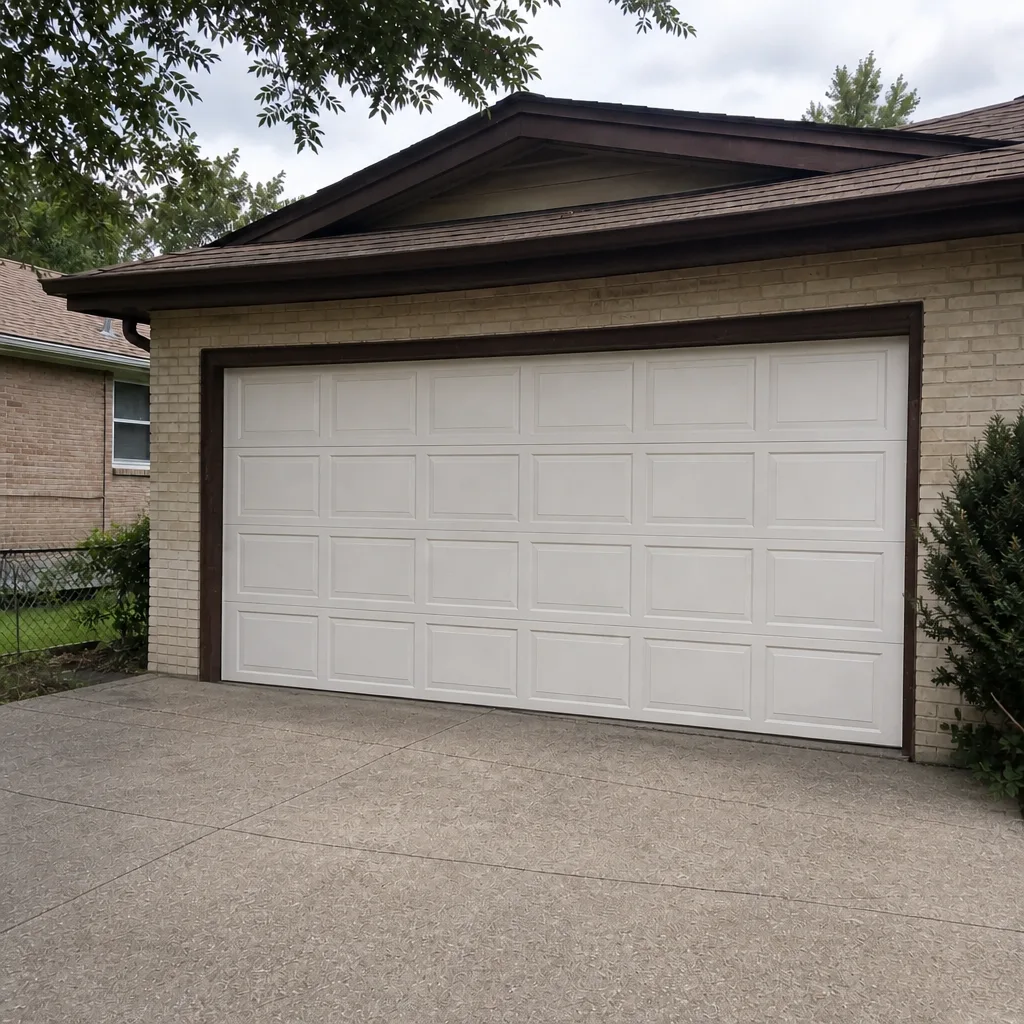 After
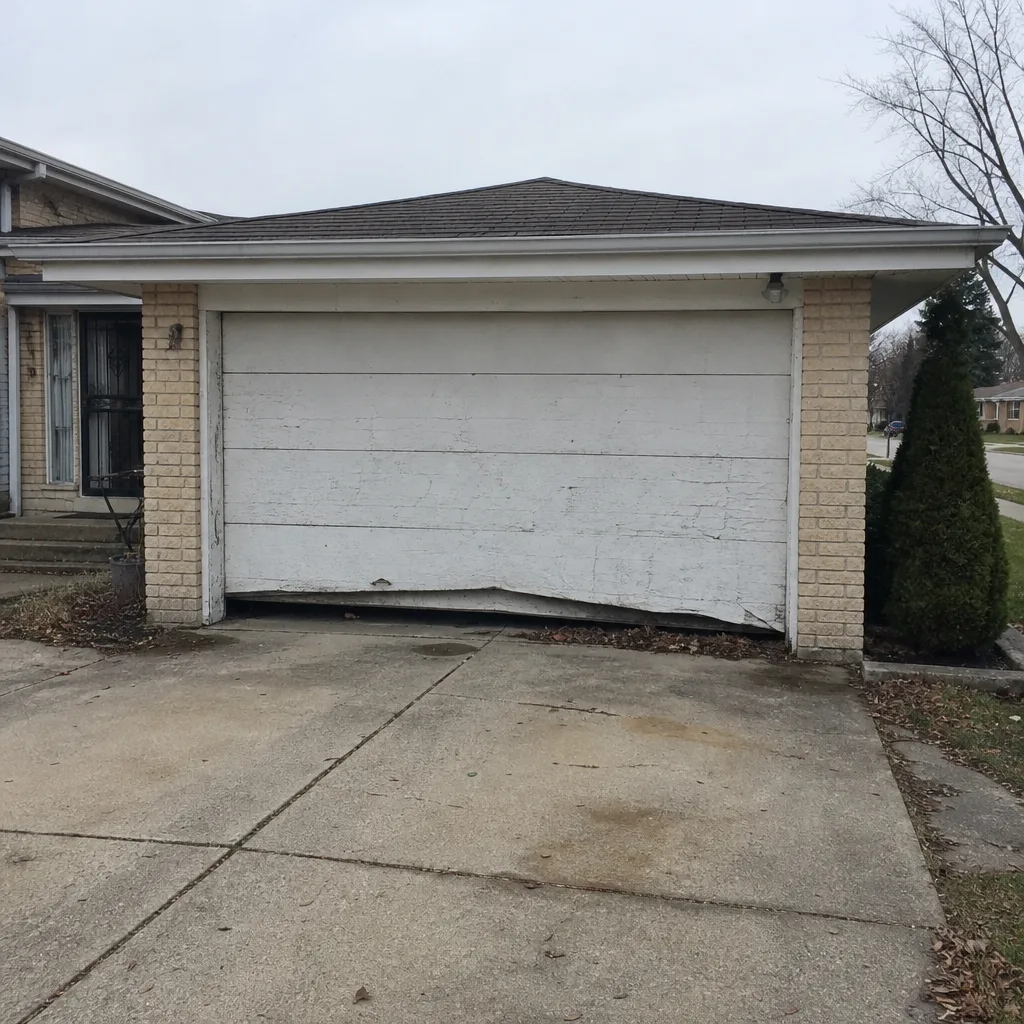 Before
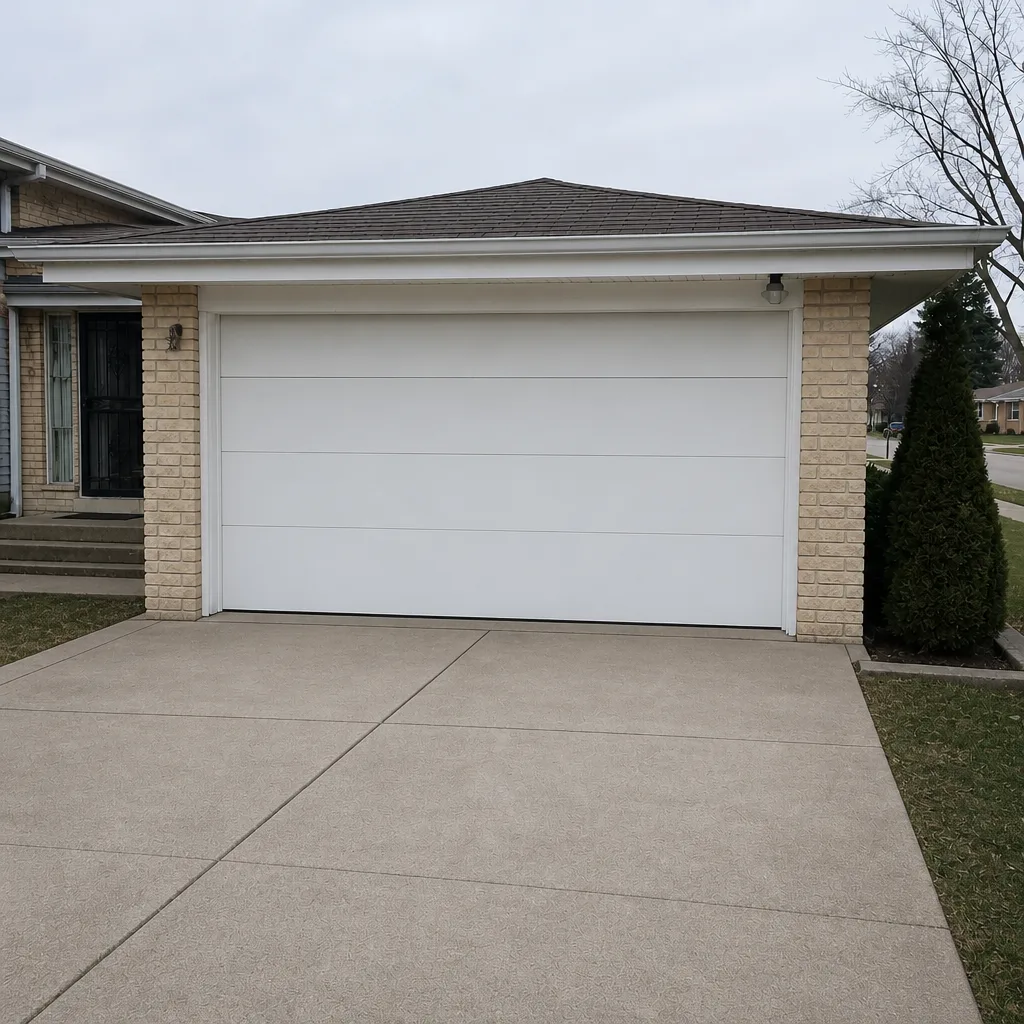 After
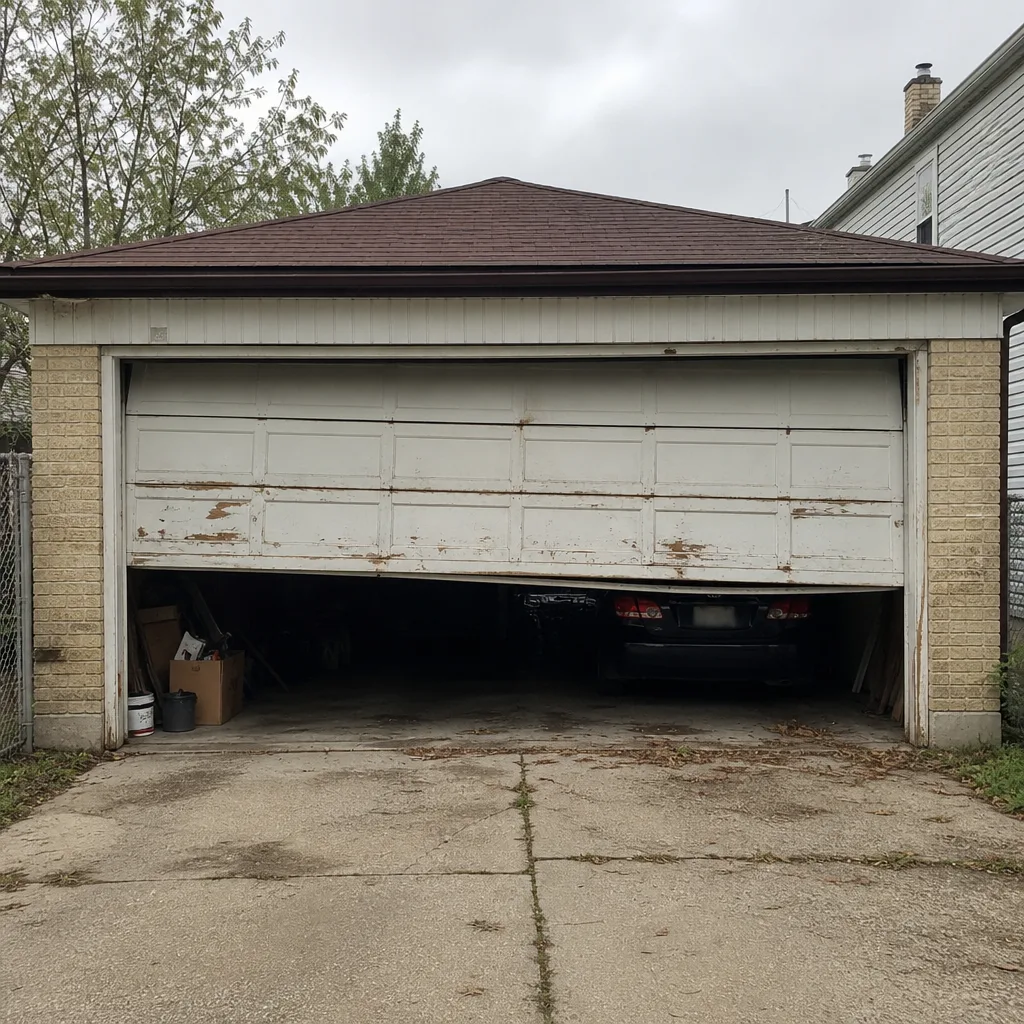 Before
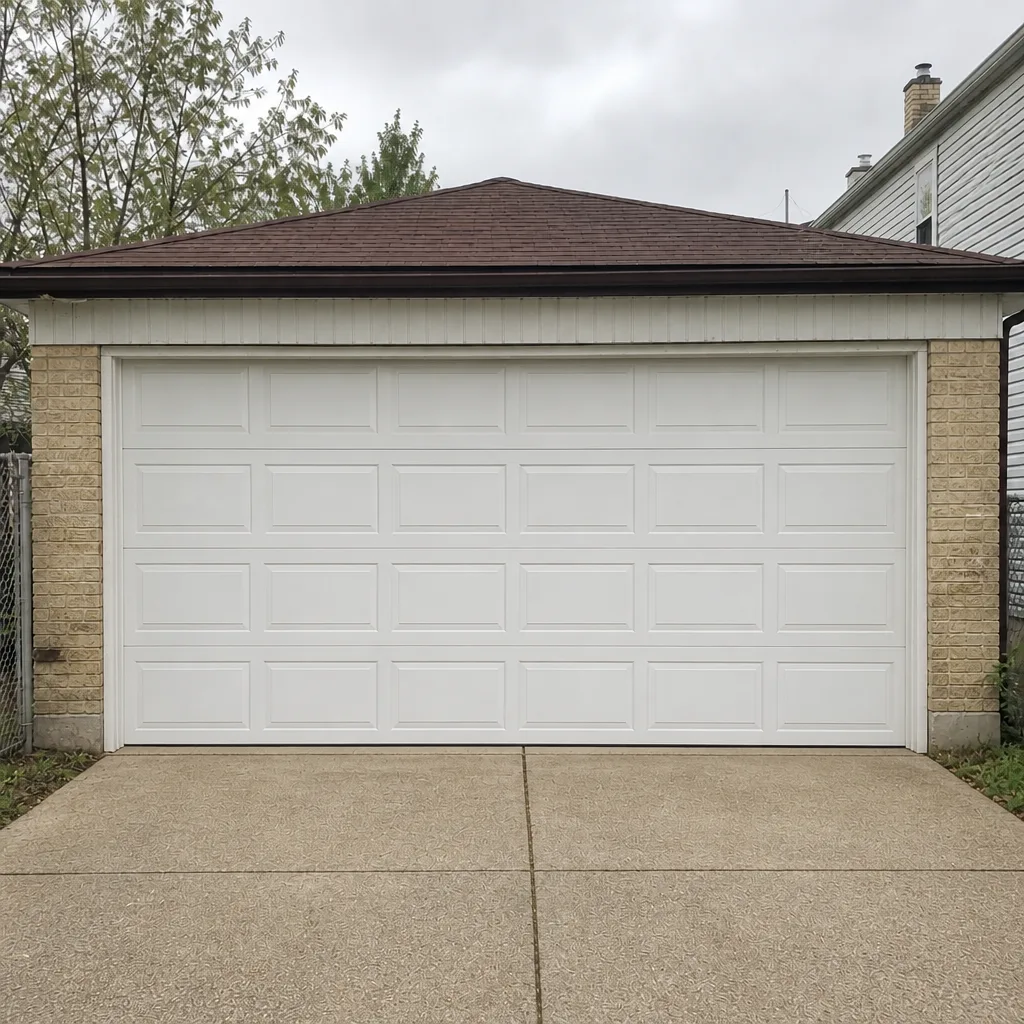 After
Frequently Asked Questions
Spring failures cluster in late February through early March, after months of freeze-thaw cycling have fatigued the metal and the coldest mornings finish the job. The buildup starts in December, so the risk rises steadily all winter. That timing is exactly why fall preparation matters more than any other single maintenance window.
It matters a lot, because the damage from cold and freeze-thaw builds quietly and shows up as a failure rather than a warning. A door that feels fine in October can be one cold morning away from a spring letting go. Fall prep catches the weak points while they’re still cheap and easy to fix. Call (844) 443-3746 for an exact quote if you’d rather have a professional look.
Yes. Lubricating the rollers, hinges and torsion bar bearings with a garage-door lubricant is homeowner-friendly work. Just remember to leave the tracks alone, and never touch the springs or cables, which are under dangerous tension. If lubrication doesn’t fix a sticky door, the door likely needs an adjustment a technician should handle.
Cold thickens the lubricant and stiffens the seals, so the door needs slightly more force to move, and an opener set right at its limit will reverse or labor. That’s often a sign the door needs adjustment rather than the opener being faulty. If a LiftMaster or Chamberlain opener keeps struggling after your fall prep, it’s worth having the door checked.
Winter stresses them through constant freeze-thaw flexing and the extra load of a stiffer door. Cables can fray or come off a drum, and rollers develop flat spots from the added effort. A post-winter inspection in March catches that wear before it turns into a summer failure. If you spot a frayed cable, don’t operate the door, call for repair.
If your door needs constant adjusting through winter, has warped or separating panels, or has repeated cable and spring trouble, replacement becomes the better value. Summer and mild spring weather are good windows to plan an installation, since new doors are measured and ordered ahead of time. Call (844) 443-3746 for a free estimate on an exact quote.
The Bottom Line
Your garage door doesn’t fail because of one bad day. It fails because a Chicago winter works on it for months, and the homeowner only notices at the end. The fix is a rhythm: a thorough fall checklist before temps drop below 20°F, careful watching through winter, a post-winter inspection in March, and humidity awareness through summer. Springs and cables stay in the hands of a trained technician, always. If your seasonal check turns up anything that needs a professional eye, or you simply want it done right the first time, call Garage Door Repair Norwood Park at (844) 443-3746 for a free estimate. We answer 24/7. Fast dispatch from 7am to 7pm, Sunday through Friday. Whether it’s a spring that let go, an opener that’s acting up, or a full replacement, one call covers it. Our technicians have up to 8 years of experience.
Written by the team at Garage Door Repair Norwood Park.