
Last updated November 21, 2026
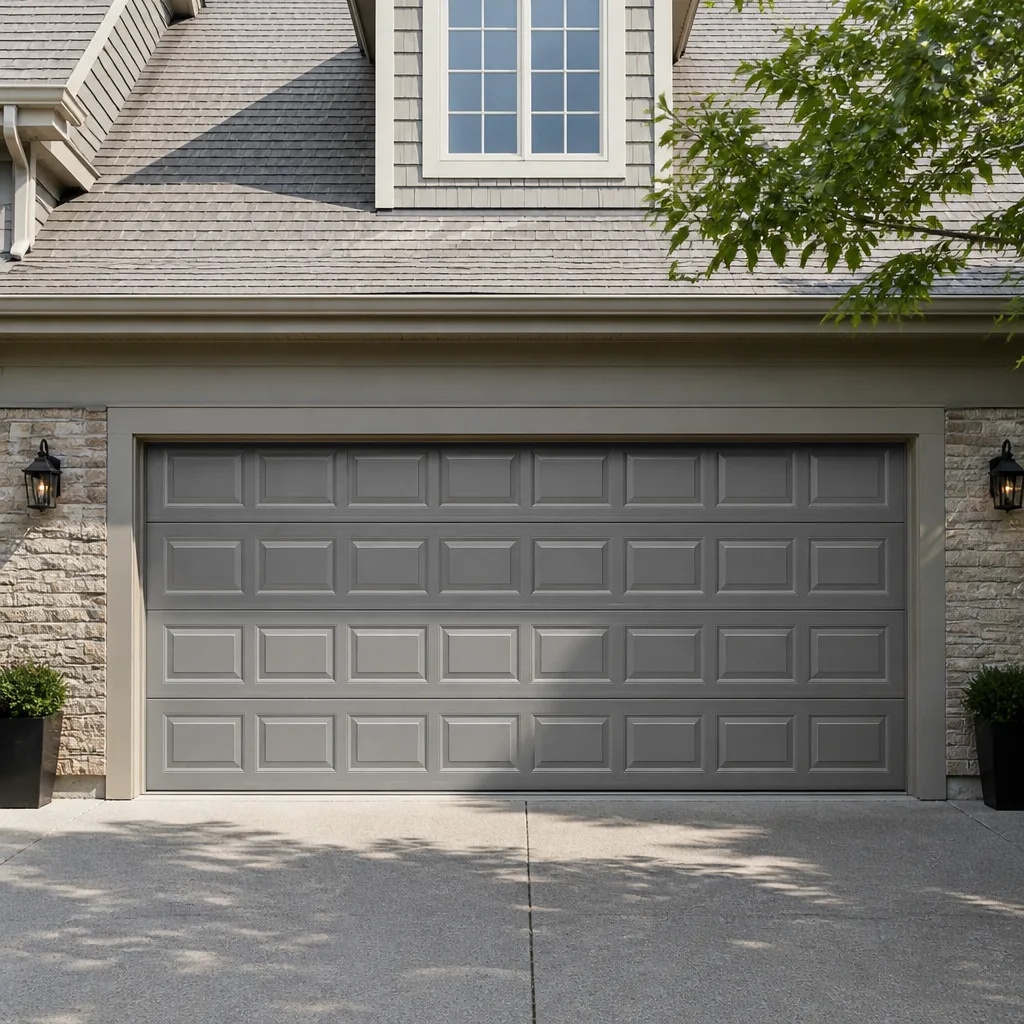 Raised-panel steel
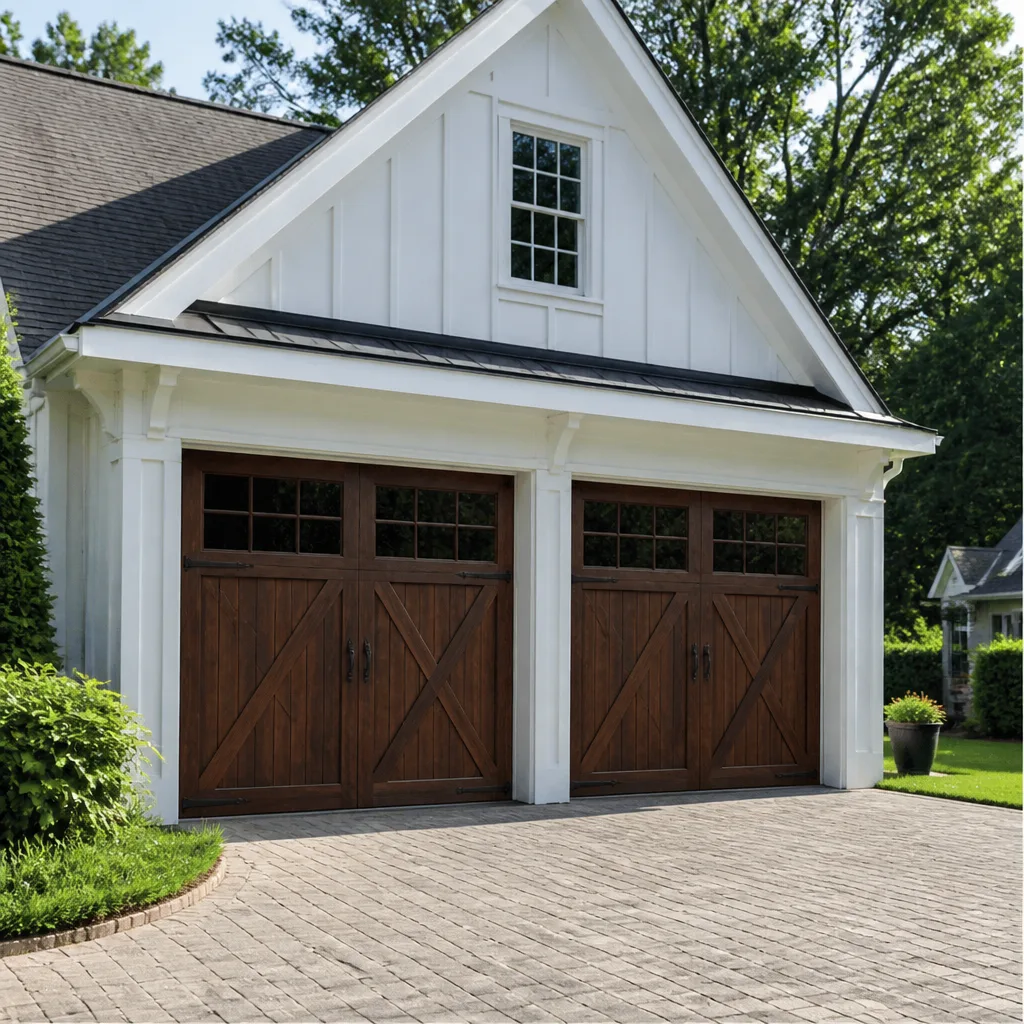 Carriage house
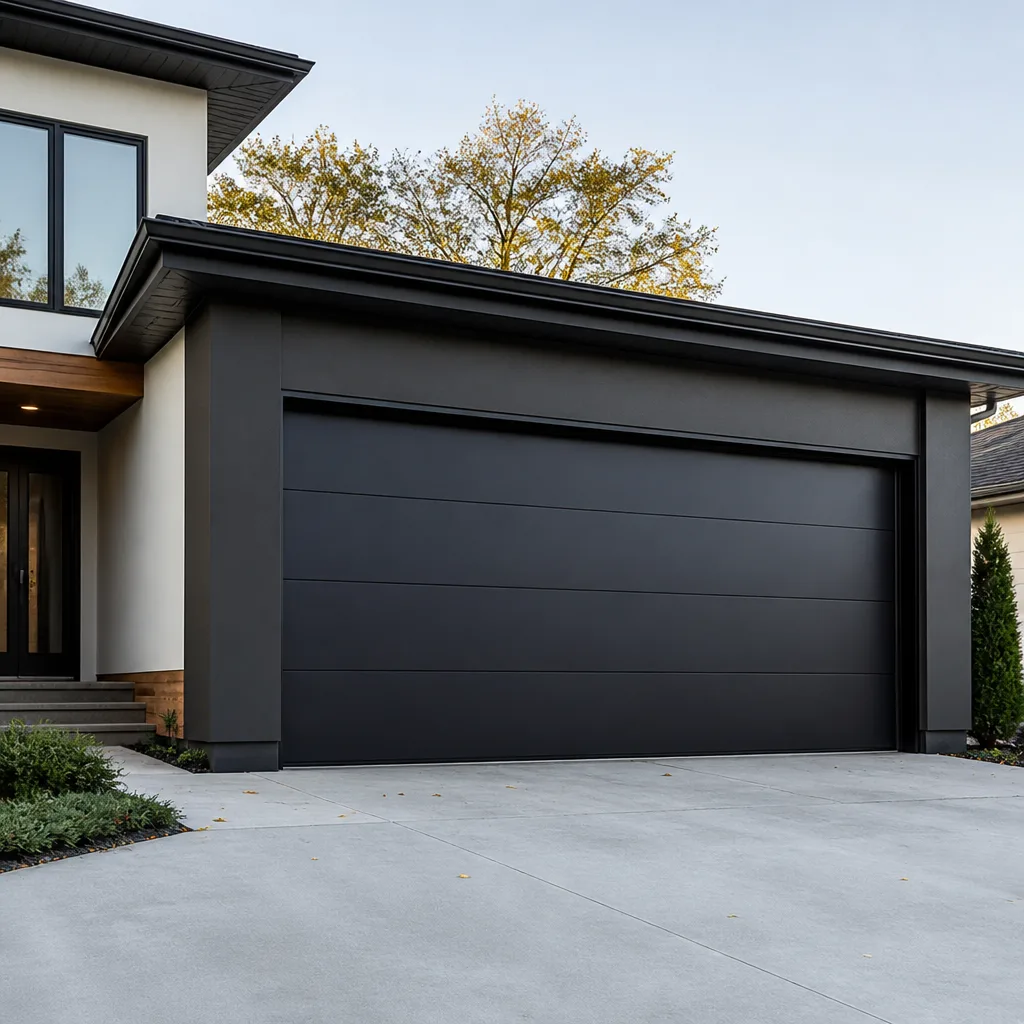 Modern flush
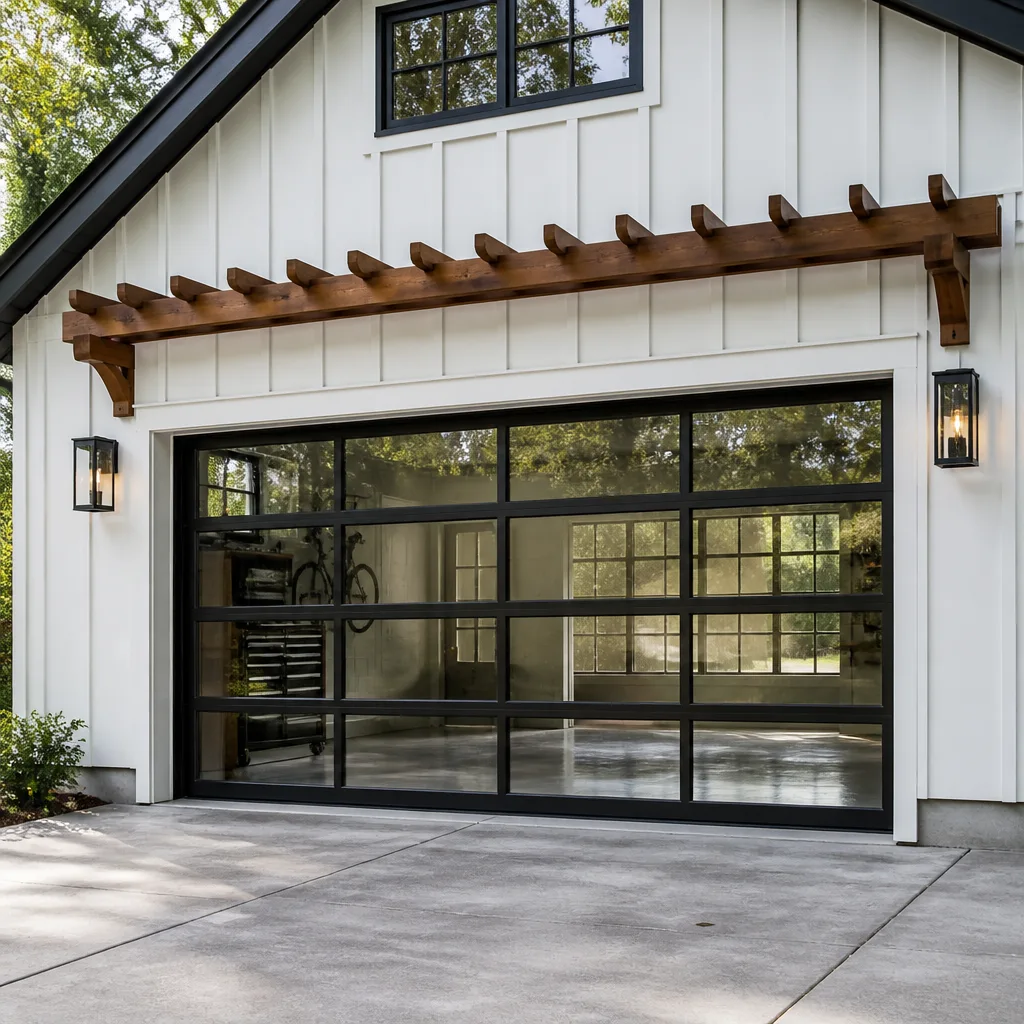 Full-view glass
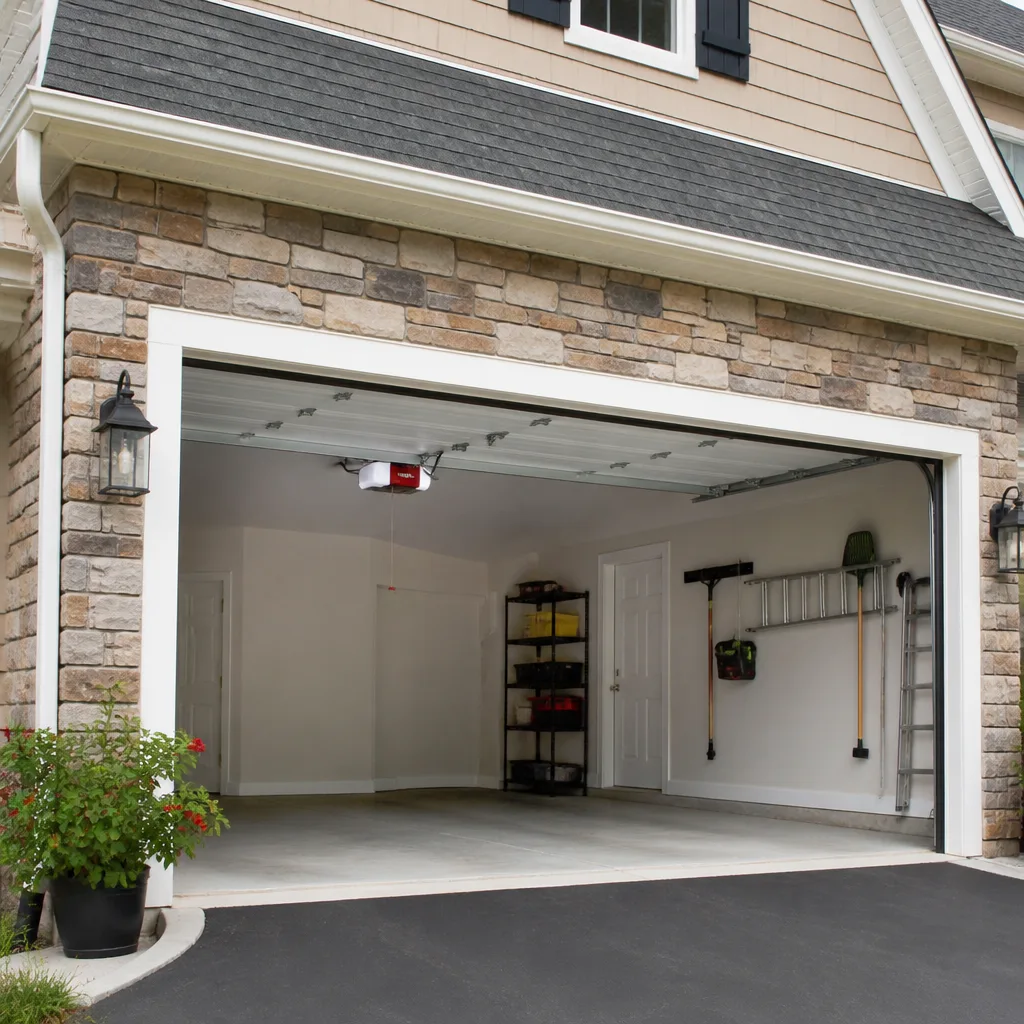 LiftMaster openers
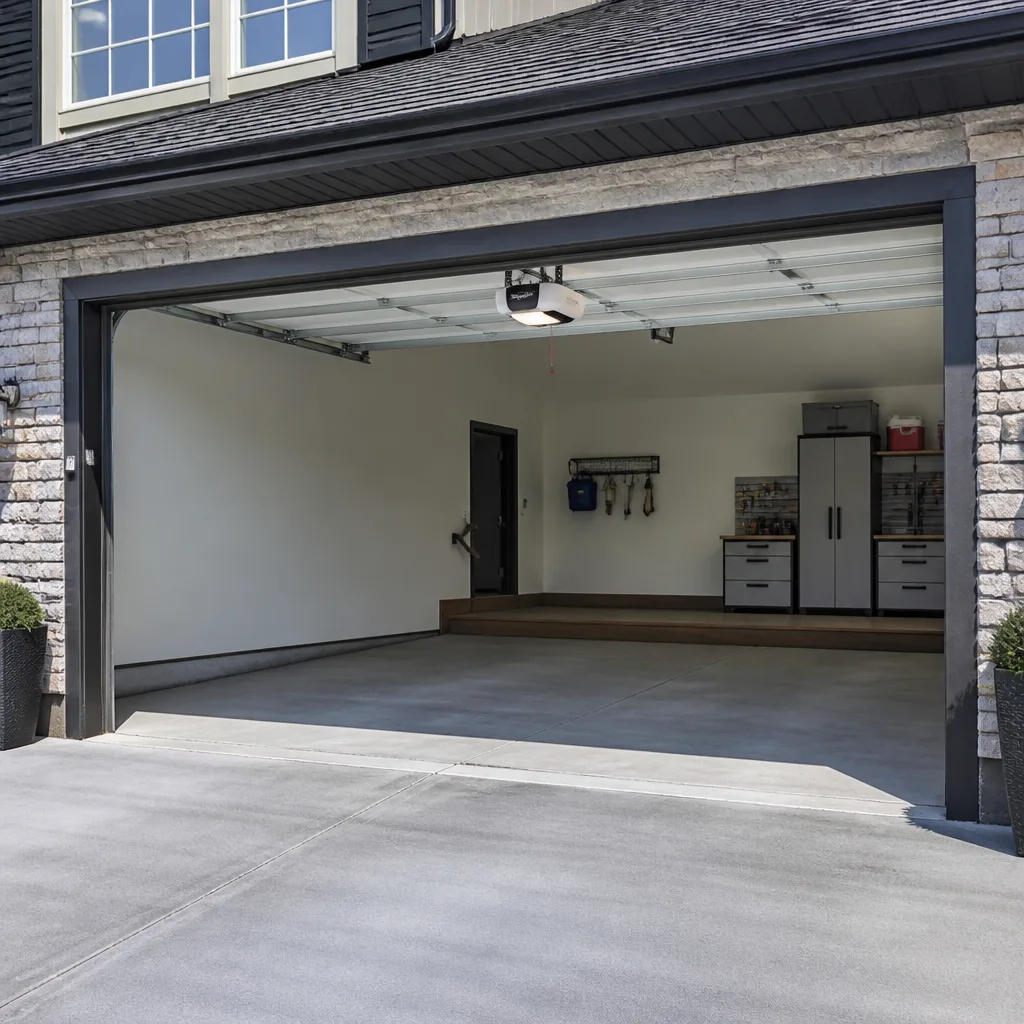 Chamberlain openers
Full 25-point door and opener safety check with every visit - springs, cables, rollers, tracks, and your LiftMaster or Chamberlain opener included
You get a price before we start. It does not change when the pro arrives.
Get your free estimateThe Complete Guide to Garage Doors in Norwood Park
Most garage door guides are written for a suburb that doesn’t exist. They assume a wide, straight driveway, a deep garage, and a door that was installed sometime in the last few years. Norwood Park doesn’t work that way. Walk the blocks around the Norwood Park Metra station or the bungalows off Harlem Avenue and you’ll find narrow side-entry garages, 1950s framing that has settled and shifted, and doors that have survived more Chicago freeze-thaw cycles than anyone planned for. If you’re pricing a repair or a new door here, those three realities shape almost every decision on this page. We’ll walk through headroom and opening limits, material performance, when to repair versus replace, and the neighborhood’s garage door code questions.
Quick Answer
The right garage door decision in Norwood Park comes down to three things: measure your actual headroom and opening width (older garages here often can’t fit a standard door or high-lift opener), pick a material suited to freeze-thaw rather than to the showroom, and repair an aging system unless the frame or the door itself has moved. Most doors in Norwood Park can be repaired rather than replaced, and most openers here are either LiftMaster or Craftsman.
Styles & brands we work with
- Raised-panel steel
- Carriage house
- Modern flush
- Full-view glass
- LiftMaster openers
- Chamberlain openers
Table of Contents
- Why Norwood Park garages aren’t as simple as they look
- Which door materials survive Chicago winters
- Repair or replace? A decision framework
- The brands actually installed in Norwood Park
- Matching the opener to the door
- When Chicago building code touches your garage door
- A seasonal check that pays for itself
- Common mistakes to avoid
Why Norwood Park garages aren’t as simple as they look
The bungalows, two-flats, and postwar ranches that make up most of Norwood Park were built for cars that were smaller, garages that were tighter, and doors that didn’t need to be insulated. The result is a housing stock where the “standard” door you’ll find priced at a big-box store often won’t fit. Two things come up on nearly every job here: low headroom and narrow openings.
Headroom is the space between the top of the door opening and the ceiling. A standard sectional door usually needs about 12 inches of headroom for standard-lift tracks. Many Norwood Park garages have closer to 9 or 10 inches, which pushes you toward low-headroom hardware or a different opener setup entirely. If a salesperson quotes a standard door without measuring, the door may arrive and not open.
Opening width is the second constraint. A single-car garage built in the 1940s or 1950s often has an opening under 8 feet, sometimes around 7 feet, which rules out most stock doors. A door can be built to fit, but it has to be measured and ordered, not pulled off a shelf.
What we check on any first visit in Norwood Park:
- Actual clear height from the floor to the ceiling
- Opening width and height, taken at the frame, not assumed
- Whether the ceiling is flat, exposed joists, or has obstructions
- Driveway width and clearance for the door to swing or travel
- Whether the floor is level (settling is common in these older slabs)
If you’re weighing a first garage door repair against a full swap, those five measurements decide which is the realistic option before anything else matters.
Which door materials survive Chicago winters
Chicago freeze-thaw is unforgiving. Water gets into seams, freezes, expands, and pushes materials apart. Doors under snow load flex and then have to close on a track that has shifted. A material that performs in Arizona can fail here inside five years. Here’s how the common options actually hold up in Norwood Park garages, most of which are unheated.
Steel: the default for a reason
Steel doors dominate Norwood Park because steel is stable through temperature swings and holds paint better than most alternatives. Two concerns: uninsulated steel doors sweat on cold mornings, and lower-gauge panels dent more easily from a bumper. A mid-gauge steel door with insulation is the most common replacement we see here, and Clopay and Amarr both make steel in standard and custom widths that fit these older openings.
Wood: beautiful, high-maintenance, and not for every garage
Wood looks right on some of the older homes in Norwood Park, but an unheated garage plus a wood door means refinishing on a set schedule, every couple of years. Let it go and moisture gets into the grain and into the joints. Wood can work here, but only if you’re committed to the upkeep.
Aluminum: light, rust-proof, and vulnerable
Aluminum and aluminum-clad doors won’t rust, which is genuinely useful. But aluminum dents easily, and in an unheated garage that flexes through the seasons, dents tend to show. Better suited to newer builds than 1950s framing.
Composite and fiberglass: a middle ground
Composite and fiberglass panels resist moisture better than wood and dent less than steel, but cost more and can crack under sharp impact. These are reasonable for a garage door that gets parked against, but less common in Norwood Park than steel.
What actually fails here
In our experience, the failures that come from material choice are mostly on the cheaper end: uninsulated steel door panels separating, thin panels denting and binding in the track, and cheap weather seals shrinking in cold and then not sealing. Choosing a door with a decent bottom seal and reasonable insulation gets you around most of this.
Repair or replace? A decision framework
This is the question we get asked more than any other in Norwood Park, and the answer isn’t always “replace.” Age on its own isn’t a reason to tear out a working system. Here’s how we think it through.
Repair-first is usually right when:
- A single spring breaks but the door itself is straight and closes cleanly
- The opener has failed but the door panel and track are sound
- Rollers, hinges, or cables are worn but the panels and jamb are solid
- The door closes to within a reasonable gap at the bottom seal
- The system is less than roughly 10 to 15 years old and hasn’t been heavily modified
Replace-first makes more sense when:
- Multiple panels are dented, bent, or separating, which throws off alignment
- The track is bent or the jamb has moved, which no repair will fully fix
- The door is uninsulated and the garage is over a room you heat
- Repeated opener repairs point to a drive system that has aged out
- You’re pulling the door out anyway for a remodel or addition
The three things we look at before recommending anything
- Door travel and alignment. Does the door close evenly against the floor seal? If it’s out of alignment, the panels themselves may be at fault.
- Track and jamb condition. Bent tracks and shifted jambs won’t be fixed by replacing a part.
- Panel and frame soundness. If the panels are still flat and the bottom edge is intact, the door is generally worth keeping.
A garage door installation in Norwood Park is a measurement-and-order project, not a same-day swap. Get the measure right and the door tends to last. Get it wrong and you’ll fight alignment for years.
The brands actually installed in Norwood Park
When we pull up to a Norwood Park garage, the door is usually one of a handful of brands: Clopay, Amarr, Wayne Dalton, Raynor, or an older steel door that has no branding left. The opener is almost always LiftMaster, Chamberlain, Genie, or Craftsman. That’s the actual landscape in this neighborhood.
Doors
- Clopay – extremely common on homes built or renovated from the 1990s on. Steel sectional, wide range of widths.
- Amarr – also common, especially on steel and insulated steel doors. Parts are generally available.
- Wayne Dalton – familiar on older installations, including some panel and torsion setups.
- Raynor – less common but present; parts can require a specific source.
Openers
- LiftMaster – the most common opener brand here. Reliable parts availability.
- Chamberlain – shares much of LiftMaster’s design language; remote and logic-board compatibility is often close.
- Craftsman – still turning up in older Norwood Park garages. Many are serviceable well past 15 years.
- Genie – common on newer and mid-age installs; parts are widely available.
The practical upshot: because we work on all of those brands rather than a single one, we’re not trying to talk you into a brand the truck happens to carry. If you have a Raynor door with a Genie opener and a Chamberlain remote, we can sort out the mismatch instead of replacing the whole system. That’s why garage door repair in Norwood Park work here usually starts with identifying what’s actually on the door and the opener before anything gets ordered.
We also keep parts for the brands we service, which shortens waits when something obscure fails on a Wayne Dalton or Raynor door. It doesn’t eliminate ordering time on custom-width panels, but it does mean a logic board or a roller doesn’t turn into a week-long wait.
Matching the opener to the door
An opener is not a universal replacement. A bigger, heavier insulated door needs a stronger opener and often a different drive type than a lightweight steel door. Norwood Park’s tight headroom makes this harder, because a high-lift or wall-mount setup may be the only thing that fits.
The four drive types and where each works here
- Belt drive – quietest. Good choice for a garage under or beside a bedroom, which is common in Norwood Park bungalows.
- Chain drive – more durable and less expensive, but louder. Fine when the garage is detached or away from the living space.
- Screw drive – middle ground on noise and cost. Fewer moving parts to wear out.
- Wall-mount / jackshaft – takes the opener off the ceiling, which is the answer when headroom is tight. Requires a torsion system and specific side-clearance.
What to verify before buying an opener
- Door weight and whether the door is insulated
- Available headroom and whether a ceiling mount fits
- Existing torsion vs. extension springs (this decides whether a jackshaft is even an option)
- Whether the opener needs battery backup or a specific safety reverse feature
- Remote and keypad compatibility if you have existing remotes you want to keep
When an opener starts misbehaving in a Norwood Park garage, we usually look at the logic board, the safety sensors, and the drive gear before recommending a new unit. Sometimes garage door opener repair is a logic board and a remote, not a new opener.
When Chicago building code touches your garage door
Most garage door repairs in Norwood Park don’t touch a permit. Swapping a spring, a roller, a cable, or a logic board is maintenance, not construction. But there are specific situations where you should call the city’s building department before you start.
No permit usually needed:
- Replacing a broken spring or springs
- Replacing rollers, hinges, or cables
- Replacing an opener with a like-for-like unit
- Replacing weather seals or bottom seals
- Adjusting track or tension
Call the building department first:
- Widening or narrowing the door opening
- Changing the header, jamb, or framing
- Adding a new opening to a garage wall
- Converting a garage to living space or changing its use
- Structural changes to the garage slab or its attachment to the house
If you’re not sure whether your project crosses the line, ask the city’s building department directly before work starts. A permit question is never worth guessing on. Norwood Park sits within Chicago, so the rules that apply are the city’s, and the answer usually comes down to whether the work changes the structure or just restores it.
Many Norwood Park homes also have detached garages that predate modern code expectations. If you’re replacing a door in an old detached garage and the framing is sound, the work is usually straightforward. If the framing has moved, that’s a different conversation, and it’s one worth starting early.
A seasonal check that pays for itself
Most garage door repairs we see in Norwood Park didn’t start as an emergency. They started as a part that was slightly worn and ignored until it failed. A short check twice a year, once before winter and once in spring, catches the small stuff.
What to check yourself:
- Balance test. With the door closed, pull the manual release and lift the door about halfway by hand. If it stays there and closes gently, the springs are balanced. If it drops or feels very heavy, stop and call.
- Listen for grinding or popping. Rollers and hinges get noisy before they fail.
- Look at the bottom seal. If the seal has cracked or separated, cold air and moisture get inside.
- Check the safety reverse. With the door on the way down, break the beam with your leg. If the door doesn’t reverse, the sensors need attention.
- Look at the track. Any visible bend needs fixing before it damages the panels.
What not to touch:
Do not try to adjust torsion springs, tighten cables, or swap a broken spring yourself. Torsion springs and cables are under extreme tension and can cause serious injury if they release unexpectedly. This is one of the most hazardous repairs on the entire system, and it’s not a do-it-yourself job. If you hear a loud snap from the garage or the door feels heavy off the ground, stop using it and call a technician.
Common Mistakes to Avoid
- Assuming your opening is standard. A lot of Norwood Park garages aren’t, and ordering a stock door without measuring leads to a door that doesn’t fit the frame. Measure twice, order once.
- Buying a new door when the frame has moved. If the jamb or header is out of alignment, a new door won’t fix the problem. The framing has to be addressed first.
- Choosing a door based on how it looks on a showroom floor. Freeze-thaw cycles in unheated Norwood Park garages are harsher than a showroom ever demonstrates. Insulation, seal quality, and panel gauge matter more than color.
- Replacing one spring of a matched pair. Springs are replaced as a pair because they wear together. Replacing one usually means the other fails soon after, leaving you without a door again.
- Skipping the opener check when replacing a door. An old opener sized for a light steel door may not lift a new insulated door. Match the opener to the door, not to what you already have.
- Assuming a permit is always required, or never required. A spring swap doesn’t need one. A structural change does. Find out which kind of project you actually have before starting.
- Ignoring the bottom seal. A worn bottom seal is the cheapest part on the door and one of the most important. It’s the first line of defense against moisture, mice, and cold air.
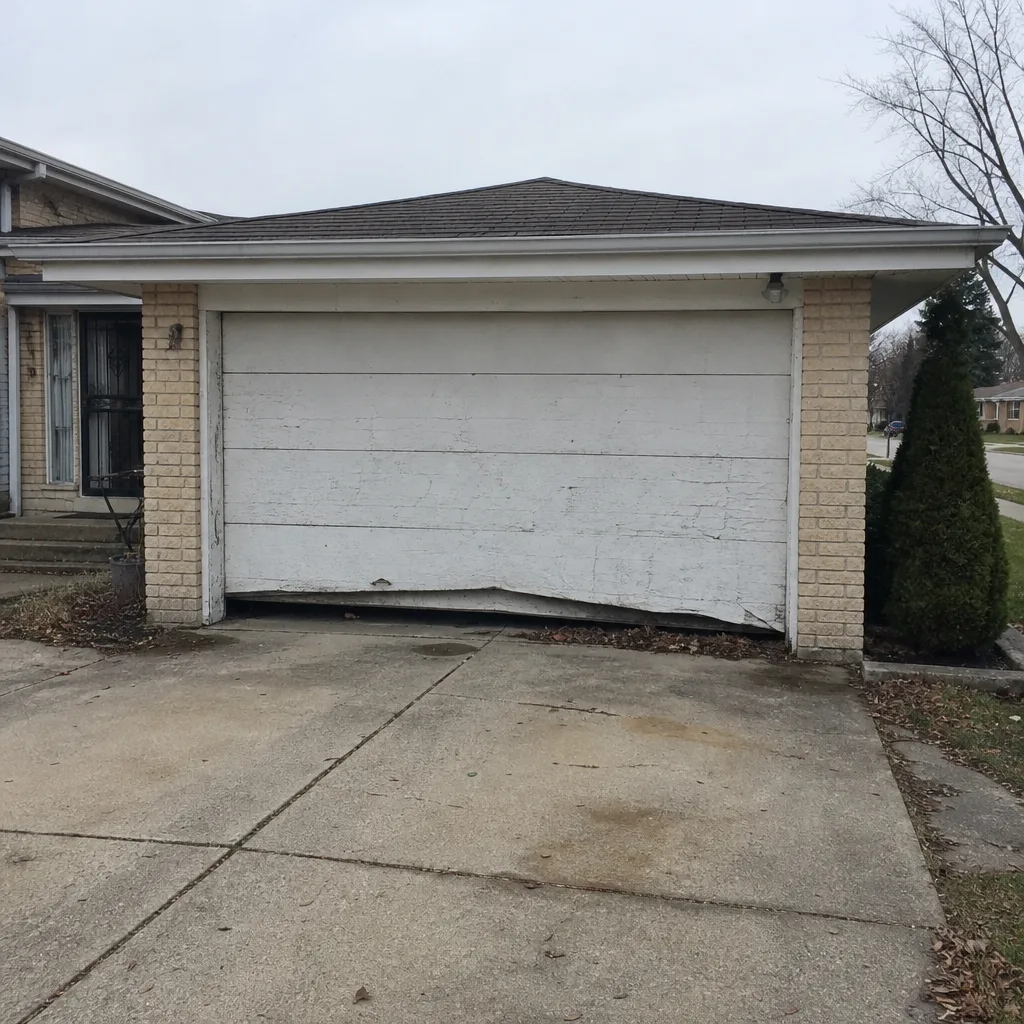
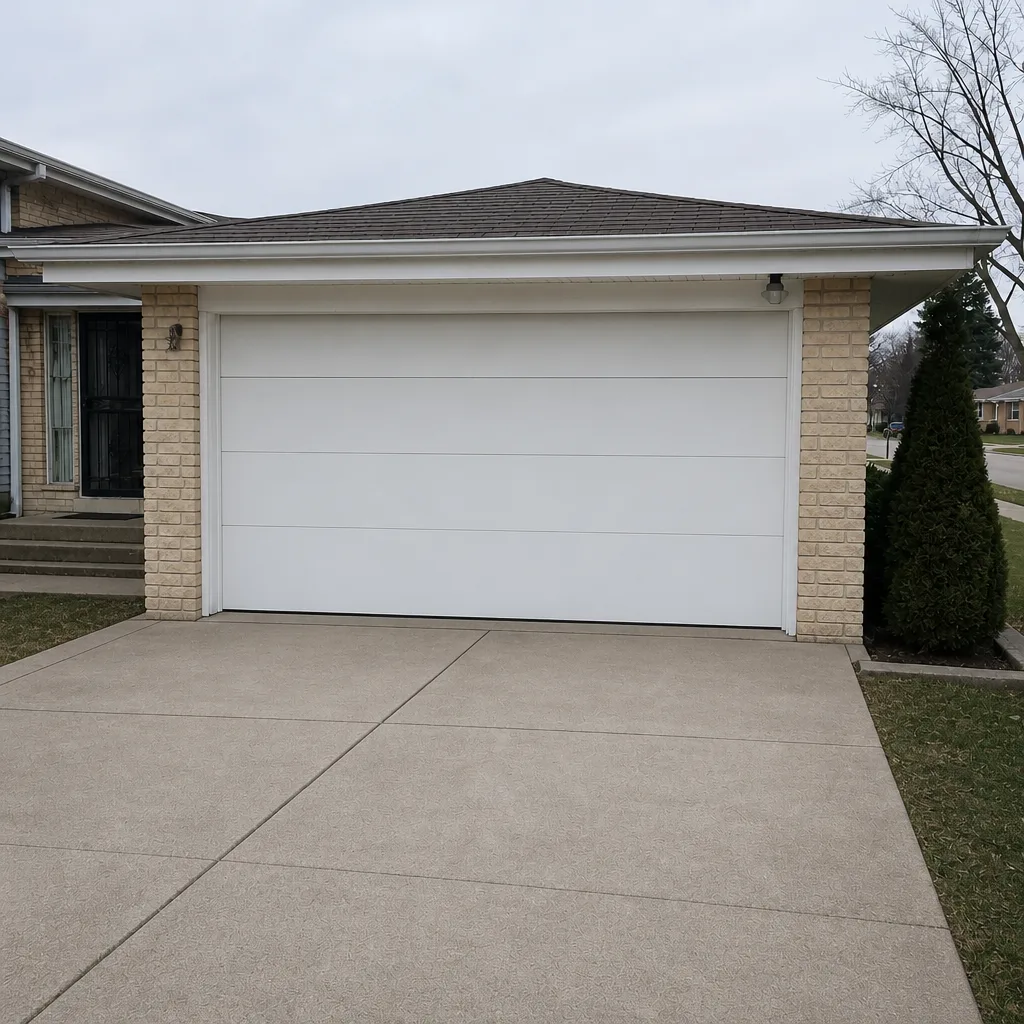
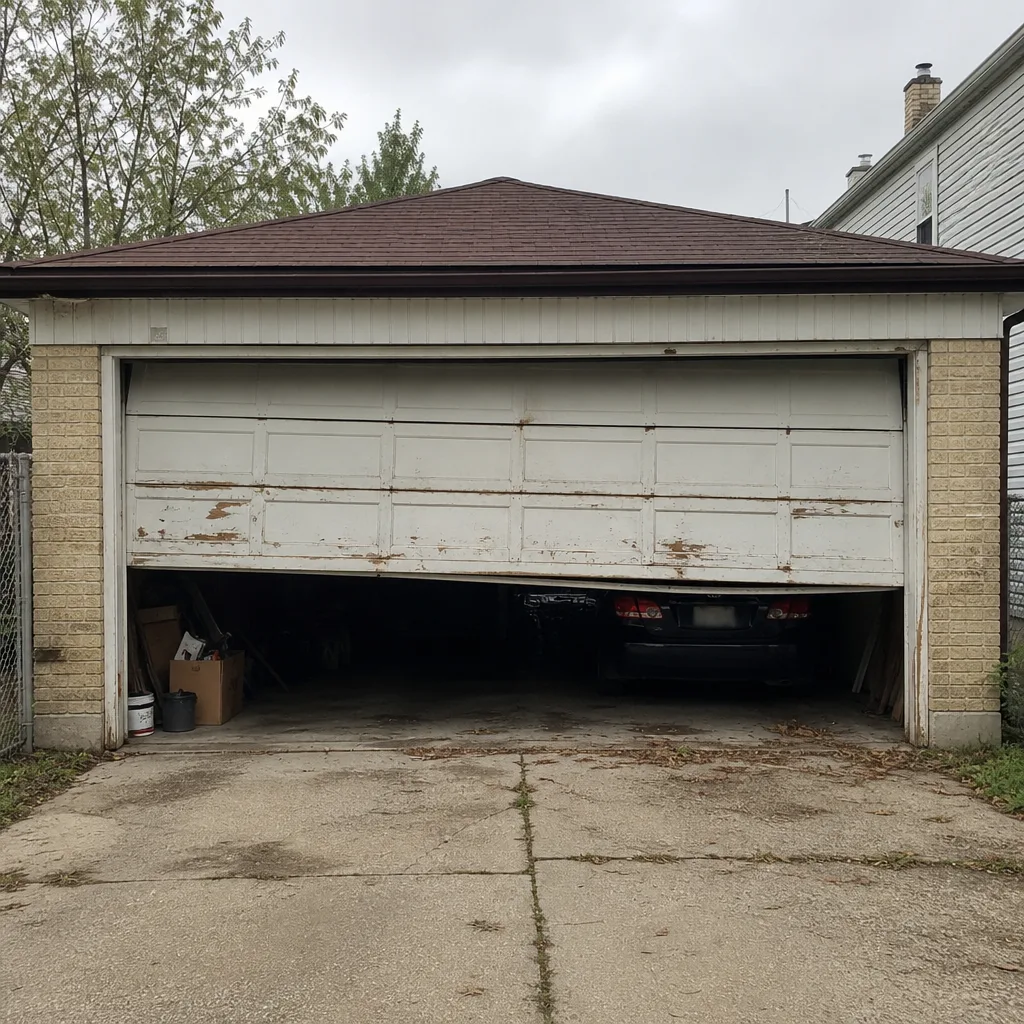
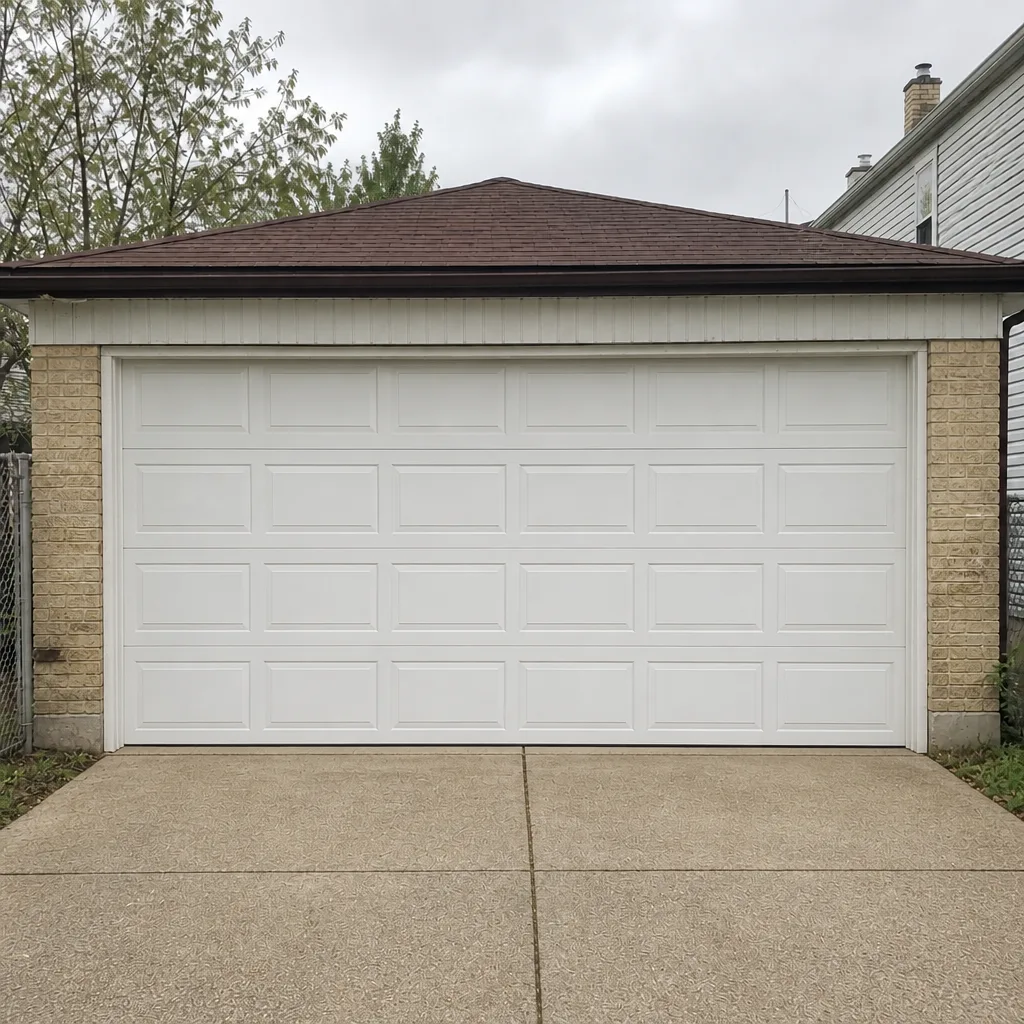
See the difference
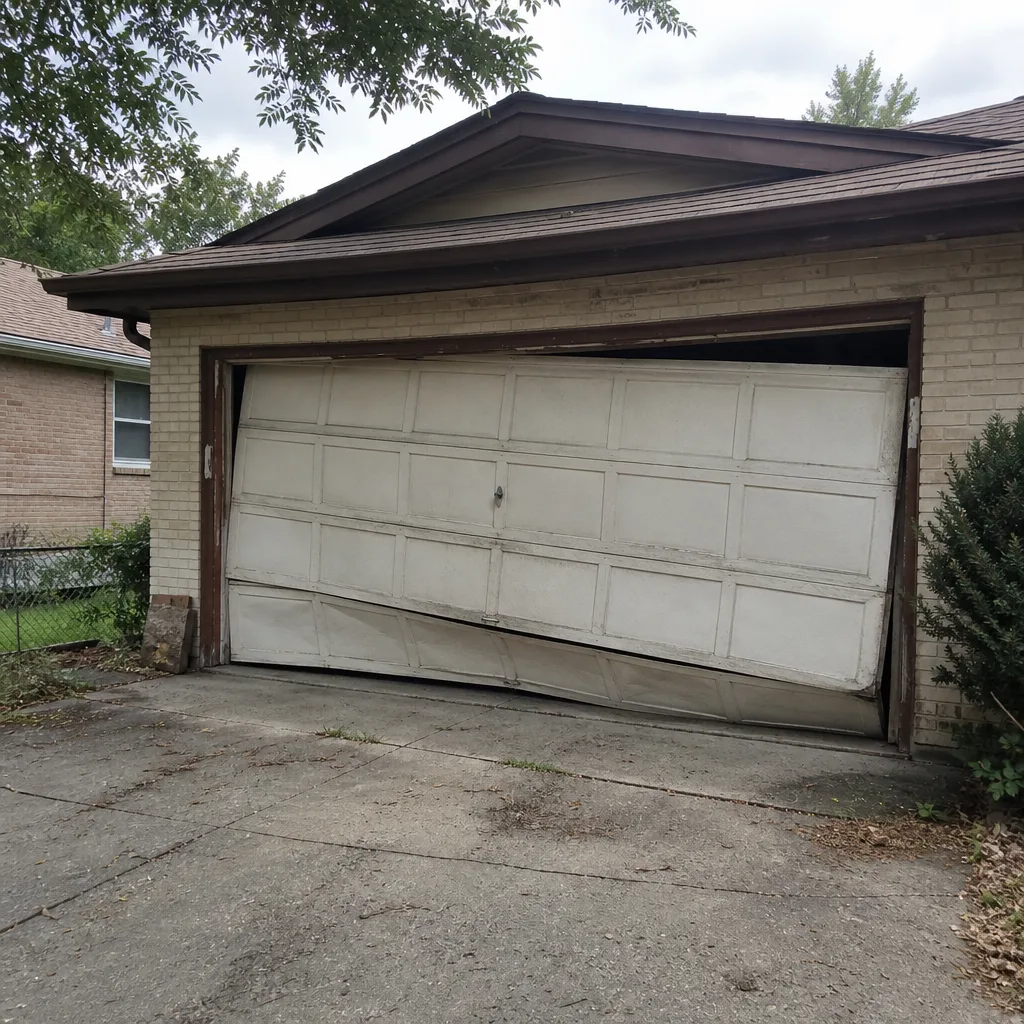 Before
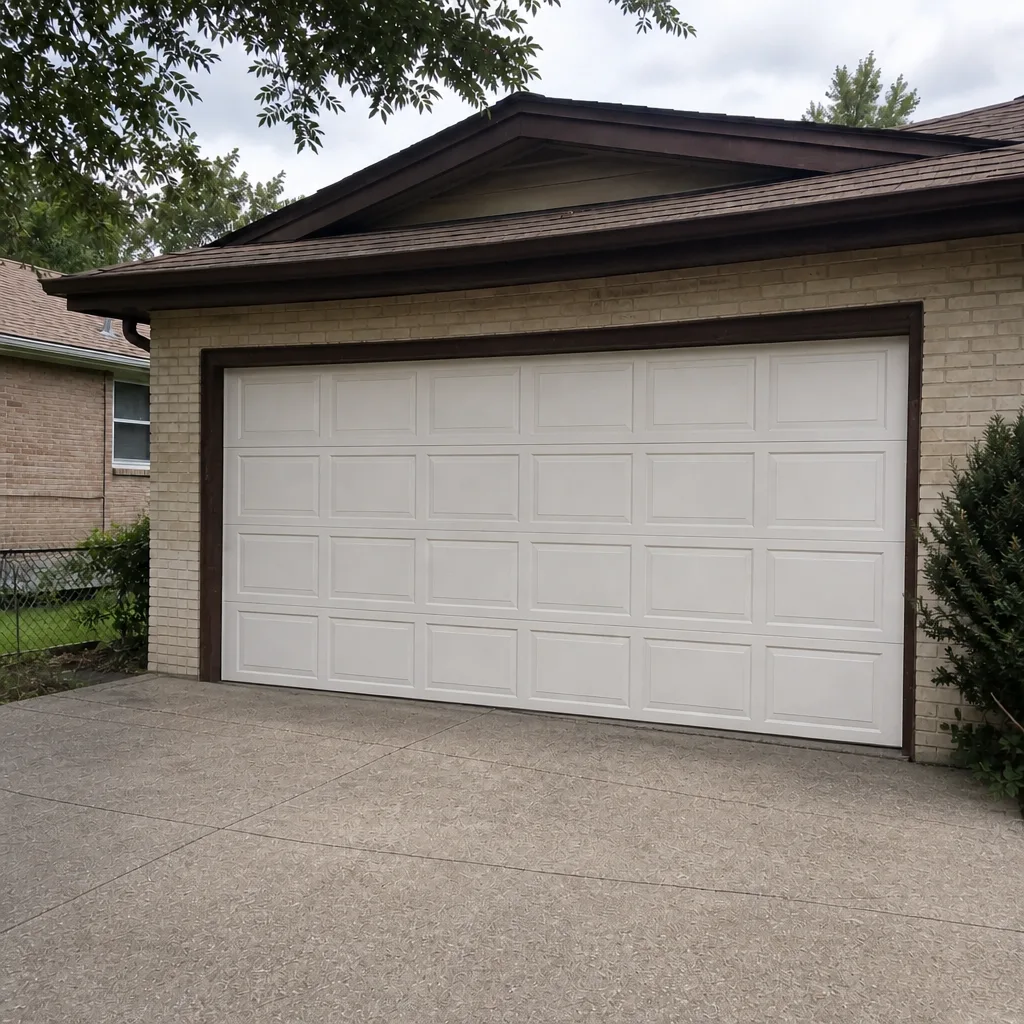 After
 Before
 After
 Before
 After
When to Call a Professional
Some garage door work is safe to handle yourself: replacing a battery in a remote, wiping down the track, or checking that the safety sensors are aligned. But call a technician when a spring is broken or the door won’t lift, when the door won’t close evenly or feels off its track, when the opener runs but the door doesn’t move, when you’ve got a falling door or a snapped cable, or when you’re planning a door replacement and need a real measurement before ordering. Our technicians have up to 8 years of experience and work on all of the brands we listed, so one call covers the diagnosis, the parts, and the installation. Garage Door Repair Norwood Park offers free estimates in Norwood Park. Call (844) 443-3746. We answer 24/7. Fast dispatch from 7am to 7pm, Sunday through Friday.
Frequently Asked Questions
Garage door repair in Norwood Park is priced per job by a written estimate, and the estimate is free. A simple spring repair is usually the smallest job on the list, an opener repair or cable replacement sits in the middle, and a door replacement is the largest. Because our written estimate is quoted and agreed before any work starts, you’ll know the price before a technician begins. Call (844) 443-3746 for an exact quote.
For repair calls, yes, same-day service is often possible. We answer the phone 24/7, and fast dispatch runs from 7am to 7pm, Sunday through Friday; we’re closed Saturday. If you call outside those hours, we book you into the next opening. Call (844) 443-3746 to check availability for today.
No. The written estimate is the price. If a technician finds an additional issue during the work, you’ll get an updated estimate before any extra work starts, and you can decline it. You are never billed for work you didn’t agree to first. Call (844) 443-3746 for a free estimate.
The local professionals we connect you with are licensed and insured as required by the State of Illinois. If you need the specifics for your job, ask when you call. Technician experience here runs up to 8 years. Call (844) 443-3746 to schedule an estimate.
Because most garages here are unheated, the door goes through repeated freeze-thaw cycles, which stresses the bottom seal, the panels, and the track. Cold also makes metal parts less forgiving: a door that closes fine in summer can bind in January. A pre-winter check catches most of this before it becomes a repair.
A like-for-like door replacement usually doesn’t need a permit, but changing the opening size, framing, or garage use does. Norwood Park is within Chicago, so call the city’s building department to confirm before your project starts. If you’re unsure which category your work falls into, it’s worth a quick call to verify.
The Bottom Line
Garage doors in Norwood Park are shaped by the housing stock here: narrow openings, limited headroom, and older framing that rewards careful measurement over quick guesses. Choose a material that survives Chicago freeze-thaw rather than the best-looking showroom option. Repair the aging system before you replace it unless the frame, track, or panels have actually moved. And when a spring breaks or the door won’t lift, stop using it and call a trained technician rather than reaching for a wrench. Match the opener to the door you actually have, address framing problems first, and verify permit questions with the city building department. If you’re not sure what your door needs, that’s what the free estimate is for.
Call (844) 443-3746 for a free estimate. We answer 24/7. Fast dispatch from 7am to 7pm, Sunday through Friday.
Written by the team at Garage Door Repair Norwood Park.