
Last updated November 21, 2026
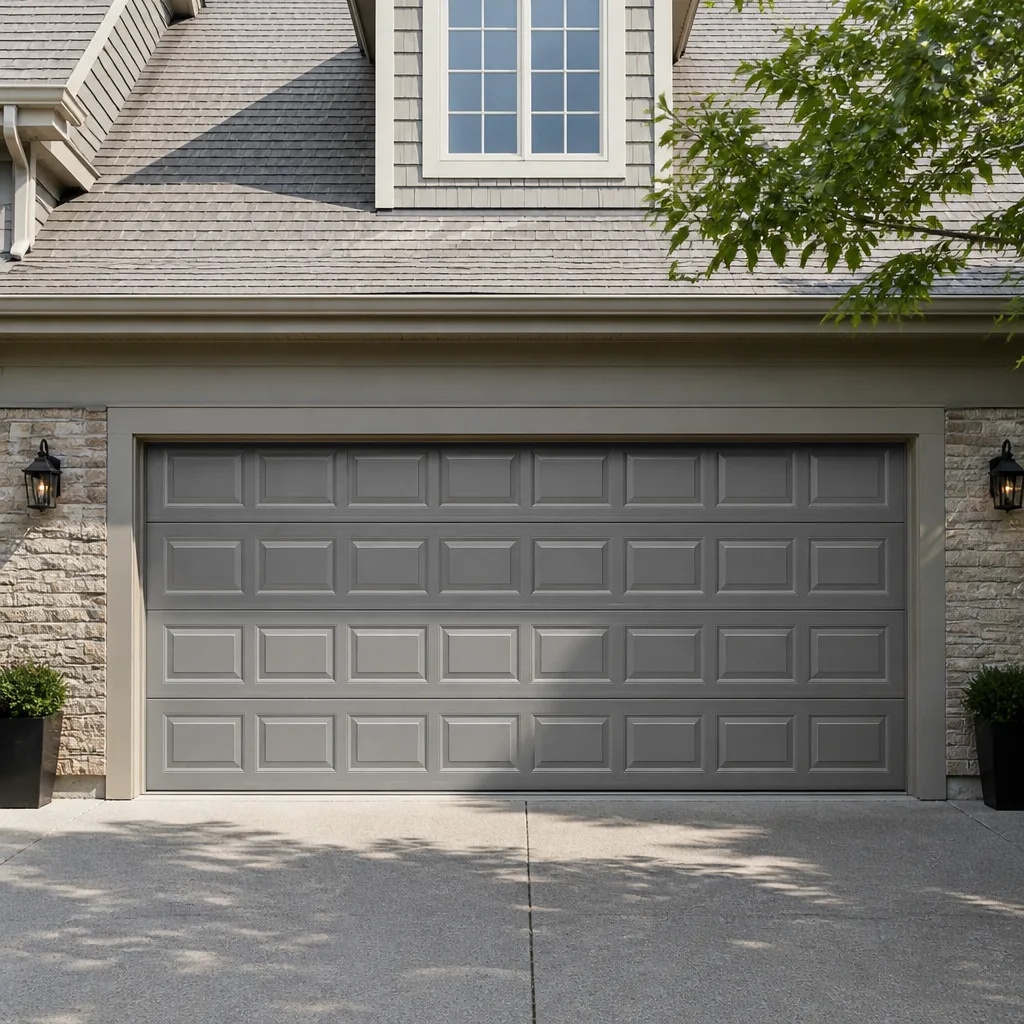 Raised-panel steel
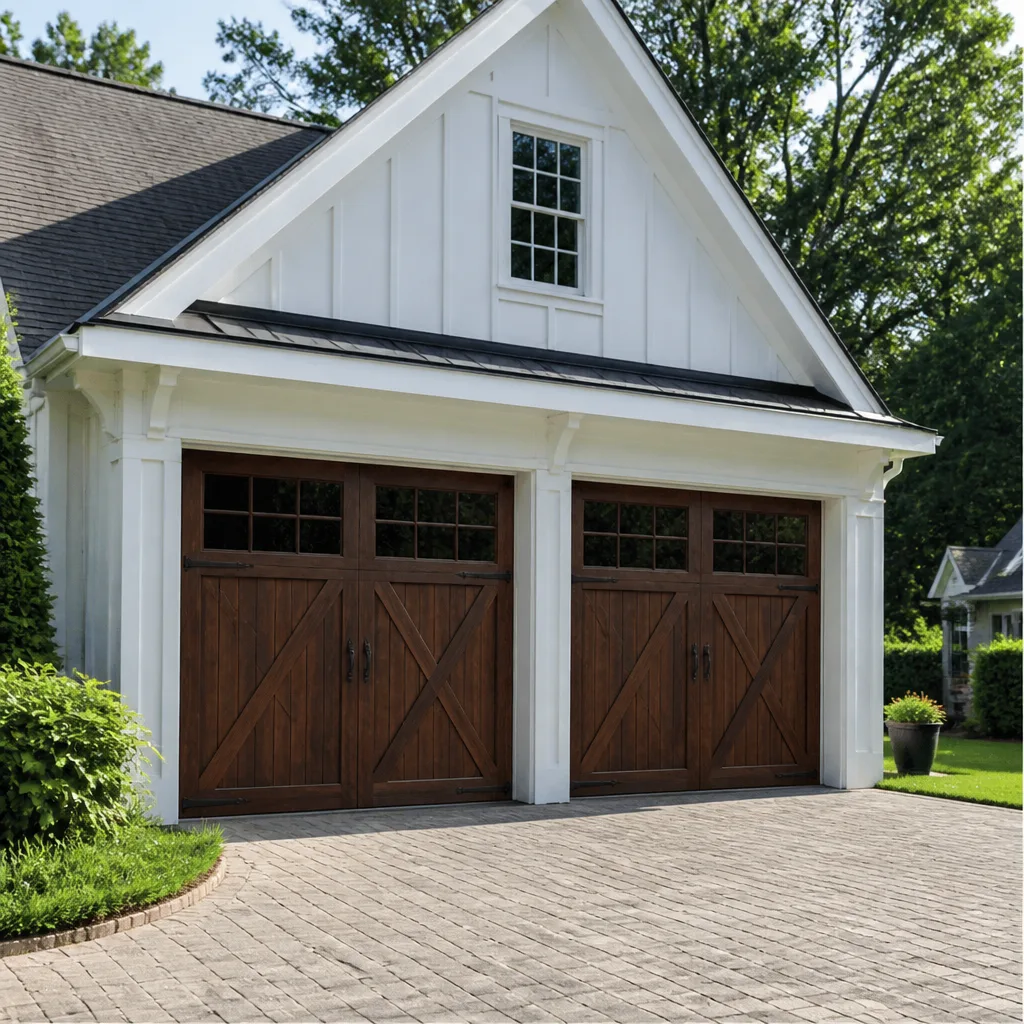 Carriage house
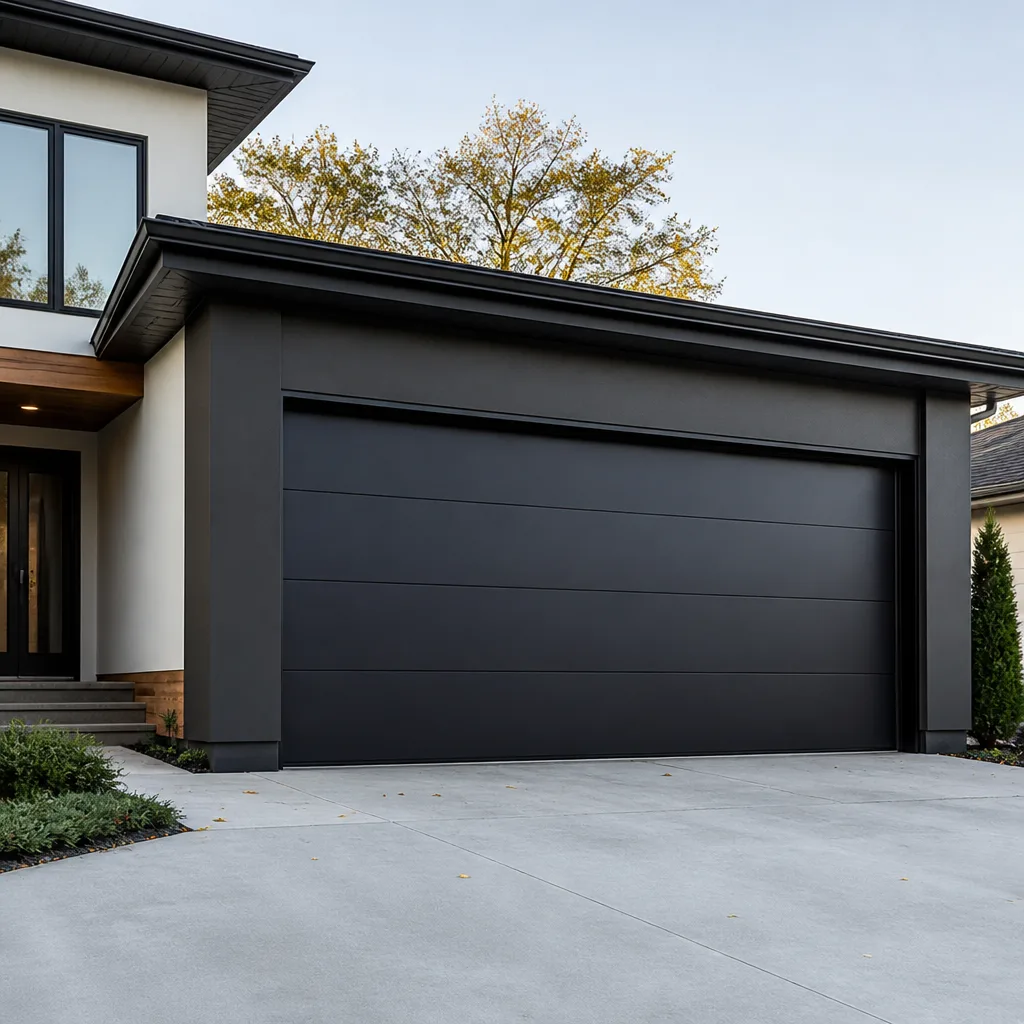 Modern flush
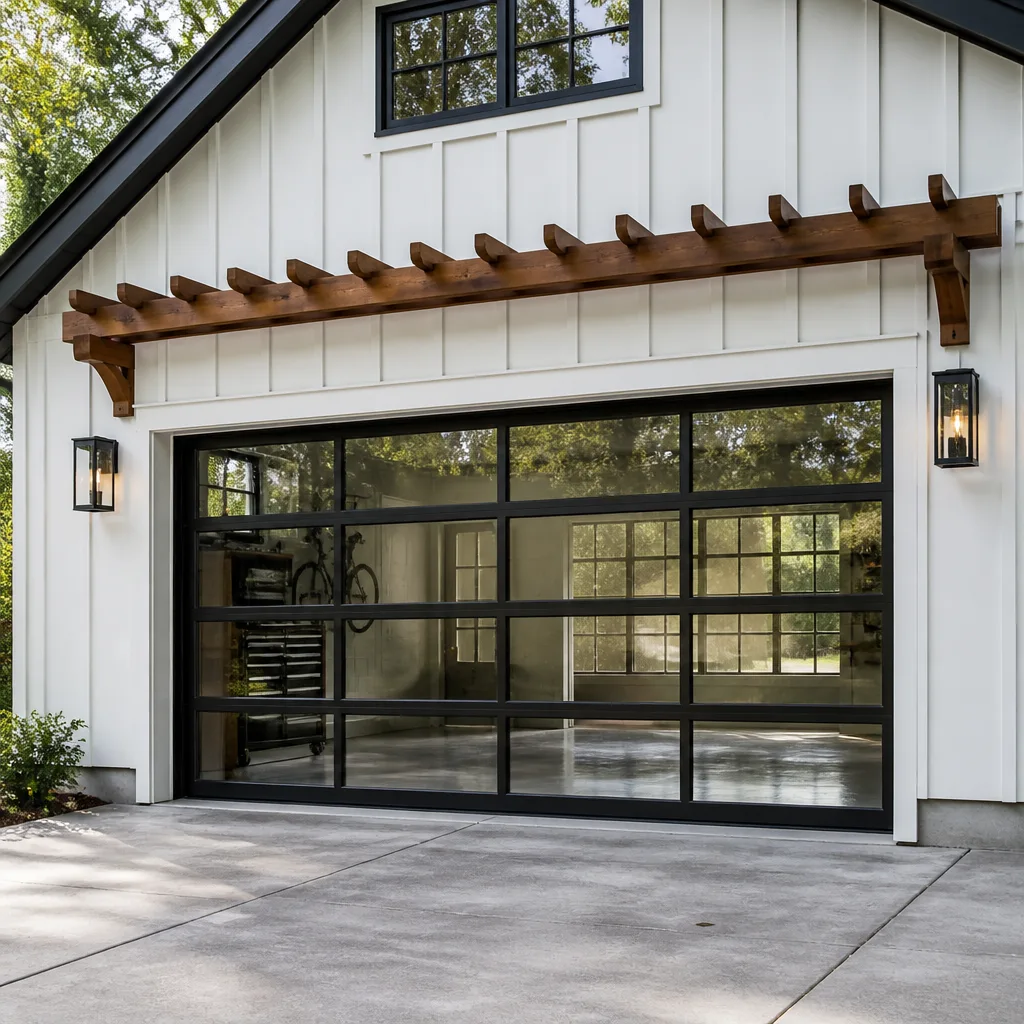 Full-view glass
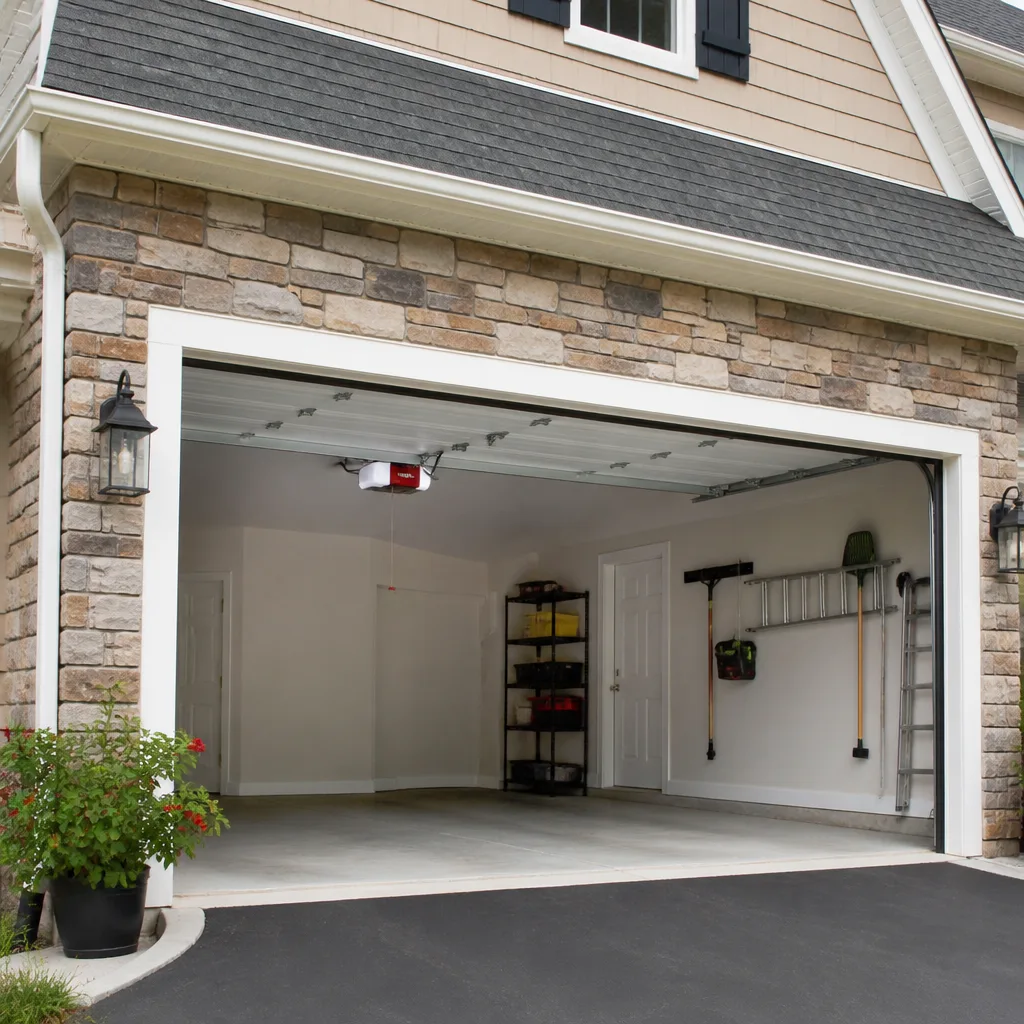 LiftMaster openers
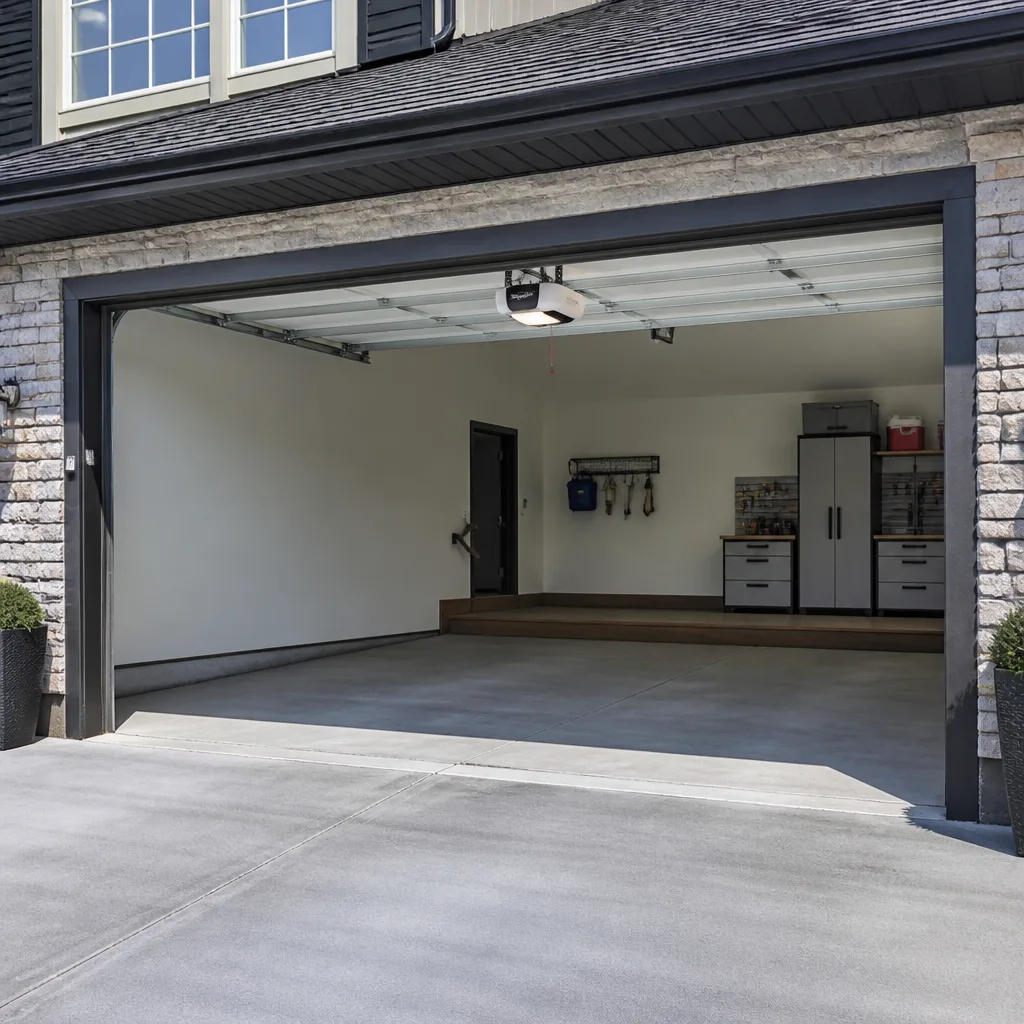 Chamberlain openers
Full 25-point door and opener safety check with every visit - springs, cables, rollers, tracks, and your LiftMaster or Chamberlain opener included
You get a price before we start. It does not change when the pro arrives.
Get your free estimateGarage Door Permits, Codes & Inspections in Norwood Park, IL: What You Need to Know
Most homeowners assume a permit only matters for new construction. A garage door is just a door, right? That assumption is where things go wrong. In Norwood Park, a door swap can be a permitted project or a simple like-for-like replacement depending on scope, and the difference has real consequences at resale. If a buyer’s inspector flags unpermitted work, the seller has to sort it out before closing, and the fix usually costs more than the door did. This guide walks through the threshold where a swap becomes a permitted project, what inspectors actually look for, what like-for-like means legally, and how to pull a permit yourself or have the contractor handle it. We’ll stay on the practical side of Norwood Park code and the realities of older attached garages across the Northwest Side.
Quick Answer
In Norwood Park, replacing a garage door with the same size, same material, and same fire rating generally does not require a permit, but a change in dimensions, a new opening, a structural change, or any work on an attached garage shared wall usually does. A permit is rarely issued without a plan review, so the safe move is to call the Chicago Department of Buildings or Cook County before the door is ordered. Inspections check the door’s rated assembly, mounting, and clearances, not the brand on the panel. If you’re not sure which side of the line your project falls on, ask before you buy. Getting the answer in writing takes ten minutes and saves weeks at closing.
Styles & brands we work with
- Raised-panel steel
- Carriage house
- Modern flush
- Full-view glass
- LiftMaster openers
- Chamberlain openers
Table of Contents
- When does a garage door project need a permit in Norwood Park?
- What does like-for-like replacement actually mean legally?
- What inspectors look for during a garage door inspection
- How fire-rated door rules apply to attached garages in Illinois
- Pulling the permit yourself vs. having the contractor do it
- How to prepare for inspection day and pass the first time
- Keeping records for resale in Norwood Park
- Common mistakes to avoid
When does a garage door project need a permit in Norwood Park?
A garage door replacement needs a permit in Norwood Park when the scope changes something the city considers structural, dimensional, or fire-related. Swapping a 9-foot door for a 9-foot door of the same type is usually permit-exempt. Widening the opening, adding a door where there wasn’t one, changing a solid door to a glazed one in a fire-rated wall, or altering the header or framing behind the opening almost always pulls the project into permitted territory.
The Chicago building code treats the residential garage as part of the structure, and any change to its envelope is reviewed. In practice, that means the first question a permit clerk will ask is what changes from the existing condition. If the answer is “nothing structural,” you’re typically on the exempt side. If the answer is “we’re changing the width” or “we’re cutting a new opening,” expect a plan review and an inspection at the end of the job.
A simple way to categorize your project:
- Permit-exempt: same-size door replacement, same material, same fire rating, no framing changes, no electrical work on the opener.
- Usually permitted: new opening, wider opening, conversion of a solid wall to a garage door, changes to the header, conversion of a garage to living space, or anything that affects the shared wall with a residence.
- Definitely permitted: structural alterations, changes that affect egress, new electrical circuits for openers, and any work touching the fire separation between an attached garage and the house.
Norwood Park has a lot of older homes along the Northwest Side where the garage was built long before today’s code was on the books. That history matters, because an inspector won’t ask you to bring an old garage into full current compliance, but they will ask you to keep whatever was compliant when it was built. If you’re replacing a door that’s been in place since before the Kennedy Expressway was finished, you’re usually fine staying like-for-like. For a broader look at what repair work involves when a door is failing, our guide to Garage Door Repair Norwood Park covers the common failure points and what to expect.
What does like-for-like replacement actually mean legally?
Like-for-like means the replacement matches the original in size, material, type, and function. That’s the definition clerks and inspectors work from, and it’s stricter than most homeowners expect. A door that looks the same to you can count as a change if it alters the material, the fire rating, or the opening it sits in. A steel door swapped for a steel door of the same dimensions with the same rating is a clean like-for-like. A steel door swapped for a wood door with different fire characteristics is not, even if the size is identical.
The definition has limits, and those limits are where most disputes start. Three to watch:
- Size drift. A door measuring three-quarters of an inch narrower than the original is common in older openings. That’s usually tolerated, but if the gap requires new framing, the project is no longer like-for-like.
- Material changes. Upgrading from wood to steel for durability is a popular move, but it changes the fire assembly, and that change can push a simple swap into a permitted project.
- Hardware and opener changes. Adding an opener to a door that never had one is electrical work, not a door replacement, and the electrical side may need its own review.
Brands like Clopay and Amarr make doors that fit older Norwood Park openings closely, which helps preserve like-for-like status. The trick is to measure carefully before ordering. If the door is a nonstandard size, a custom panel from Clopay or Wayne Dalton can keep the opening as-is, preserving the exemption. When the door is genuinely failing and the opening is fine, garage door repair often costs less than replacement and avoids the permit question entirely. When the door is beyond saving, garage door installation is the path, and that’s where like-for-like measurement matters most.
What inspectors look for during a garage door inspection
An inspector checks the garage door as a system, not a product. The door, its tracks, its springs, and its connection to the wall all have to work together, and the inspection confirms that they do. The most common findings are installation-related: a door mounted to framing that isn’t adequate for the weight, tracks out of plumb, or an opener without a proper disconnect.
Here’s what the inspection typically covers, in order:
- Mounting and framing. Is the door attached to solid framing, and are there enough fasteners? An inspector will look at the header and the jamb and check that the brackets are secured to structure, not just siding.
- Clearances and tracks. Tracks have to be level and parallel. Doors that bind or that hang visibly out of square get flagged.
- Springs and balance. The door has to balance properly and open by hand without excessive force. This is one reason spring work is not a do-it-yourself job; high-tension springs and cables can cause serious injury if someone without training puts their hands on them. Leave that work to a trained professional.
- Opener safety. The opener needs a working automatic reverse and, for newer openers, a photo-eye at the floor. Missing or misaligned photo-eyes are a common fail point.
- Fire-rated assembly. For attached garages, the door and the wall between the garage and the house have to maintain the rated assembly. An inspector will look at the door’s label, the framing around the opening, and any penetrations.
Norwood Park inspectors carry a checklist for each of these, and they’ll often ask to see the door operate from the opener and by hand. In our experience, jobs that fail do so because the door wasn’t adjusted after installation, not because the door was wrong. A door that works smoothly by hand and closes flush is most of the way to passing. Opener issues are another common delay point, and a garage door opener repair before the inspection can head off a fail. Genie and LiftMaster openers both have automatic reverse functions that inspectors check, so it’s worth confirming they’re set correctly before the appointment.
How fire-rated door rules apply to attached garages in Illinois
An attached garage in Norwood Park is held to a fire separation standard because it shares a wall with a place where people sleep. The wall, the door in that wall, and the ceiling all have to resist the spread of fire from the garage for a set period, and the door has to be self-closing and self-latching. That’s the general principle, and it’s why swapping a fire-rated door for a standard one is treated as a safety change, not a cosmetic one.
The Illinois residential code sets expectations for the separation, but the details come from the city and county adopting them, so the answer for Norwood Park is to confirm the rating with the Department of Buildings before you order a door. The door will have a label indicating its rating. If your existing door has that label and your replacement doesn’t, an inspector will catch it. That’s not a reason to avoid the project; it’s a reason to specify the right door from the start.
Attached garages are the focus, but detached garages are not entirely off the hook. A detached garage in Norwood Park that sits close to the property line may still be reviewed for fire exposure, and the inspector may ask about the door’s rating if the structure is near a neighboring building. The general rule: if the garage shares a wall with the house, treat the door as a fire assembly and spec it that way. If it’s detached and clear of the property line, the same door without a rating is usually fine, though the city has the final word.
Door selection matters here. Amarr and Wayne Dalton both make doors with fire-rated options, and Clopay does as well. Specifying the rated version isn’t much more expensive than specifying the standard, and it keeps the project on the simple side of the permit line. If you’re not sure what’s currently on your door, look for a label on the inside face or on the jamb; the label often tells you the assembly and the manufacturer.
Pulling the permit yourself vs. having the contractor do it
You can pull a garage door permit yourself in Norwood Park. The city allows homeowners to file for permits on their own property, and the process is straightforward: submit the application, provide the scope and drawings, pay the fee, and schedule the inspection. What you cannot do is perform work that requires a licensed trade, and electrical work for an opener falls in that category in most cases.
The arguments for pulling it yourself are cost control and full visibility of the process. The arguments against are time and liability. A homeowner who files has to be available for the inspection, which means taking time off work. And if the inspector finds an issue, the homeowner is on the record as the responsible party, even if a contractor did the installation. That’s a real difference when it comes to resale, because the permit record names who pulled it.
Some contractors avoid permits for garage door work, and the reasons vary. Some view like-for-like replacements as exempt and don’t want the delay. Others don’t have the licensing in place for the electrical side and don’t want to bring in a second trade. When you interview a contractor in Norwood Park, ask directly: “Will you pull the permit if this project needs one, and who is the named applicant?” If the answer is vague, that’s information. A specialist who works on doors all day should have a clear answer, and should be able to explain why they think the project is or isn’t permitted.
Having the contractor pull the permit puts the inspection responsibility on them, which is usually the better arrangement when the scope is ambiguous. The permit is issued to the contractor, the inspection is scheduled by the contractor, and the sign-off is attached to the property record. You’ll still want a copy for your files. The best time to settle who pulls the permit is before the door is ordered, not the day before installation.
How to prepare for inspection day and pass the first time
Inspection day is a scheduling problem more than a technical one. The door has to be installed, the opener connected, and the site clear, and someone has to be there to meet the inspector. Preparation usually takes less than an hour, and it saves a second appointment.
- Operate the door before the inspector arrives. Run it up and down from the opener, then by hand. Listen for scraping, watch for binding, and check that it closes flush. Small adjustments now avoid a fail on the record.
- Test the safety reverse. Put a piece of wood or a roll of paper under the door and confirm it reverses. Check the photo-eye alignment at the floor. If either fails, the opener manufacturer’s manual will tell you how to adjust it, or the installing technician can reset it.
- Clear the area. The inspector needs to see the tracks, the springs, the opener, and the connection to the wall. Boxes and stored items in the garage slow the inspection and sometimes hide a problem.
- Have the paperwork ready. Permit, approved drawings, and product documentation for the door and the opener. If the door has a fire label, make sure it’s visible.
- Confirm the appointment window. The city will give you a day, and usually a window. Plan to be home for the whole window rather than trying to duck out and come back.
Most garage door inspections in Norwood Park pass on the first visit when the installation was done by someone who does this work routinely. The common fail points are adjustment issues and documentation, not structural problems. If a fail does happen, the fix is usually small, and the re-inspection is scheduled after the adjustment. The key is to correct it promptly and keep the paper trail intact. A door that closes smoothly by hand and reverses on command is doing what the inspector came to see.
Keeping records for resale in Norwood Park
The permit record is part of your house file, and it matters at resale. A buyer’s inspector will look at the garage door and ask whether the work was permitted if it looks newer than the rest of the garage. If you have the permit, the inspection sign-off, and the product documentation, the answer is a document rather than a conversation. If you don’t, the buyer’s inspector might flag it as unpermitted, and the closing can be delayed while that gets sorted out.
What to keep:
- The permit application and the issued permit.
- The inspection report and sign-off with the date.
- The door’s spec sheet and fire label photo.
- The opener manual and the installation receipt.
- The contractor’s written estimate and invoice, showing the scope of work.
Keep the file with the rest of your home records, and hand it over at closing. A simple folder with the permit and the sign-off answers almost every question a buyer’s inspector is likely to raise about the garage door. If you replaced a door without a permit because it was a like-for-like replacement, note that in the file. A one-line explanation, with the door’s dimensions and the date of work, is enough to show that the project fell on the exempt side and there was no permit to pull. That note, combined with the door’s documentation, is the cheapest insurance against a closing delay. For more on how the door system works as a whole, see our garage door opener repair page, which covers the electrical and safety side that inspectors check.
Common Mistakes to Avoid
- Assuming any door swap is exempt. A swap is exempt only when the size, material, and rating all match. If any of the three changes, call the city before you order the door.
- Ordering before measuring against the old frame. Older Norwood Park openings are rarely square, and a door ordered to the nominal size can end up needing framing changes. That changes the permit question after the fact, which is the worst time.
- Skipping the fire label on an attached garage. The label is what the inspector looks for. If your new door doesn’t have one and the old door did, you’ve downgraded a rated assembly and the inspection will reflect that.
- Letting the contractor talk you out of a permit without a clear reason. “We never pull for door swaps” is not an answer. Ask why this specific project is exempt, and get the reasoning in writing on the estimate.
- Scheduling the inspection before the opener is set up. The safety reverse and photo-eye are inspection items. Test them before the inspector arrives, not after.
- Forgetting to keep the sign-off. The permit means little at resale if you can’t show that the inspection passed. Keep the paper copy, not just the digital file.
- Touching the springs while prepping for inspection. High-tension springs and cables can cause serious injury. If the door isn’t balanced or the spring looks wrong, don’t adjust it yourself; have a trained technician handle it.
See the difference
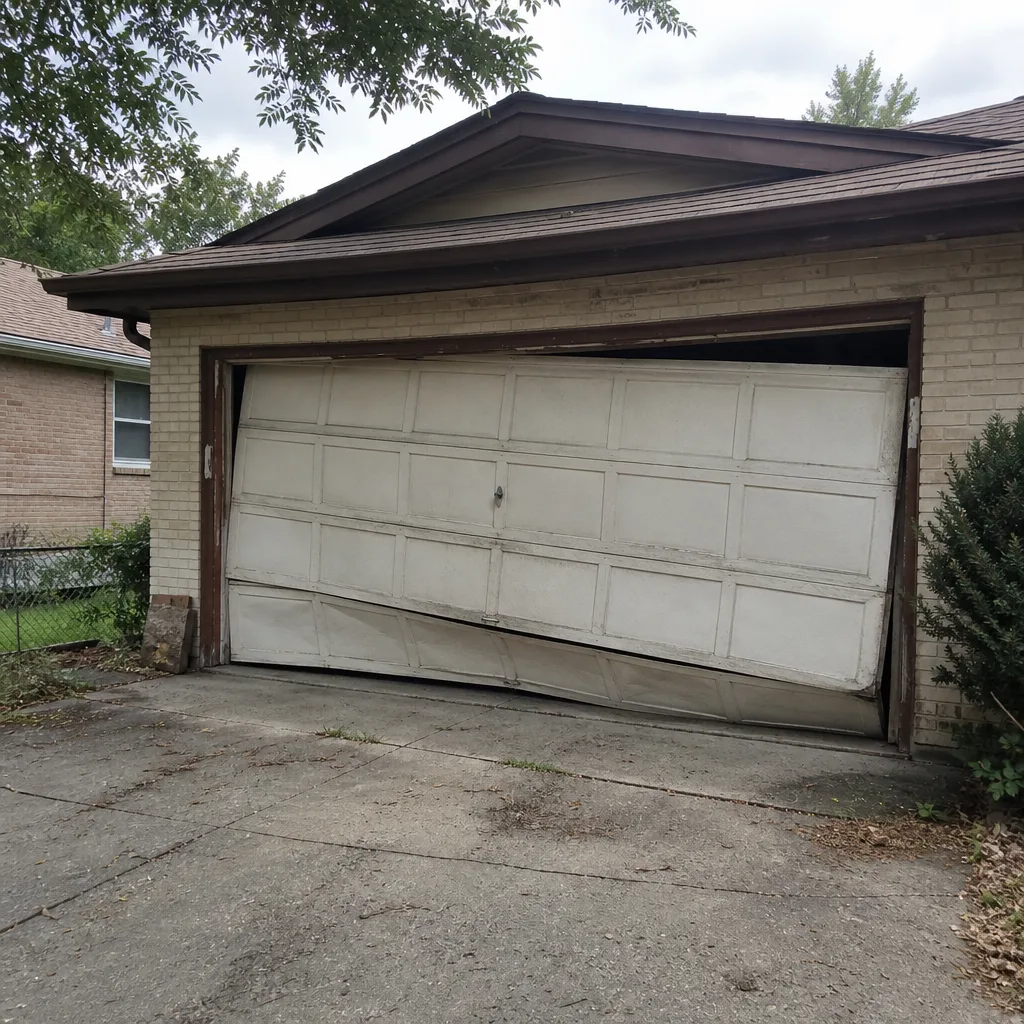 Before
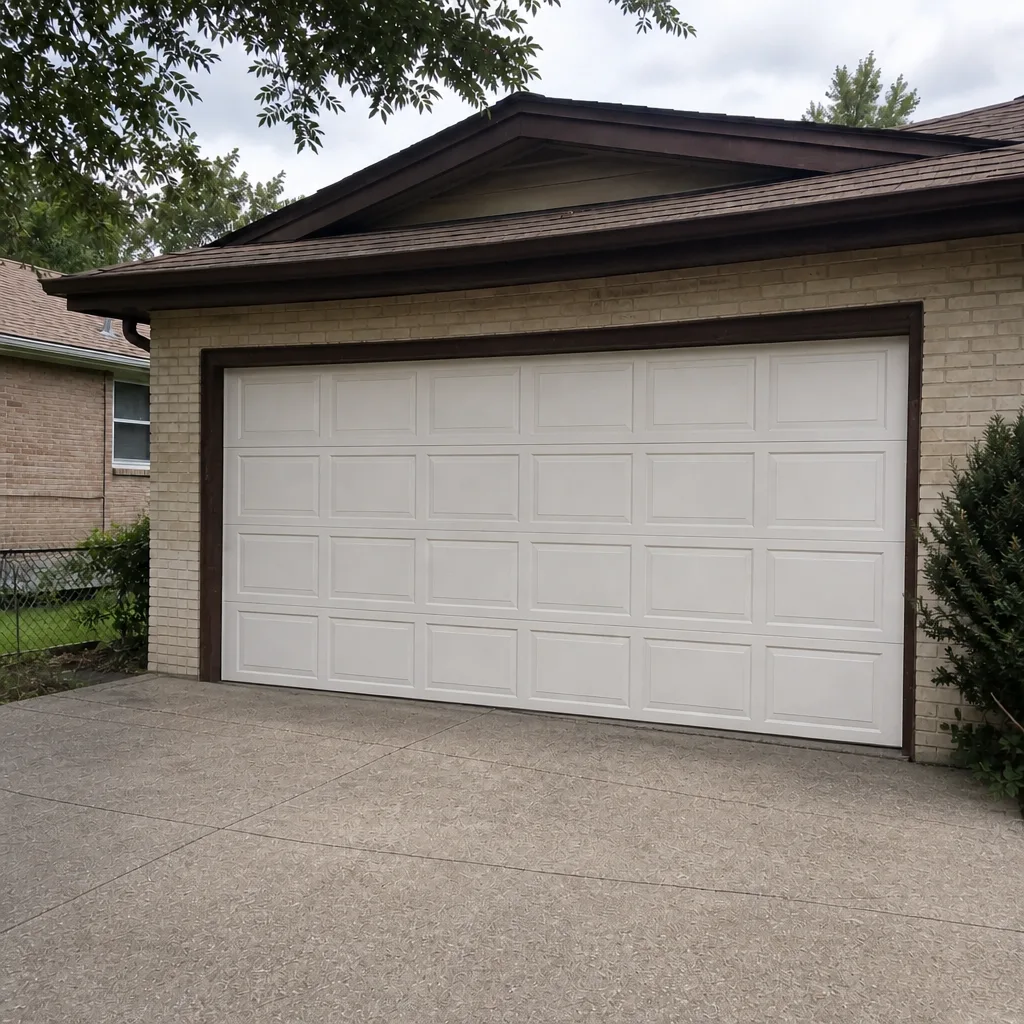 After
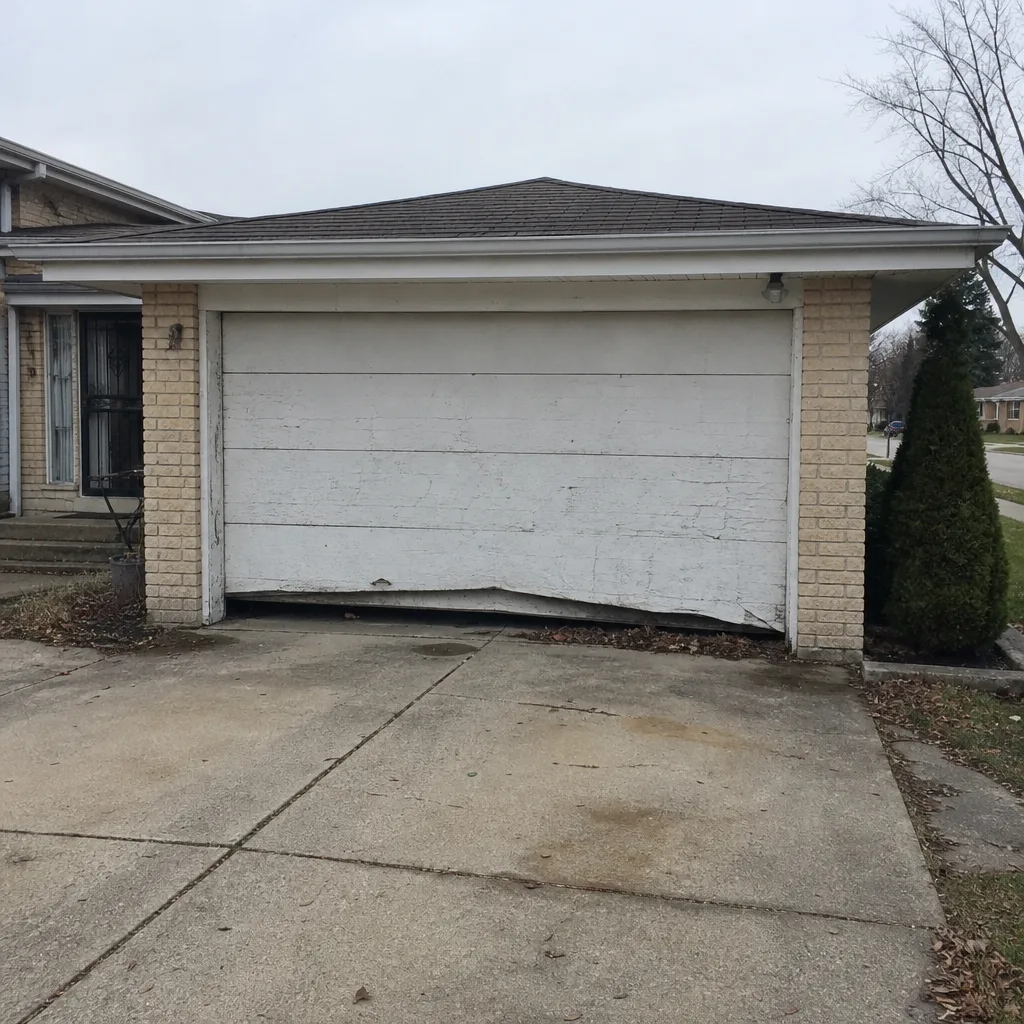 Before
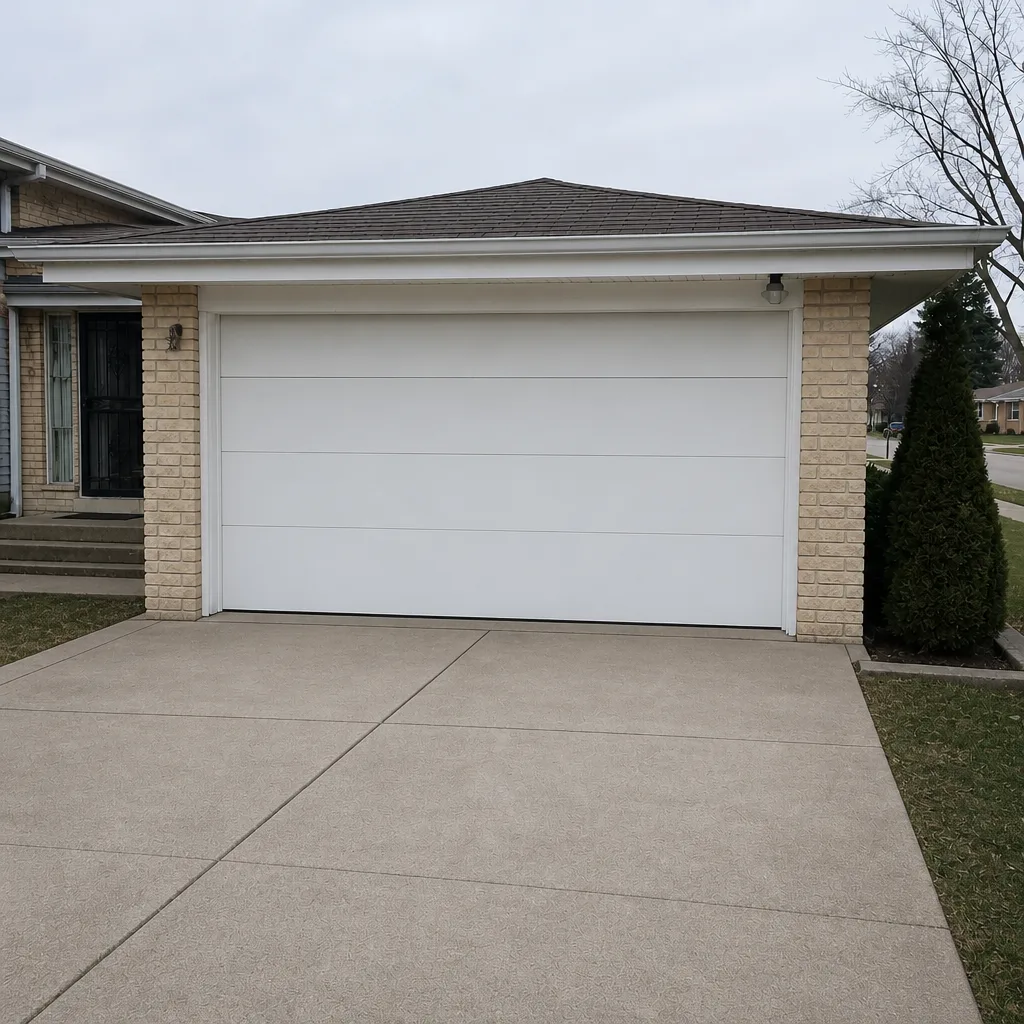 After
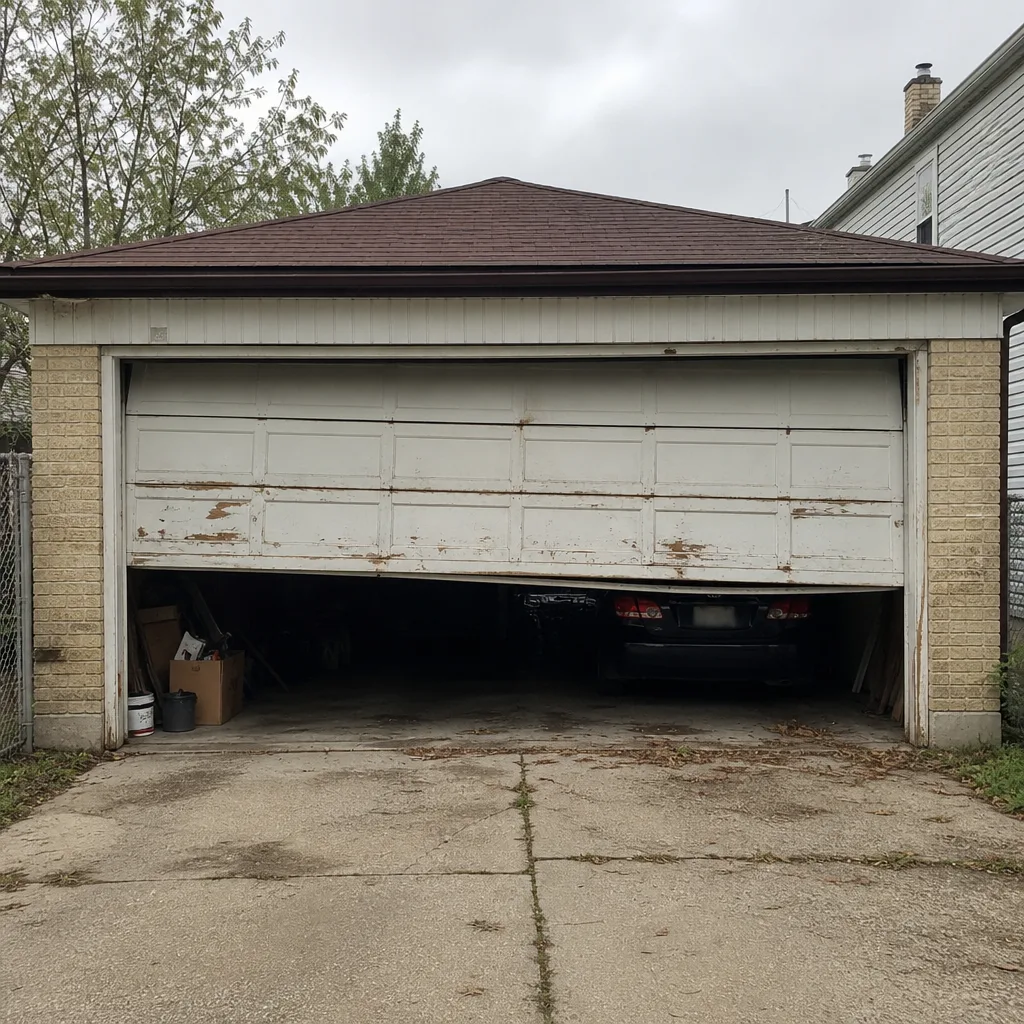 Before
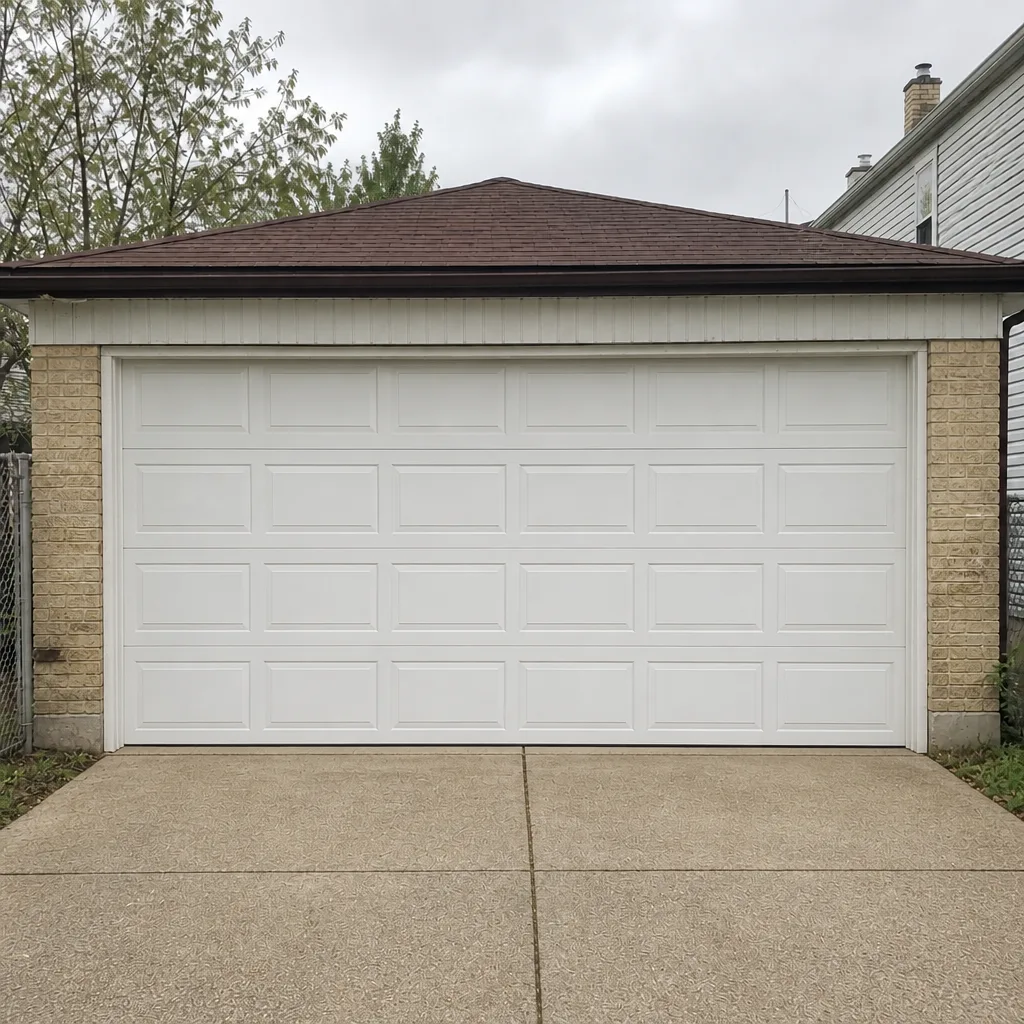 After
When to Call a Professional
Call a professional when the permit question is ambiguous, when the door isn’t balancing or closing properly, when the opener’s safety reverse fails, or when the scope involves anything structural. The same goes for attached-garage work, where the fire separation matters, and for any project where the door’s size or material is changing. Garage Door Repair Norwood Park offers free estimates in Norwood Park, and our technicians have up to 8 years of experience with the brands you already own, including Clopay and Amarr. We work on LiftMaster, Chamberlain, Genie, Craftsman, Clopay, Amarr, Wayne Dalton, and Raynor, so parts aren’t a scavenger hunt. One call covers repair, opener work, parts, and installation. Call (844) 443-3746. We answer 24/7. Fast dispatch from 7am to 7pm, Sunday through Friday.
Frequently Asked Questions
Usually not, if the replacement is like-for-like in size, material, and fire rating with no framing changes. If you’re widening the opening, adding a new door, changing the material, or working on the shared wall of an attached garage, the project often needs a permit. The city has the final word, so confirm your specific scope with the Department of Buildings before ordering the door. Call (844) 443-3746 for a free estimate and we’ll talk through your project.
Like-for-like means the new door matches the original in size, material, type, and function, with no structural changes. It stops when any of those four change: a different material, a different rating, a different opening width, or new framing. A steel door for a steel door of the same size is a clean like-for-like. A steel door for a wood door, or a wider door in the same opening, is not. When in doubt, call (844) 443-3746. Estimates are free.
Inspectors check the mounting and framing, track alignment, spring balance, opener safety reverse and photo-eye, and the fire-rated assembly for attached garages. They’ll operate the door from the opener and by hand, and they’ll look for the door’s label if it’s a rated assembly. Missing photo-eyes and doors that bind are the most common fails. If your opener isn’t working right, our garage door opener repair service can sort it before inspection day. Call (844) 443-3746.
Yes. Norwood Park homeowners can file for permits on their own property by submitting the application, the scope, and the drawings, paying the fee, and scheduling the inspection. What you can’t do is perform licensed trade work yourself, and electrical work for an opener is usually in that category. If the scope is ambiguous, having the contractor pull the permit puts the inspection responsibility on them. Call (844) 443-3746 if you want to walk through your project first.
Repair work and permit work are separate tracks. A spring or opener repair doesn’t need a permit, so it can proceed while a pending door replacement works through review. That’s useful when a door is failing and you’re waiting on the city for a larger scope. Call (844) 443-3746 and we’ll tell you which track your job falls on before anything begins. Estimates are free and the price is quoted before work starts.
No. The written estimate sets the price, and the price is quoted and agreed before any work starts. If something unexpected turns up during the job, we’ll stop and talk it through with you before continuing. That’s the same whether the project needs a permit or not. Call (844) 443-3746 for an exact quote. Estimates are free.
The Bottom Line
Garage door permits in Norwood Park come down to scope. A like-for-like replacement usually doesn’t need one, but a change in size, material, rating, or structure pulls the project into the permitted side. Fire-rated doors on attached garages get extra attention at inspection, and the fire label is the first thing to check. Keep the permit, the sign-off, and the product documentation together for resale. If a contractor waves off the permit question, ask why, and get the reasoning in writing. And leave the springs to a trained professional; that part of the work is genuinely dangerous. For most homeowners, the answer is a free estimate and a written price before anything gets ordered. Call (844) 443-3746. We answer 24/7. Fast dispatch from 7am to 7pm, Sunday through Friday.
Written by the team at Garage Door Repair Norwood Park.