
Last updated November 21, 2026
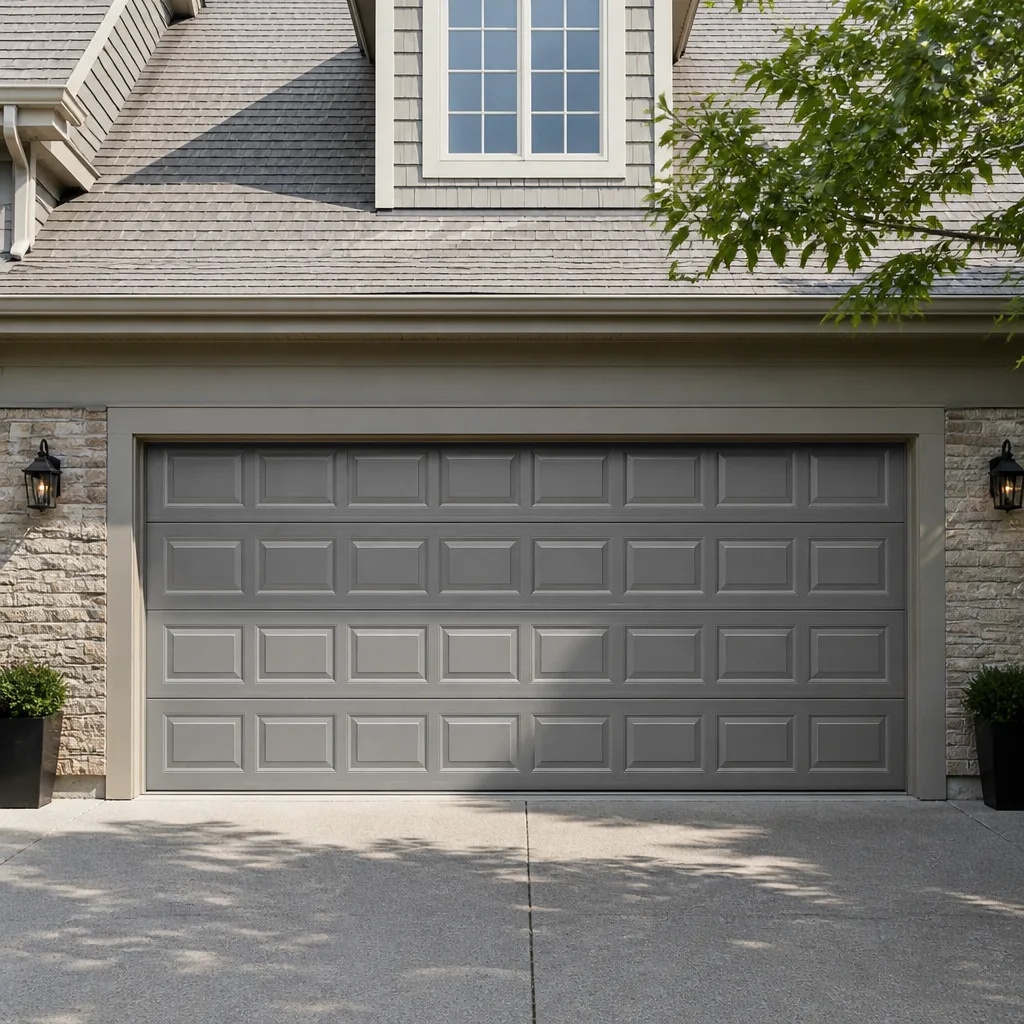 Raised-panel steel
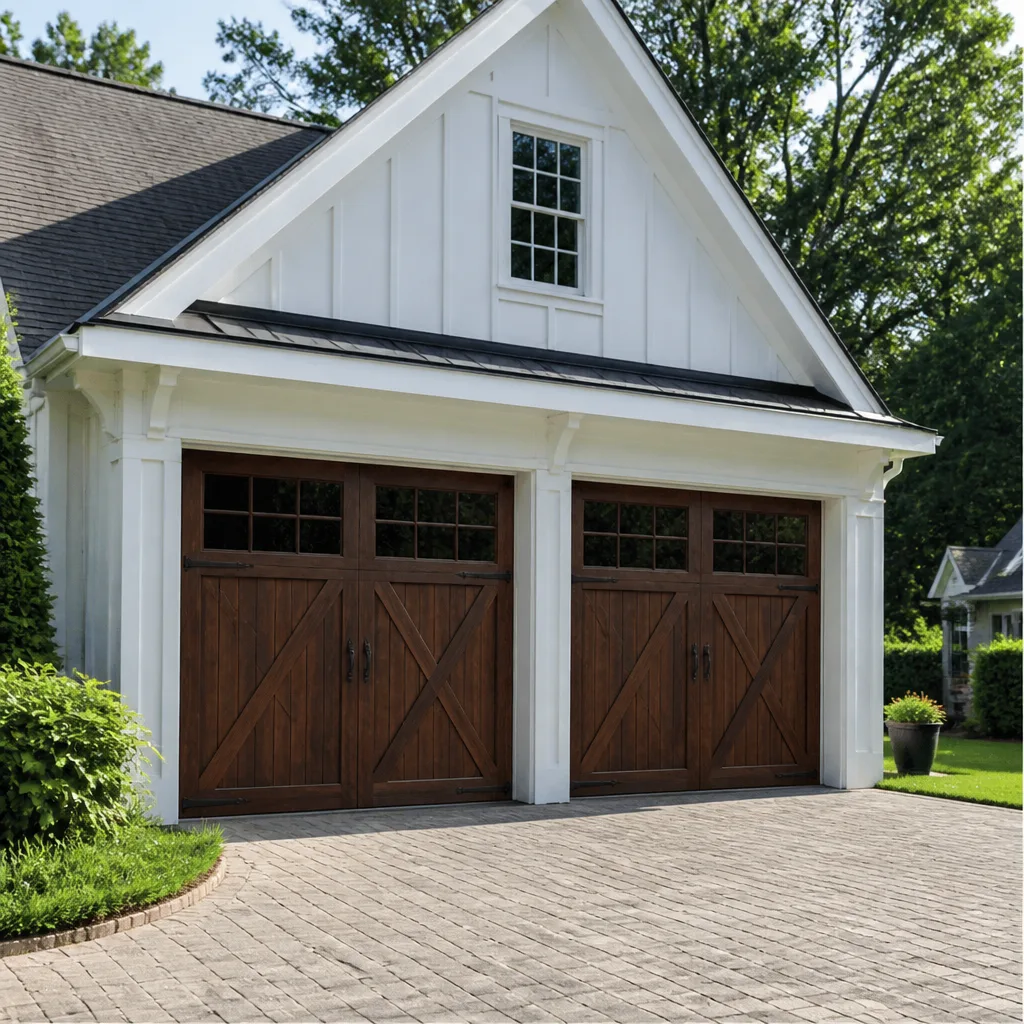 Carriage house
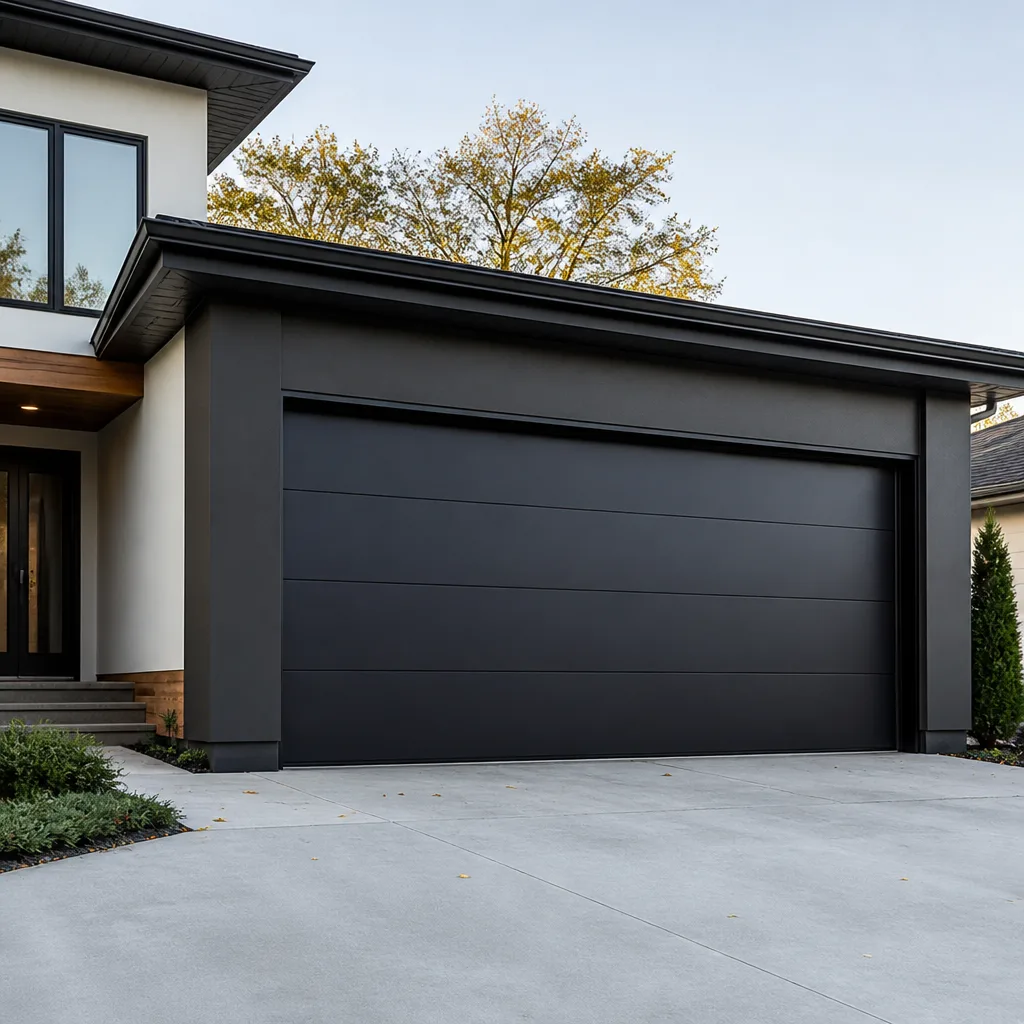 Modern flush
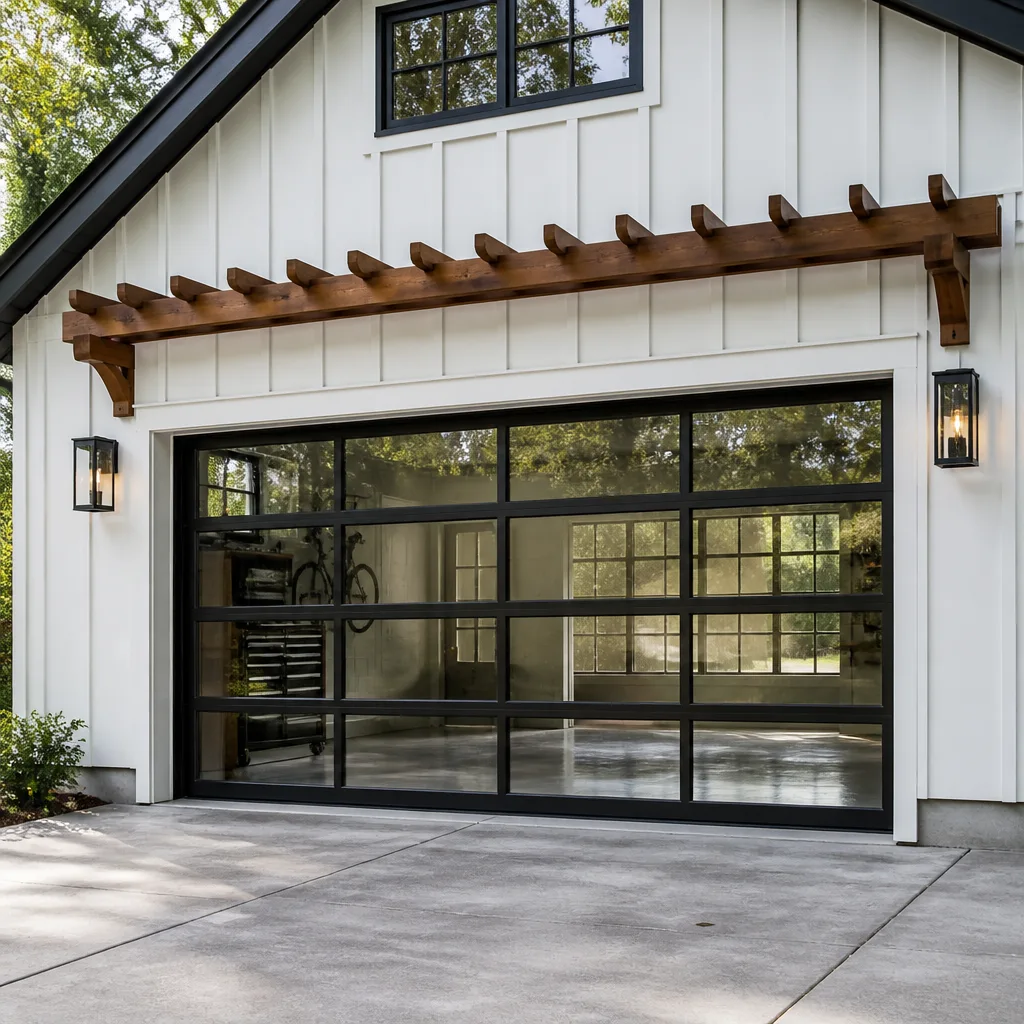 Full-view glass
 LiftMaster openers
 Chamberlain openers
Full 25-point door and opener safety check with every visit - springs, cables, rollers, tracks, and your LiftMaster or Chamberlain opener included
You get a price before we start. It does not change when the pro arrives.
Get your free estimateGarage Door Warning Signs: A Norwood Park Homeowner’s Reference Guide
A garage door rarely fails without warning. Almost every urgent call we handle starts the same way: the homeowner mentions the door had been making a noise for a few weeks, or that it had been lifting a little crooked for a while, and nobody thought much of it. That’s the trap. Garage doors speak loudly before they break, and the signs are usually visible or audible for weeks. This guide decodes the specific sounds, movements and visual cues that tell you what’s wrong with your door in Norwood Park, ranked by how urgent each one is, so you know what to fix today and what to keep an eye on.
Quick Answer
The main warning signs of a failing garage door are unusual noises (grinding, squealing, popping, rattling), visible rust or fraying on springs and cables, and movement problems like sagging, jerking or an uneven lift. Some of these are maintenance items you can watch; others mean the door is unsafe to operate and needs a professional the same day. If a spring is broken, a cable is frayed, or the door jerks or drops, stop using it and call a trained technician.
Styles & brands we work with
- Raised-panel steel
- Carriage house
- Modern flush
- Full-view glass
- LiftMaster openers
- Chamberlain openers
Table of Contents
- A Sound-Based Diagnostic: What Each Noise Tells You
- Visual Warning Signs by Component
- Movement Red Flags: Sagging, Jerking and Uneven Lift
- Opener Warning Signs
- The Stop and Call Now List
- DIY Fix, Monitor, or Same-Day Call?
- How Norwood Park Seasons Affect Your Door
- A Simple Maintenance Routine
A Sound-Based Diagnostic: What Each Noise Tells You
Noise is the earliest signal a garage door gives you, and the type of noise narrows down the cause quickly. Here’s how we read the four most common sounds on a Norwood Park door.
- Grinding usually points to worn or dry rollers, a dry torsion tube, or debris in the track. It’s often the sound of metal on metal where lubrication has dried out.
- Squealing is a classic sign of dry hinges, rollers or a lack of lubrication on the moving parts. It tends to worsen in cold weather when grease thickens.
- Popping can mean a torsion spring is starting to fail, a cable has slipped its drum, or a hinge plate is bending under stress. A single loud pop followed by the door not opening is often a snapped spring.
- Rattling suggests loose hardware: bolts backing out, a loose track bracket, or a panel vibrating against the frame. Rattling gets worse as fasteners loosen further.
The key distinction is between a steady noise that’s been there a while and a sudden new noise. A door that squeals a little has a lubrication problem. A door that made a sharp pop and then stopped responding has a broken component. If the sound came with the door suddenly going slack or dropping, stop and call us. For routine grinding and squealing, lubrication and hardware tightening often solve it, and that falls under ordinary garage door repair rather than an emergency.
Visual Warning Signs by Component
Look at your door’s hardware twice a year and you’ll catch most failures before they strand you. The trick is knowing what rust or wear means on each component, because the same symptom means different things in different places.
Springs
Rust on a torsion spring is a sign of moisture exposure, and it weakens the steel over time. A spring that’s rusted and also losing tension is on borrowed time. Never touch, adjust or try to replace a torsion spring yourself. These springs hold enormous tension and release it violently if handled wrong. Spring work is a trained-professional job, and it’s one of our core specialties precisely because it’s the most hazardous failure a door has.
Cables
Cables should be smooth and tight. Fraying, kinks or a cable that’s come off its drum are serious red flags. A snapped cable can whip and cause injury, and it leaves the door unsupported on one side. Stop using the door if you see a frayed or slack cable.
Tracks
Surface rust on a track is mostly cosmetic, but dents, bends or tracks that are pulling away from the wall are structural. A bent track throws off the door’s travel and can cause binding and uneven lift. Misaligned tracks are usually a same-day fix for a specialist, not something to ignore.
Panels and Hardware
Dents in a steel panel aren’t always urgent, but a panel that’s separating from its hinge or a hinge plate that’s cracked means the door is under stress. Loose bolts and worn rollers show as shiny wear marks and loose play when you wiggle them.
Movement Red Flags: Sagging, Jerking and Uneven Lift
How the door moves tells you as much as how it sounds. Watch it open and close once and you’ll learn a lot.
- Sagging on one side. A door that lifts higher on one side than the other usually has a tension imbalance, a stretched cable or a failing spring. It puts uneven stress on the whole system.
- Jerking or stuttering. If the door shudders on the way up or down, suspect a dry or worn roller, a bent track or a binding hinge. Steady jerking often means the door is fighting the opener, which wears out the motor.
- Uneven lift or slow response. A door that hesitates before moving, or responds slowly to the remote, can point to a failing opener, worn drive gears (we see this on older Craftsman and Chamberlain units), or a door that’s become too heavy for the opener to lift.
- Reversing or stopping short. A door that reverses on its own or stops partway up is usually a safety-sensor or travel-limit issue, sometimes combined with a door that’s binding.
Movement problems are the signs that escalate fastest. Jerking and sagging stress the opener and cables, so a small misalignment becomes a bigger repair quickly. If your door in Norwood Park is jerking, sagging or struggling to lift, that’s the kind of problem worth a same-day look before it strands your car. Our technicians have up to 8 years of experience reading exactly these symptoms.
Opener Warning Signs
Half the “door problems” we’re called about turn out to be opener problems. The opener is the brain of the system, and it gives its own set of warnings.
- Remote or keypad working only sometimes. Often a battery, a signal interference issue, or a failing logic board.
- Door reverses without an obstruction. Usually a misaligned safety sensor or a travel-limit setting out of adjustment.
- Motor runs but the door doesn’t move. A stripped gear or a broken drive assembly, common on older units across most brands.
- Grinding from the ceiling unit. Worn gears inside the opener. This is where brand fluency matters, since LiftMaster, Chamberlain, Genie and Craftsman units each have their own gear and drive setups.
- Lights flickering or the unit clicks but won’t run. A failing capacitor or board, best confirmed by a technician.
We work on the brands you already own, so a Genie or LiftMaster problem doesn’t mean a new opener by default. Much of the time a garage door opener repair resolves it. If the unit is old and the repair cost climbs toward replacement, we’ll tell you honestly which makes more sense.
The Stop and Call Now List
Some warning signs mean the door is unsafe to operate, full stop. If you see any of these, don’t run the door, and keep people and cars clear of it until a technician looks at it.
- A snapped torsion spring. The door may be too heavy to lift safely, and the remaining spring is under extra load.
- A frayed or snapped cable. The door is unsupported on one side and the cable can whip.
- The door drops or slams shut. A sign of spring or cable failure and a serious crush hazard.
- A door that’s come off its track. It can fall or swing unpredictably.
- A bent or cracked hinge plate. The door is under structural stress and can fail mid-travel.
- The door lifting crookedly with a violent jerk. A tension imbalance that can snap hardware.
- Loud popping followed by the door going slack. A classic spring failure that makes the door dangerous to move by hand.
None of these are DIY situations. If any of them describes your door in Norwood Park, call us and we’ll get a trained technician out to make it safe. Spring and cable work is dangerous, and a door that’s failed once can fail again as you operate it.
DIY Fix, Monitor, or Same-Day Call?
Not every warning sign needs a service call. Sorting them by category keeps you from overreacting to a squeak and underreacting to a snapped spring.
- DIY-friendly (if you’re comfortable with basic upkeep): lubricating hinges, rollers and the torsion tube; tightening loose bolts; replacing remote batteries; clearing debris from tracks.
- Monitor: light surface rust on a track, a minor dent in a panel, a slight squeal that lubrication quiets down. Note these and check again in a few weeks.
- Same-day call: any item on the Stop and Call Now list, jerking or sagging, a door that won’t close fully, a broken opener that leaves the door stuck, or a door that reverses unpredictably.
The dividing line is safety. Anything involving torsion springs, cables, the door’s balance or the opener’s force settings is a trained-professional job. When you call, the price is quoted and agreed before any work begins, so there’s no surprise invoice after the fact. We’d rather diagnose the actual problem than sell you parts you don’t need.
How Norwood Park Seasons Affect Your Door
Norwood Park’s climate puts real stress on garage door hardware, and the warning signs often show up at the change of seasons. The freeze-and-thaw cycles of a Chicago winter work on metal and seals in predictable ways.
In the colder months, grease thickens and rollers and hinges dry out, which is why doors tend to squeal and grind more in winter. Springs become more brittle in the cold, and older springs near the end of their life are more likely to snap in low temperatures. The bottom weather seal takes a beating from ice and snow, and can crack or pull loose. Tracks pick up grit from the road that grinds rollers, and if your garage has radiant heat, moisture can collect on cold springs and encourage rust.
We see this seasonal pattern in Norwood Park homes year after year. A routine fall check, plus a light lubrication before the cold sets in, catches a lot of problems before they become winter emergencies. In summer, humidity and heat can cause wood doors and frames to swell, and a door that suddenly binds in July often has swollen hinges or a slightly misaligned track rather than a spring problem.
A Simple Maintenance Routine
A little routine inspection goes a long way toward avoiding the stop-and-call list. Here’s what an owner can safely check, and when to bring in a specialist.
- Run the door and listen. Note any new noise, and check whether it opens evenly and smoothly.
- Check the balance. With the door closed and the opener disconnected per your manufacturer’s instructions, lift the door halfway by hand. A balanced door should stay put. If it drops or rises on its own, call a professional for a spring adjustment.
- Lubricate the moving parts. A little garage door lubricant on hinges, rollers and the torsion tube keeps things quiet.
- Look at the springs and cables. Check for rust, fraying and kinks. Don’t touch or adjust them, just note anything off.
- Check the tracks and hardware. Tighten any bolts you can safely reach, and look for bends in the tracks.
- Test the safety sensors. Make sure the sensors are aligned and the door reverses when something passes in front of them.
For springs, cables and any balance work, book a professional. Many of these signs point to the same underlying system, so a full inspection beats guessing at a single part. Our team covers the full lifecycle, from a quick repair to a garage door installation when a door is past the point of sensible repair, which means one call covers the whole system.
Common Mistakes to Avoid
- Ignoring a new noise for weeks. The noise that’s been there a while is usually the cheapest to fix and the most expensive to ignore. A dry roller becomes a worn track when it’s left alone.
- Greasing the torsion springs to quiet a squeal. Dirt sticks to the grease and accelerates wear, and you should never be that close to a loaded spring. Leave spring work to a trained technician.
- Treating a bent track with brute force. Straightening a bent track by hand rarely lasts and can throw the door’s travel further off. Let a specialist realign it.
- Replacing an opener when the door itself is the problem. A door that sags or jerks puts extra strain on any opener, so swapping the unit without fixing the door just wears out the new one.
- Assuming a small Chicago winter seal crack is harmless. A split weather seal lets in cold, water and pests, and it worsens through the freeze-thaw cycle.
- Running a door that’s reversed unpredictably. A door that reverses without an obstruction can be a sensor or balance problem, and it’s a sign to stop and call.
- Pressing a door that popped and went slack back into service. A snapped spring or cable is a safety issue, not a reset-the-opener issue.
See the difference
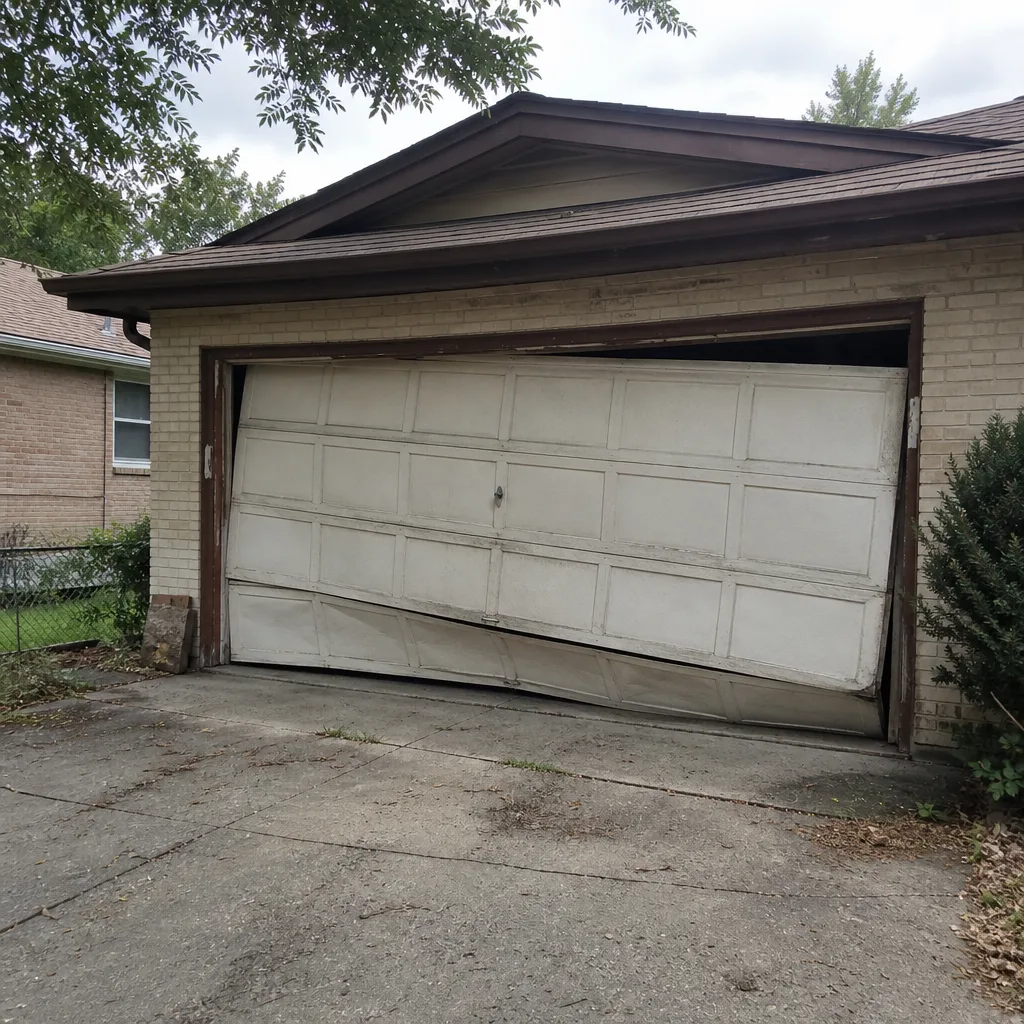 Before
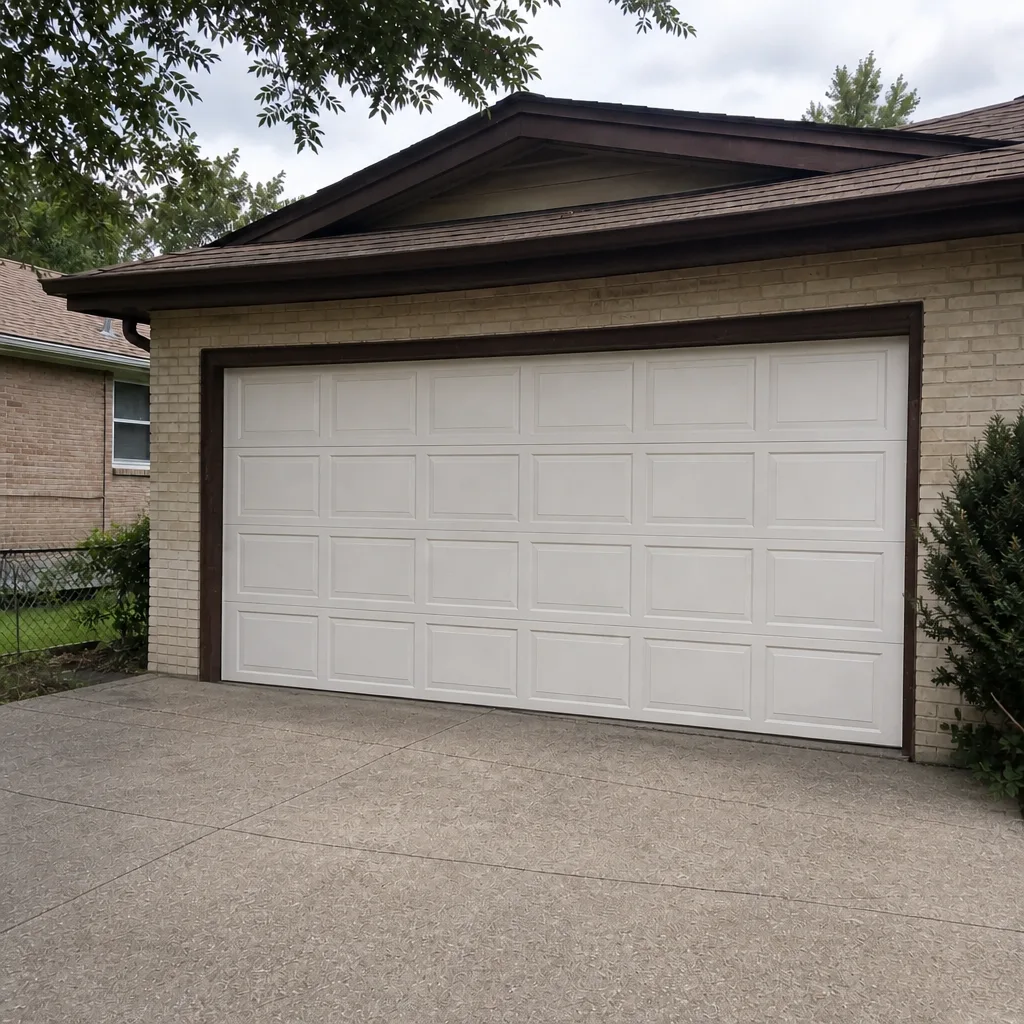 After
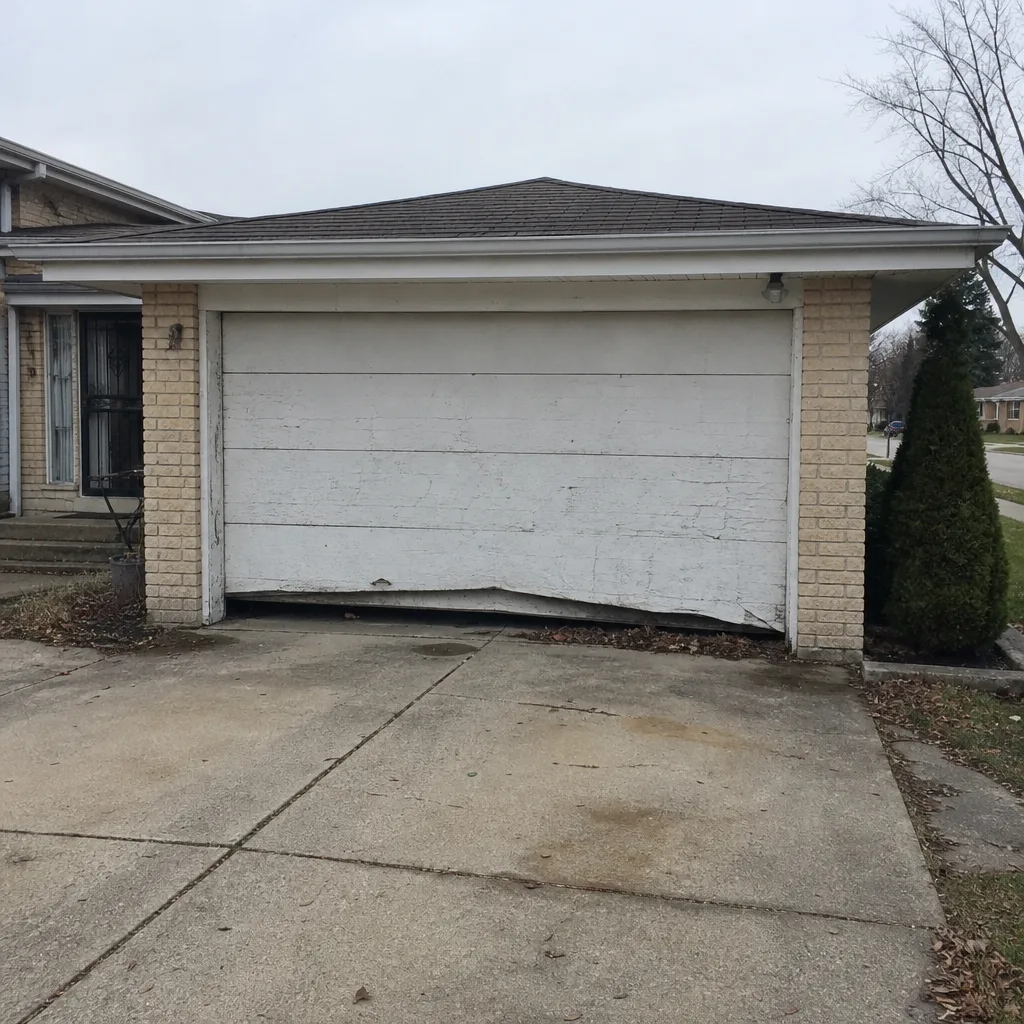 Before
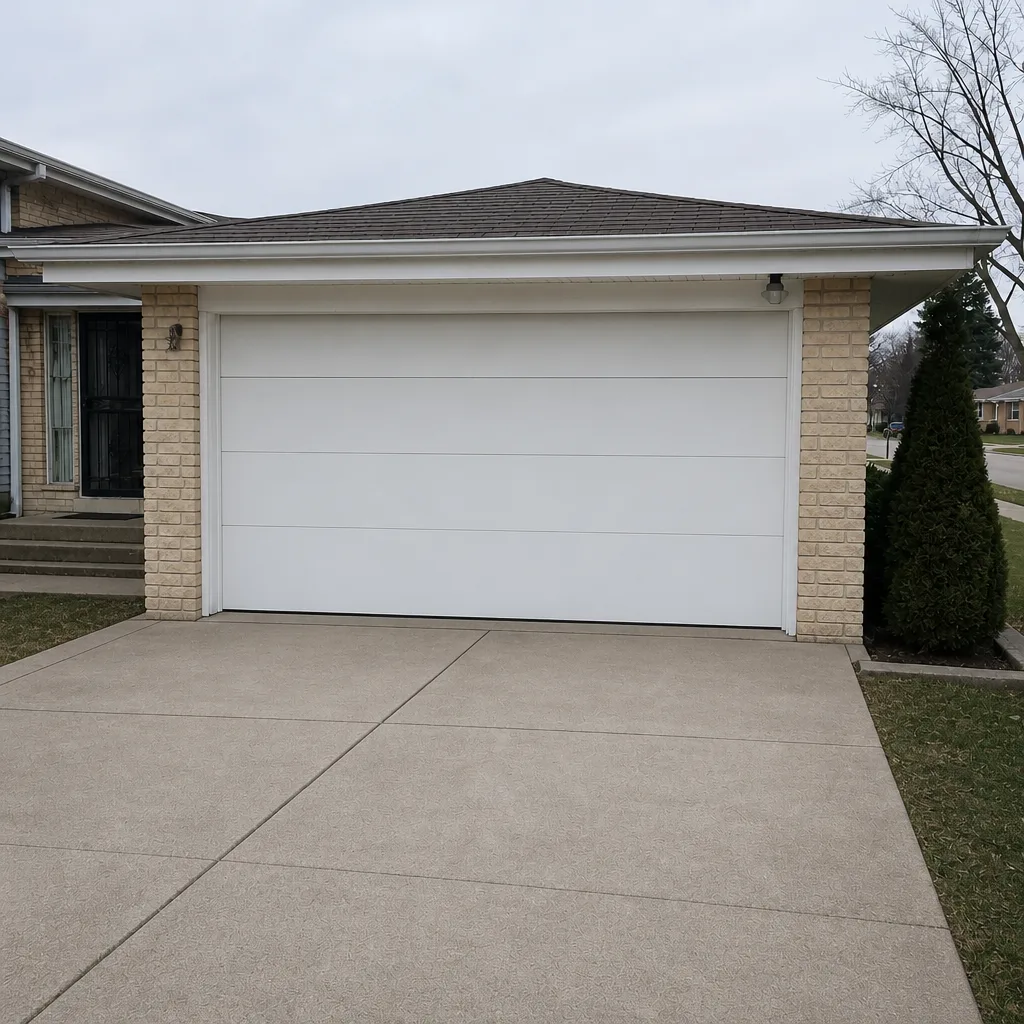 After
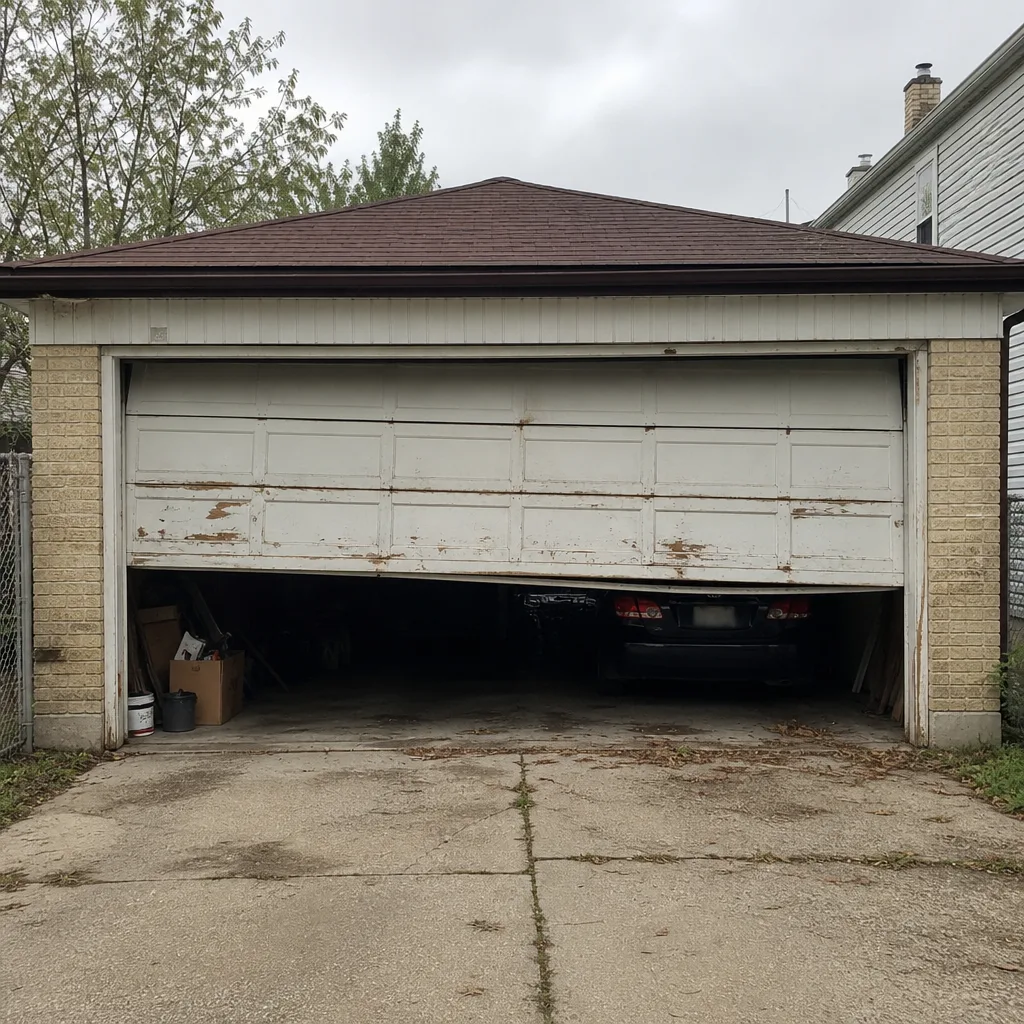 Before
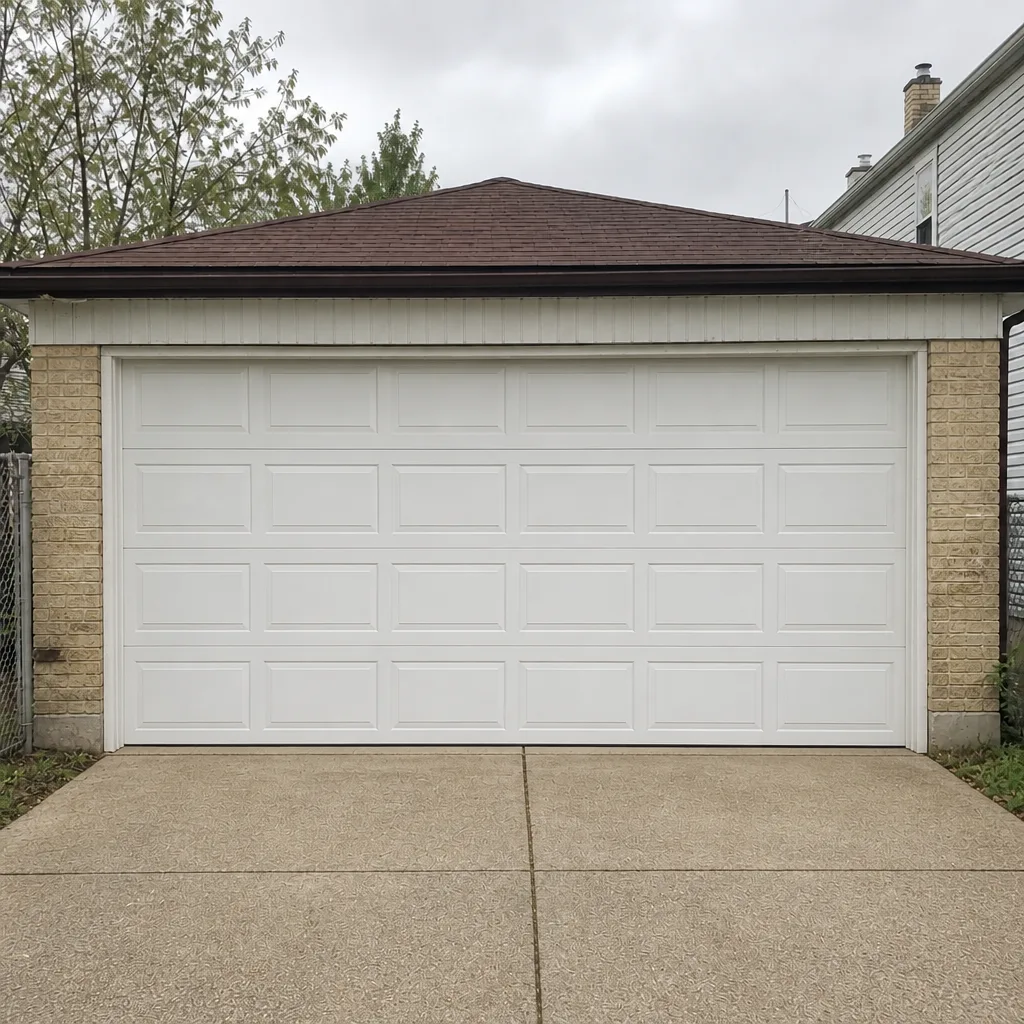 After
When to Call a Professional
Call a professional if any item on the stop-and-call list is present, if the door jerks, sags or lifts unevenly, if a spring or cable looks worn or damaged, or if the opener strains, reverses unpredictably or won’t run. These are the cases where operating the door can cause injury or turn a small repair into a full replacement. We work on the brands in most Norwood Park garages, from Clopay and Wayne Dalton doors to LiftMaster and Chamberlain openers, so a call covers the door and the hardware in one visit. Garage Door Repair Norwood Park offers free estimates – call (844) 443-3746. We answer 24/7, with fast dispatch from 7am to 7pm, Sunday through Friday.
Frequently Asked Questions
The first signs are usually noise and movement changes: a new squeal, grind or pop, or a door that lifts unevenly or jerks. Visible rust on springs or cables and a door that hesitates before moving are also early warnings. Catch them early and the repair is usually simpler.
A broken garage door spring usually shows as a loud pop followed by the door refusing to open, or the door feeling very heavy when lifted by hand. You may also see a visible gap in the spring coil. Stop using the door and call a technician; broken springs are dangerous to operate.
Most grinding is not an emergency; it usually means dry rollers or hinges and is fixed with lubrication or hardware repair. Grinding that comes with a door that jerks, drops or won’t travel evenly is different. When in doubt, call and describe what you hear.
A homeowner can do a basic visual and listening check twice a year, ideally before winter and after it. Keep in mind Norwood Park’s freeze-and-thaw cycles are hard on springs, seals and grease, so a professional check is worth arranging if you hear new noises or the door starts moving unevenly.
No. A frayed or snapped cable is under tension and can whip and cause serious injury, so leave it to a trained technician. Keep people and cars clear of the door until it’s repaired.
No. We quote the price and agree it with you before any work starts, and the written estimate sets the final price. Call (844) 443-3746 for an exact quote – estimates are free.
The Bottom Line
Garage doors broadcast their problems before they fail, and the signs are there for weeks if you know what to look and listen for. Grinding and squealing usually mean wear that maintenance covers. Popping, fraying or a door that jerks, sags or drops means stop and call. Sorting the signs into DIY, monitor and same-day categories is the whole game, and it’s how Norwood Park homeowners avoid the stranded-car morning. When you do need a hand, keep it simple: call us at (844) 443-3746, describe the sound or the movement, and we’ll tell you what’s likely and what it’ll take. We answer 24/7. Fast dispatch from 7am to 7pm, Sunday through Friday.
Written by the team at Garage Door Repair Norwood Park.