
Last updated November 21, 2026
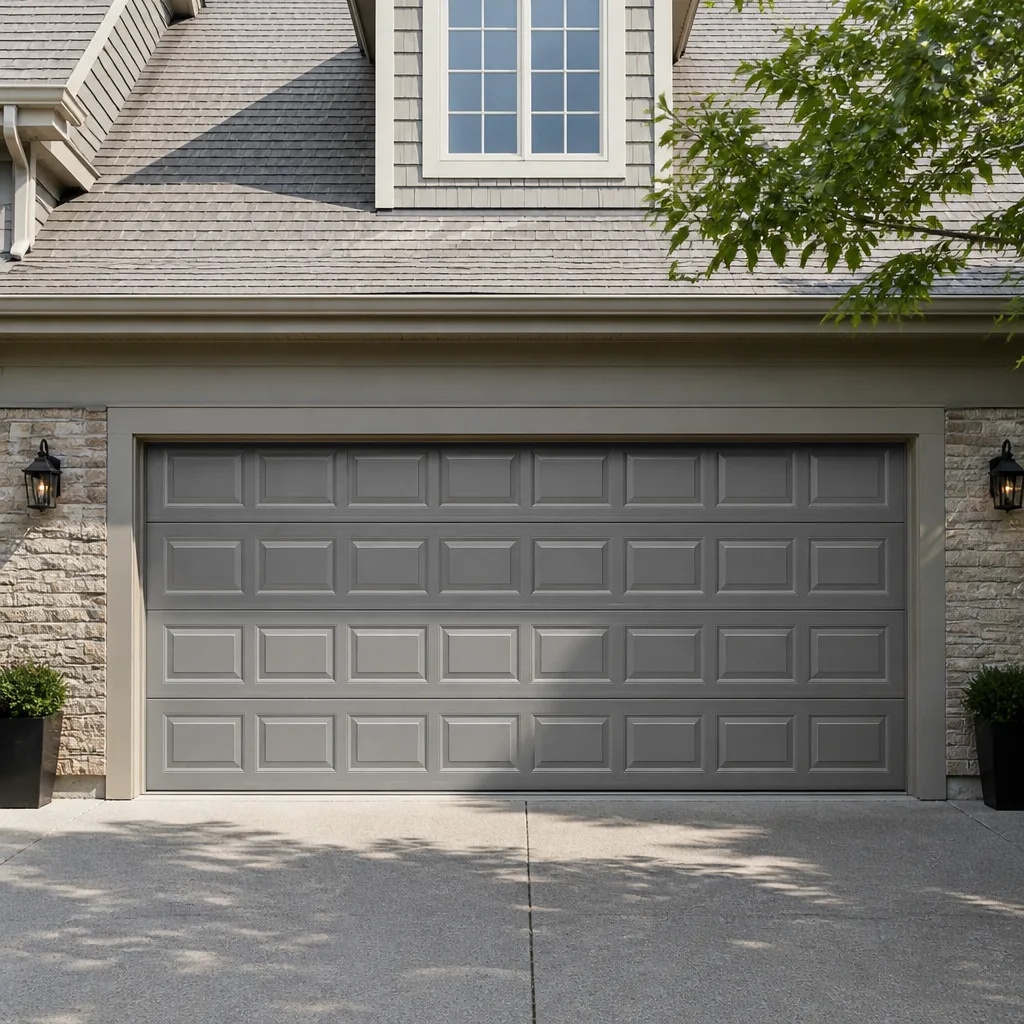 Raised-panel steel
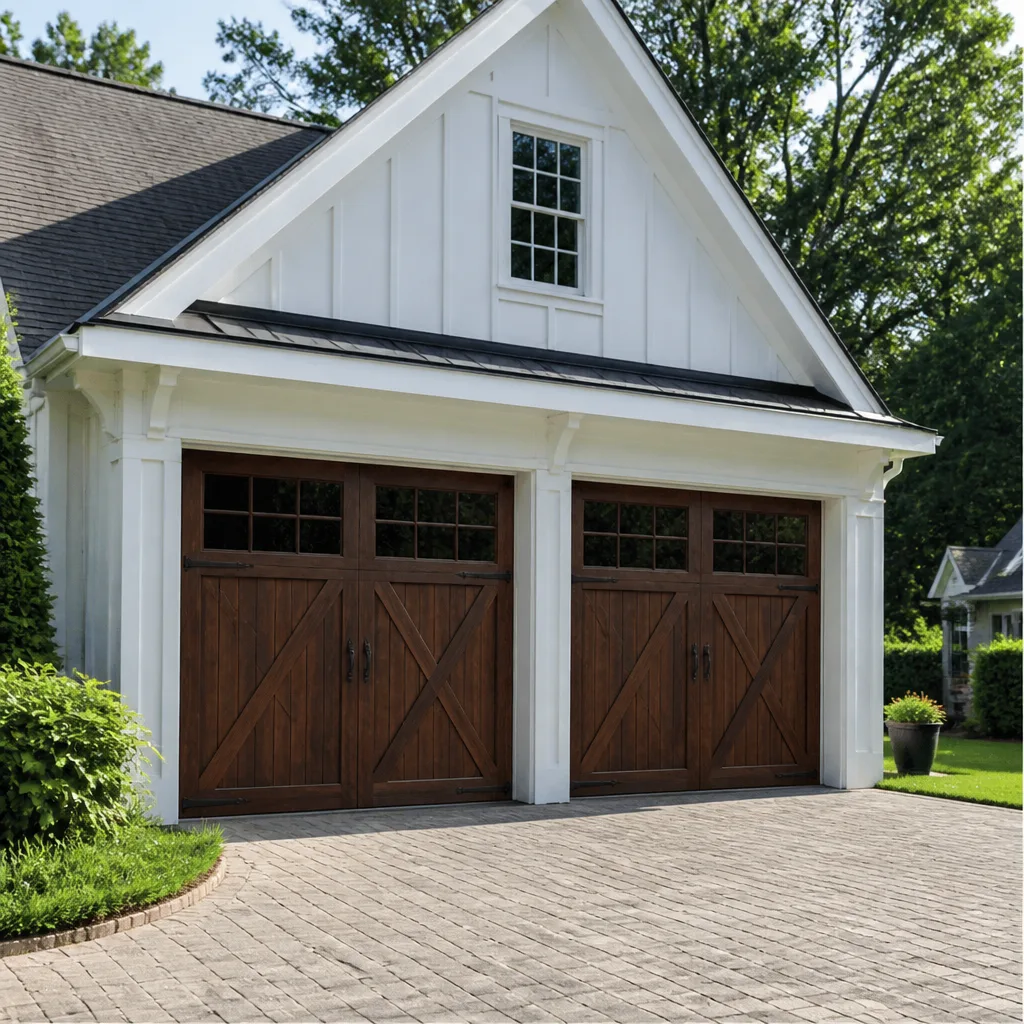 Carriage house
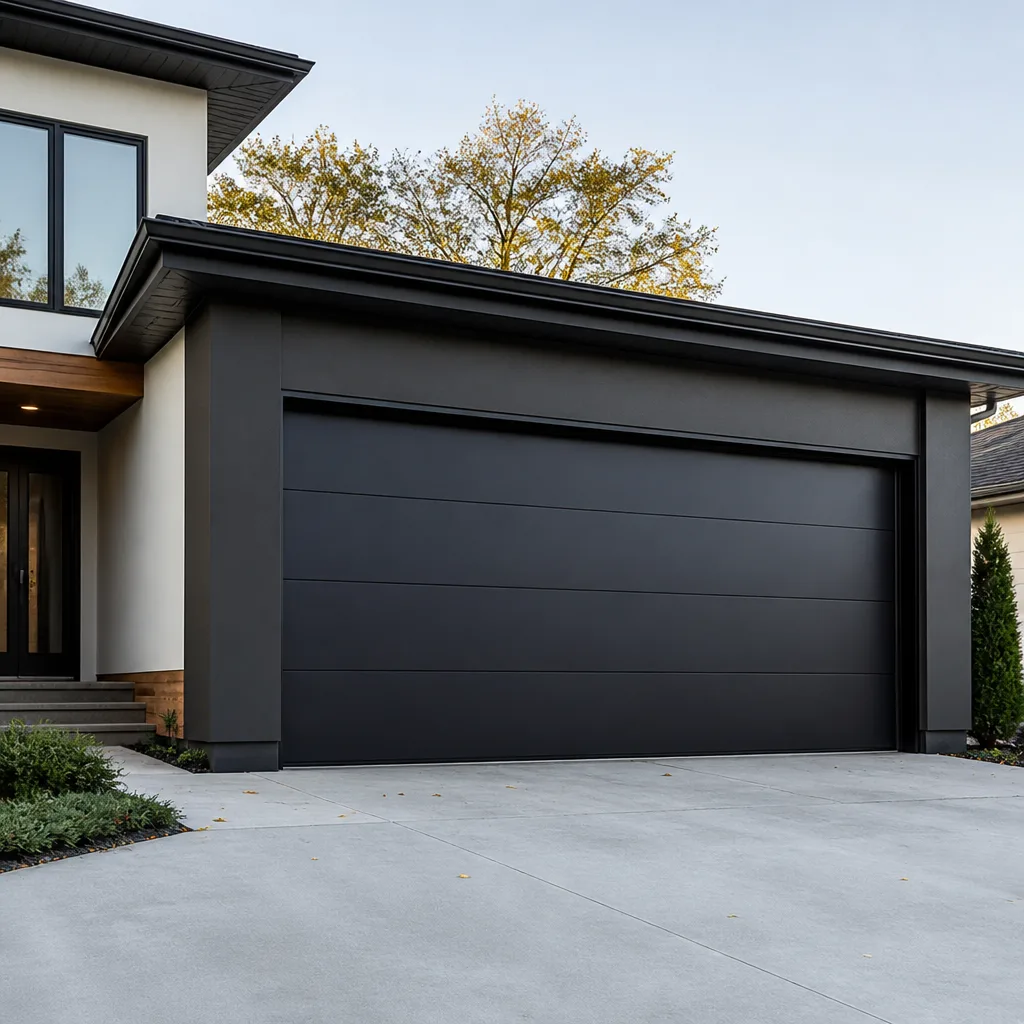 Modern flush
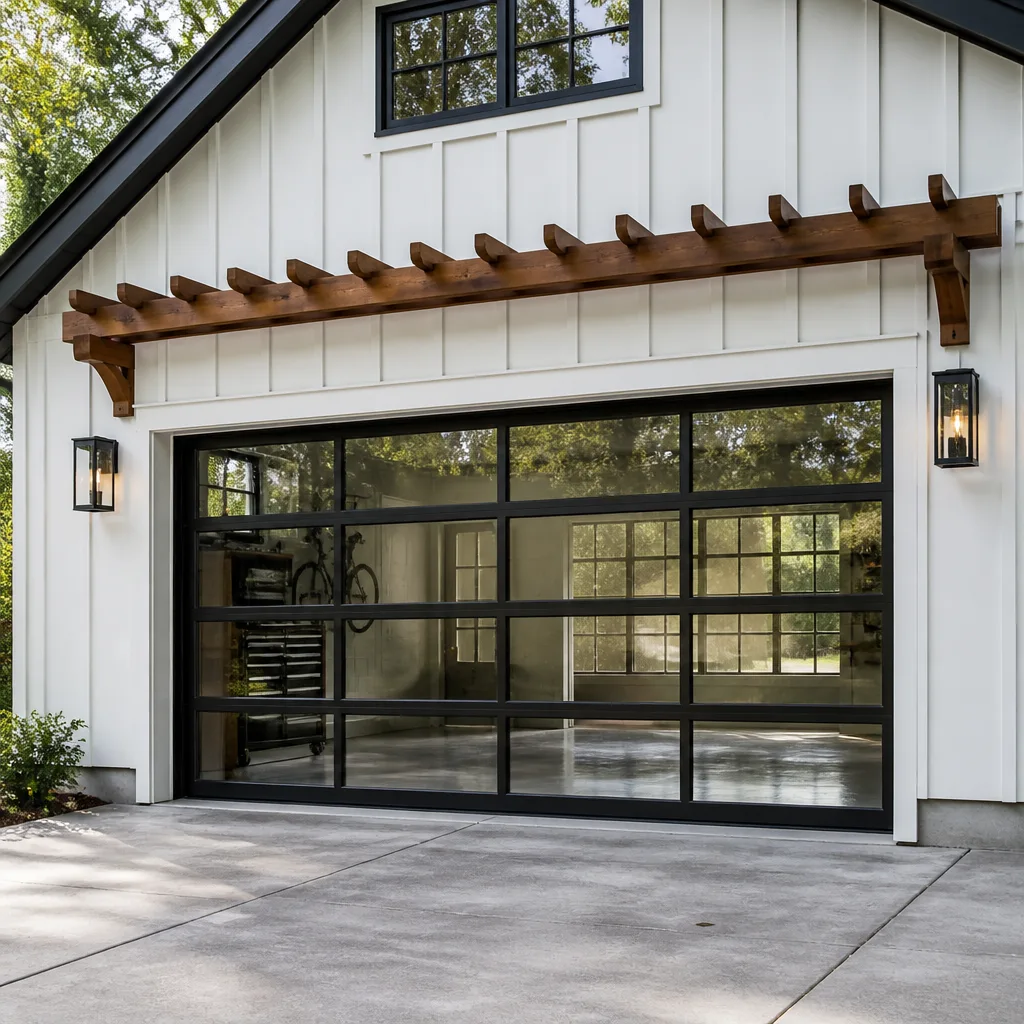 Full-view glass
 LiftMaster openers
 Chamberlain openers
Full 25-point door and opener safety check with every visit - springs, cables, rollers, tracks, and your LiftMaster or Chamberlain opener included
You get a price before we start. It does not change when the pro arrives.
Get your free estimateGarage Door Repair Maintenance Checklist for Norwood Park Homeowners
The biggest maintenance mistake we see in Norwood Park garages isn’t skipping lubrication. It’s lubricating the wrong parts with the wrong product, which grinds grit into the moving surfaces and speeds up the wear you were trying to prevent. A door that gets sprayed with whatever is in the toolbox can run rougher within a year than one that was left alone. The fix isn’t a longer list; it’s a shorter, smarter one built around where doors here actually fail. In this guide, we’ve built the checklist backward from the failure points we see most often in Norwood Park: freeze-thaw cycles, detached garages that take the full brunt of winter, and doors pushing twenty years old that have never had a single service. You’ll get inspection intervals with honest reasoning for each, the right lubricants for the right parts, a real balance test, and the signs a task has crossed from maintenance into repair.
Quick Answer
A solid maintenance routine for a Norwood Park garage door means monthly visual checks of springs, cables, and rollers, seasonal lubrication and balance testing at the change from cold to warm weather (and back), and an annual full inspection of the opener, hardware, and weather sealing before winter. The two items homeowners skip most often are the balance test and lubricating rollers and hinges with the correct product. Neither takes more than a few minutes, and together they catch the majority of failures before they happen. Anything involving the torsion spring, the cables, or the opener’s internal parts is repair work, not maintenance, and belongs with a trained technician.
Styles & brands we work with
- Raised-panel steel
- Carriage house
- Modern flush
- Full-view glass
- LiftMaster openers
- Chamberlain openers
Table of Contents
- What to Check Every Month
- Seasonal Checks for Norwood Park’s Freeze-Thaw Cycle
- The Annual Pre-Winter Inspection
- Which Lubricants to Use, and What Never to Spray
- How to Do a Legitimate Balance Test
- When Maintenance Becomes a Repair
- Your Printable Norwood Park Garage Door Checklist
- Common Mistakes to Avoid
What to Check Every Month
A monthly walk-around takes five minutes and catches the things that change slowly. The goal isn’t to fix anything; it’s to notice. Start the door slightly open and look before you touch.
- Look at the springs. Torsion springs sit above the door on a steel shaft; extension springs run along the sides. A thin gap or a visible stretch in the coil means a spring is on its way out. Don’t try to adjust anything here. Springs are under extreme tension, and the safest thing you can do is see the problem and call.
- Run a hand along each cable. With the door closed and the tension off, feel for fraying, kinks, or rust pitting. A cable that feels rough is failing. Cables aren’t a service item you can safely replace yourself.
- Check the rollers. Nylon rollers should spin freely with a wobble-free track; steel rollers should be firm but not grinding. A flat spot or a loose stem is a cheap fix today and a bent track later.
- Watch the hinges. Hinges at each panel joint should move without binding. Listen for squeaks as the door opens.
- Test the safety reverse. Place a roll of paper towels in the door’s path and press the close button. The door should reverse on contact or stop. If it doesn’t, stop using the opener until it’s fixed. This is a genuine safety device, not a convenience.
In Norwood Park, the monthly list also includes a quick check of the weather seal along the bottom. July and August humidity warps seals just as surely as winter freezes do, and a warped seal lets in the moisture that rusts hinges. If you own a LiftMaster or a Craftsman opener and the wall button feels loose or occasionally unresponsive, note it; that’s often the first sign of a control board or wiring issue, and it’s worth a professional look before it strands the door open.
Seasonal Checks for Norwood Park’s Freeze-Thaw Cycle
Seasonal checks are where Norwood Park diverges from a generic checklist. The freeze-thaw cycle here works on a garage door the way it works on a driveway: metal expands during a mild afternoon, contracts hard overnight, and repeats all winter. That cycling loosens bolts, works track brackets out of square, and stiffens every moving part until they don’t move freely anymore.
Two seasonal checkpoints carry the most weight: late fall, before the first hard freeze, and early spring, once the worst of the cold has passed. At both points, do the following:
- Test the balance by hand (method below), not just with the opener.
- Run the door up and down and listen. New noise after a cold snap usually points to a stiff roller, a loose hinge, or a bracket that shifted.
- Check the track. Stand inside the garage, look down the length of each track, and see whether the rails are parallel and true. A single out-of-square bracket in a garage that sees hard frosts is normal wear, and fixing it early prevents the roller damage that follows.
- Inspect the threshold. Snow, ice, and road salt tracked into a garage sit against the bottom seal and the bottom panel. Salt is the reason the bottom section of a Wayne Dalton or Amarr door often shows corrosion first. Rinse the threshold in spring, once the salt is gone for the season.
- Take a photo of the springs. Comparing this season’s photo to next season’s is the simplest way to spot a spring starting to elongate.
Seasonal checks should not include adjusting cables or attempting to reset a spring. Those are repair items, and in this climate, they come up because cold weather pushes tired hardware past its limit, not because you did something wrong.
The Annual Pre-Winter Inspection
The annual inspection is the one that pays for itself. Do it in late fall, before the first snow, when you still have time to book a repair without the door being your only way in and out. For a Norwood Park homeowner, this is also the best time to schedule any work that involves parts, since a door that breaks in January means waiting for a spring or opener control board while the car sits outside.
Go through this list once a year:
- Walk the opener’s force and travel settings. The door should reverse on the towel test at the start and stop cleanly at the floor. If either adjustment needs more than a small tweak, call a technician; force settings are a symptom of a door problem, not the cause of one.
- Check the door’s overall alignment. With the door down, look along the bottom edge. A door that sits crooked is telling you where the mechanism is unhappy, whether that’s a worn roller, a bent track, or a cable starting to slip.
- Inspect every hinge and roller for wear. Steel rollers wear to a flat spot. Nylon rollers crack at the stem. Hinges get elongated holes. None of these fail loudly; all of them let you plan a repair on your terms.
- Check the panel faces for dents and stress marks. A dent that’s only cosmetic stays cosmetic. A crack at a panel joint means the door is flexing wrong, and that’s worth a professional look.
- Test the photo-eye sensors again. Clean the lenses, check that both are aligned, and verify the door reverses when the beam is broken. Faulty sensors are one of the most common reasons a door refuses to close.
If your opener is a Genie or a Raynor and the door’s travel stops short or runs too long, that’s usually a signal to check the limit settings. It’s also a sign an annual inspection is overdue, because the door has been adjusting around a problem instead of reporting it.
Which Lubricants to Use, and What Never to Spray
Lubrication is where most DIY maintenance goes wrong, and in Norwood Park’s cold, it goes wrong faster than most homeowners realize. Garage doors are not bicycle chains. They run in a dusty, gritty space, and the wrong product becomes a magnet for that grit.
Where to use what
- Rollers and hinges: a lithium-white grease or a garage-door-specific grease. These points need something thick enough to stay put as the door cycles; a light oil that runs off takes the lubricant’s job with it.
- Torsion springs and extension springs: a dedicated garage-door spring lubricant, or a basic white lithium spray. Only apply when the door is fully closed and the tension is off. Never lubricate a spring on a moving door.
- Track surfaces: nothing. The track needs to stay clean and dry; the rollers roll along it, and grease on the track accumulates grit and turns into grinding paste.
- Opener drive screw or chain: the manufacturer’s specified grease, applied sparingly, if the opener calls for it at all. Many modern openers from LiftMaster and Chamberlain are sealed and don’t need it.
What never to spray on a garage door
- WD-40 or similar penetrating oils on rollers, springs, or tracks. This is the single biggest mistake we see in Norwood Park. Penetrating oil cuts grease and runs out; on a track it also removes the friction the door needs to move smoothly, and in cold weather it can leave parts drier than they started.
- Cooking oil, spray silicone, or motor oil on hinge pins. These attract dust and, in a detached Norwood Park garage that sees temperature swings of forty degrees, become sticky. A sticky hinge grabs its roller and the door starts to bind.
- Graphite powder in spring passages. Graphite is for locks, not springs, and it can pack into the coil.
- Anything on the bottom weather seal. Seal material is a rubber or vinyl, and oil-based products break it down. Clean it with a damp cloth and use a silicone spray made for seals, if anything.
Our technicians lubricate with gravity and cold in mind. In summer, a lighter product can seem to work fine; by February, that same product has left the hinge surfaces dry and the door stiff. The right product on the right part is a maintenance decision, and it’s one worth getting right the first time.
How to Do a Legitimate Balance Test
A balance test tells you whether your springs are still doing their job. It’s the single most useful test a homeowner can run, and almost no one does it. Do it on a day when you can leave the opener disconnected, and only with the door in the raised position.
- Disconnect the opener. Pull the release handle to separate the door from the trolley.
- Raise the door manually to about halfway up. Use the handle, not the panels.
- Let go. The door should hold roughly where you left it. A slight drift of a few inches is fine.
- If the door falls, the torsion springs are weak or broken. If the door rises on its own, the springs are over-tensioned. Either result means the door has a spring problem, and the next step is to leave it in the down position and call for garage door repair.
What an out-of-balance door feels like matters as much as the test result. It feels heavy in the wrong place. A door that fights you mid-travel, or that has to be pushed the last two feet, has a spring on the way out. A door that slams down the last stretch has a spring that’s too tight. And a door that straightens itself out by the time the normal street date arrives is a door telling you the test is due. If the release handle feels like it needs extra force to pull, that’s the cable, and it’s a stop-and-call situation.
One boundary matters here: the balance test is a diagnosis, not a repair. Once the door fails it, the work is spring repair, and torsion springs are the most dangerous component on the door. That is one task no homeowner should do alone. Spring repair is a core service for any garage door specialist, and it’s the reason a trained technician with the right tools is worth calling rather than watching the door hang half-open for weeks.
When Maintenance Becomes a Repair
Maintenance is inspecting, cleaning, lubricating, and testing. Repair is replacing parts or correcting the door’s mechanism. The line between them is clearer than most checklists admit, and it’s the line most homeowners cross by accident.
These are repair territory, and none belong on a homeowner’s checklist:
- Replacing or adjusting torsion springs. High tension, stored energy, and the risk of serious injury. Call a technician, full stop.
- Replacing cables. A slack or snapped cable means the door is momentarily unsupported on one side, and the door can come down hard.
- Resetting or replacing opener limit settings or safety sensors. If the opener is fighting the door, the problem is usually the door, and a technician should find it with the opener’s diagnostics, not by trial and error.
- Straightening a bent track. A bent track is a symptom. The cause is usually a roller or spring issue, and forcing the track back can drop a door on you.
- Repairing or replacing a panel. Panel replacement on a Clopay or Amarr door needs the panel’s profile matched correctly, and the door needs rebalanced afterward.
As a general rule, if the task needs the door to be held open, involve a ladder, or touch a cable or spring, it’s repair. If the door isn’t functioning correctly after a monthly check, it’s repair. And if the opener is doing anything odd after a cold snap, it’s garage door opener repair.
Your Printable Norwood Park Garage Door Checklist
Print this list, date each column, and keep it on the wall inside the garage. A dated record makes the decision for you: when the same item comes up two cycles running, it’s time to call.
| Task | Interval | Date 1 | Date 2 | Date 3 | Date 4 |
|---|---|---|---|---|---|
| Visual check of springs and cables | Monthly | ||||
| Roller and hinge inspection | Monthly | ||||
| Safety reverse (towel) test | Monthly | ||||
| Weather seal and threshold check | Monthly | ||||
| Lubricate springs (door closed) | Seasonal | ||||
| Lubricate rollers and hinges | Seasonal | ||||
| Hand balance test | Seasonal | ||||
| Track alignment check | Seasonal | ||||
| Photo-eye sensor clean and test | Seasonal | ||||
| Opener force and travel test | Annual | ||||
| Full hardware inspection | Annual | ||||
| Panel face and joint check | Annual |
A simple rule as you date each row: if a check fails, write what failed and what you did about it. If a row fails again at the next interval, book a professional. The record is the point.
Common Mistakes to Avoid
- Spraying WD-40 or silicone on the tracks. It seems intuitive that smoother is better. In practice, a track is meant to stay clean and dry, and grease collects the grit that turns into grinding paste. Clean the track with a dry cloth.
- Skipping the balance test because the opener works. The opener can mask a weak spring for a while. A door that opens fine but feels heavy halfway is already out of balance. The test takes two minutes and tells you what the opener is hiding.
- Lubricating a spring with the door half-open. Springs under tension are dangerous. Only lubricate with the door fully closed and the tension off, and never reach into the spring coil. Norwood Park’s cold makes it tempting to over-lubricate a stiff spring; the answer is the right product on the right part, not more product.
- Ignoring the bottom seal in winter. Salt and ice sit on the threshold and eat the bottom panel first. A five-minute rinse in spring saves a panel later.
- Adjusting the opener’s force setting to compensate for a stiff door. This is the clearest maintenance-turned-repair mistake. If the opener needs more force, the door is binding, and increasing force masks the problem while causing damage elsewhere. Call a technician to check the door, not the force setting.
- Forgetting the opener is part of the door. A LiftMaster or Chamberlain opener that’s been fighting a stiff door is under extra strain and will fail earlier than it should. On a Norwood Park door that runs daily through winter, the opener’s service life depends on the door’s condition.
- Not writing it down. Without dates, “it’s been fine” replaces “it failed last winter too.” A dated checklist is what turns maintenance into decisions rather than guesswork.
See the difference
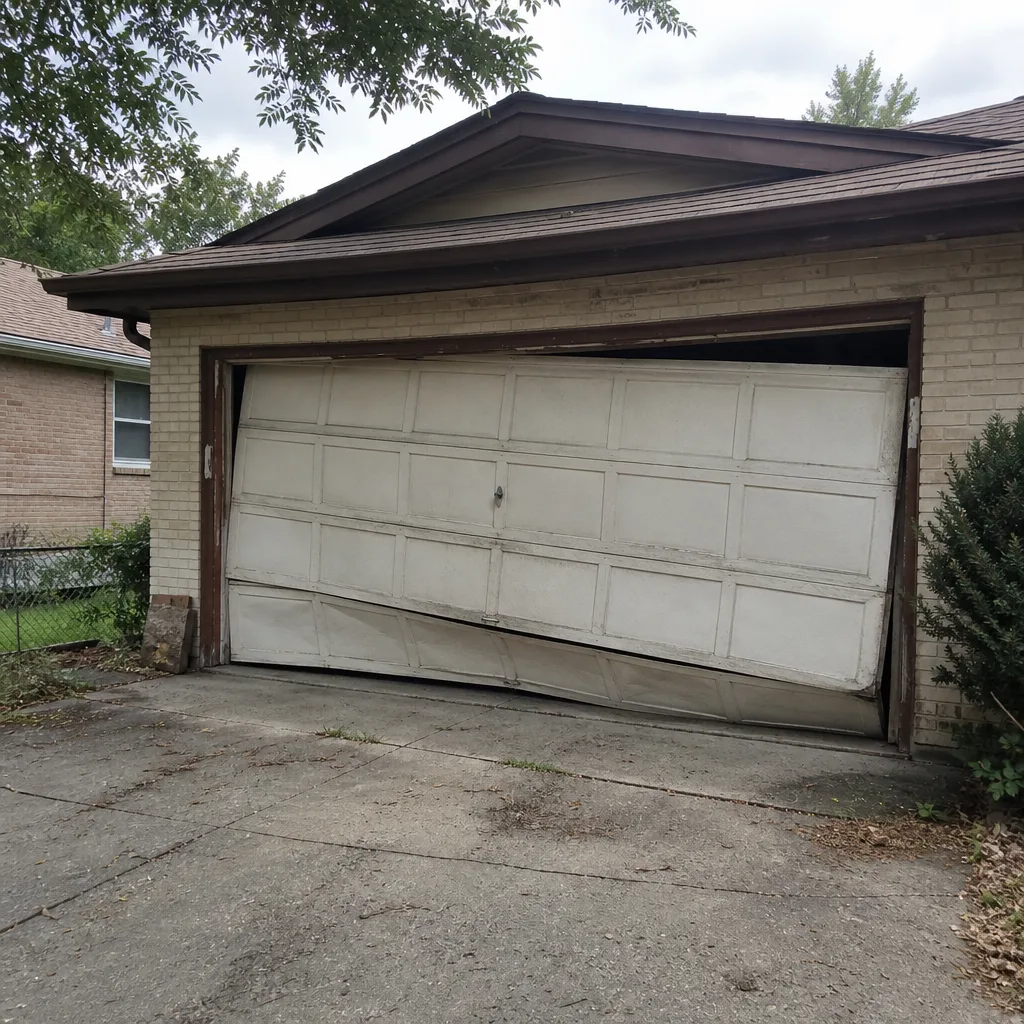 Before
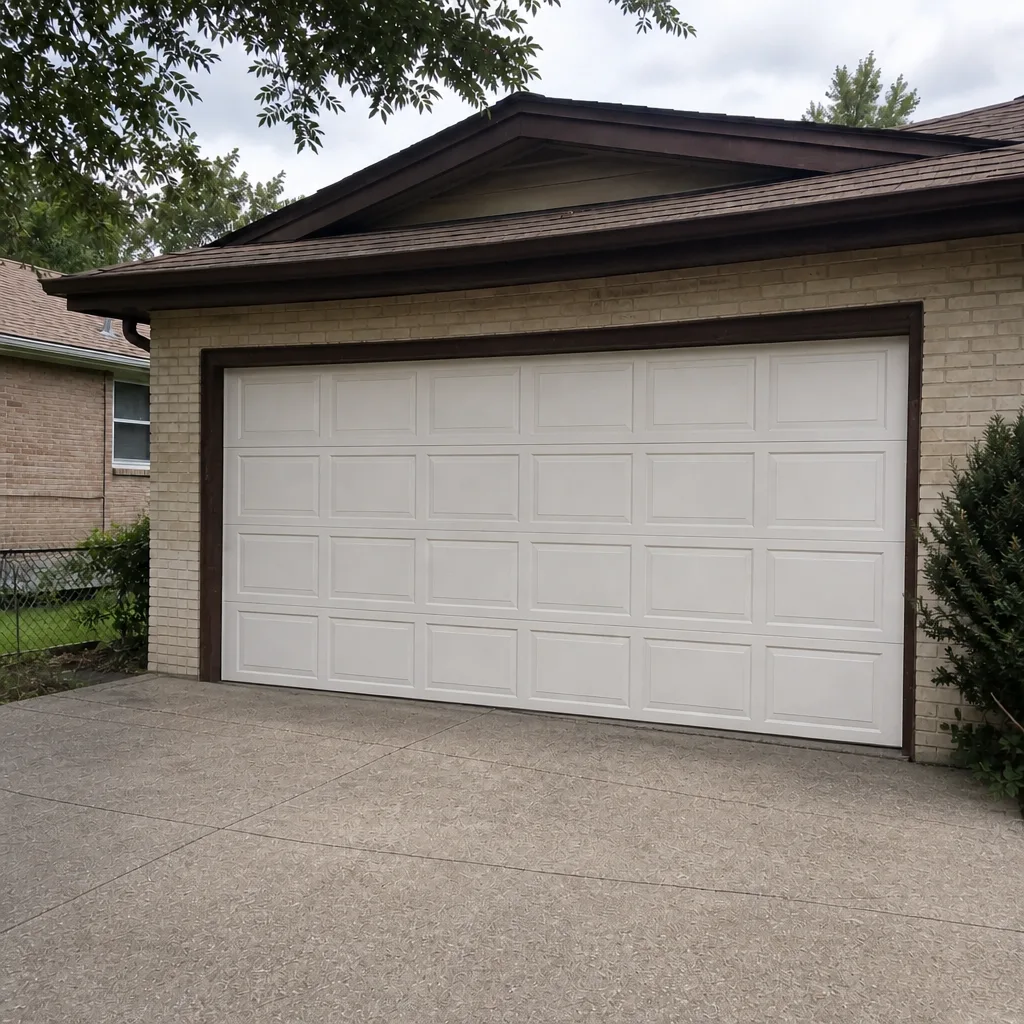 After
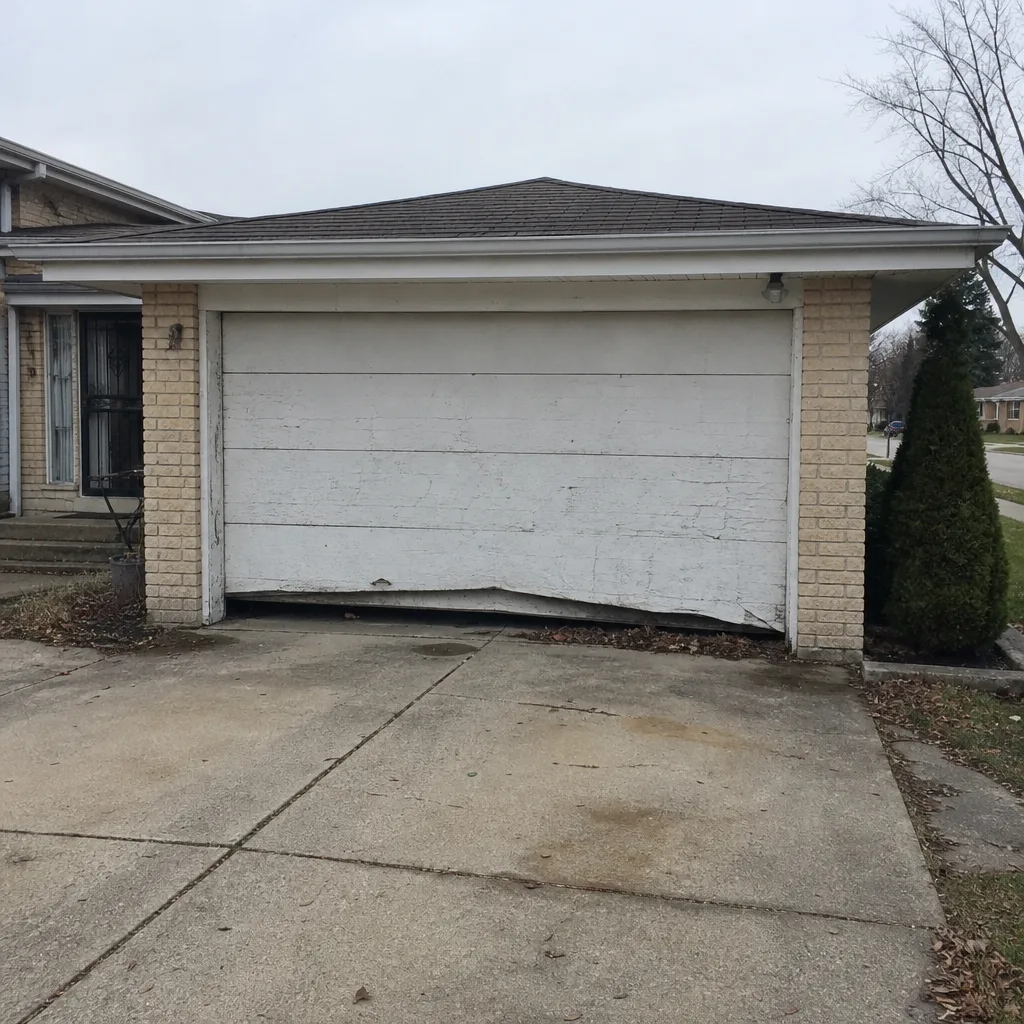 Before
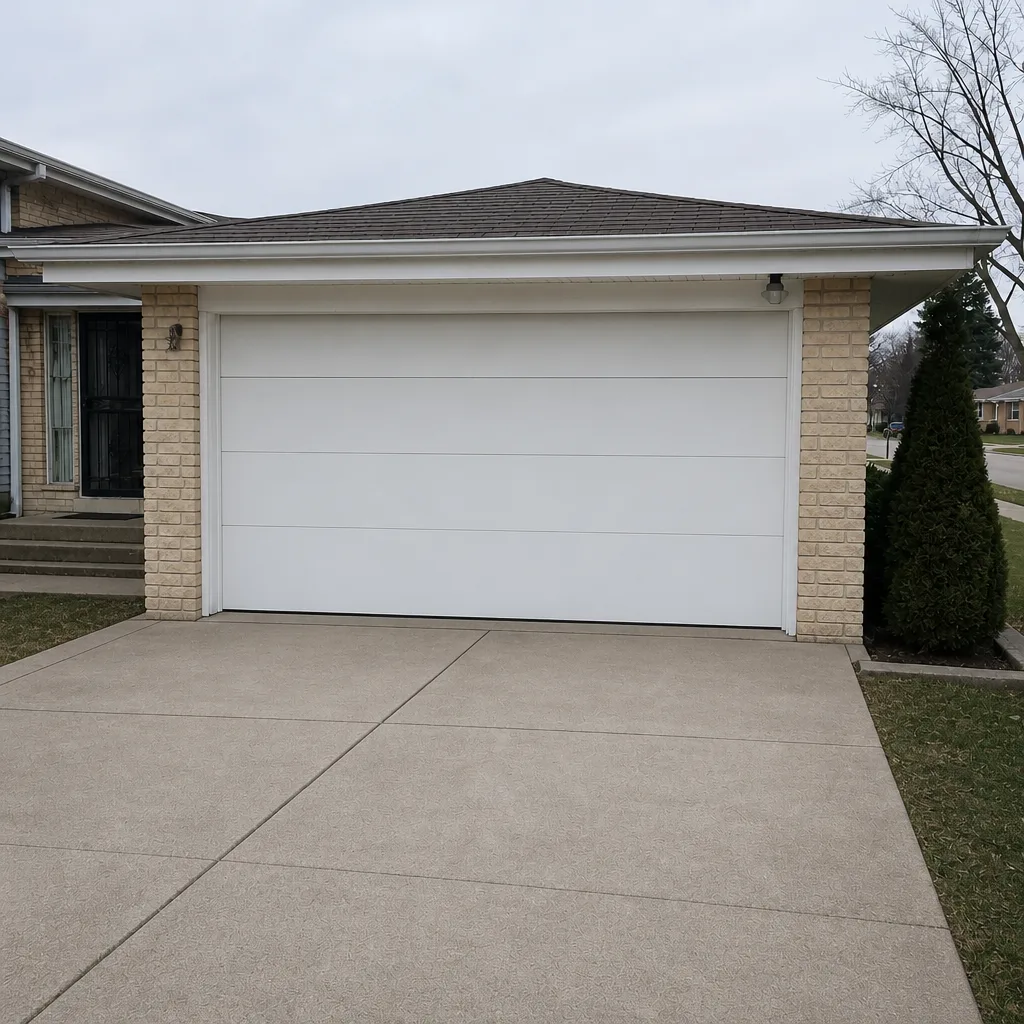 After
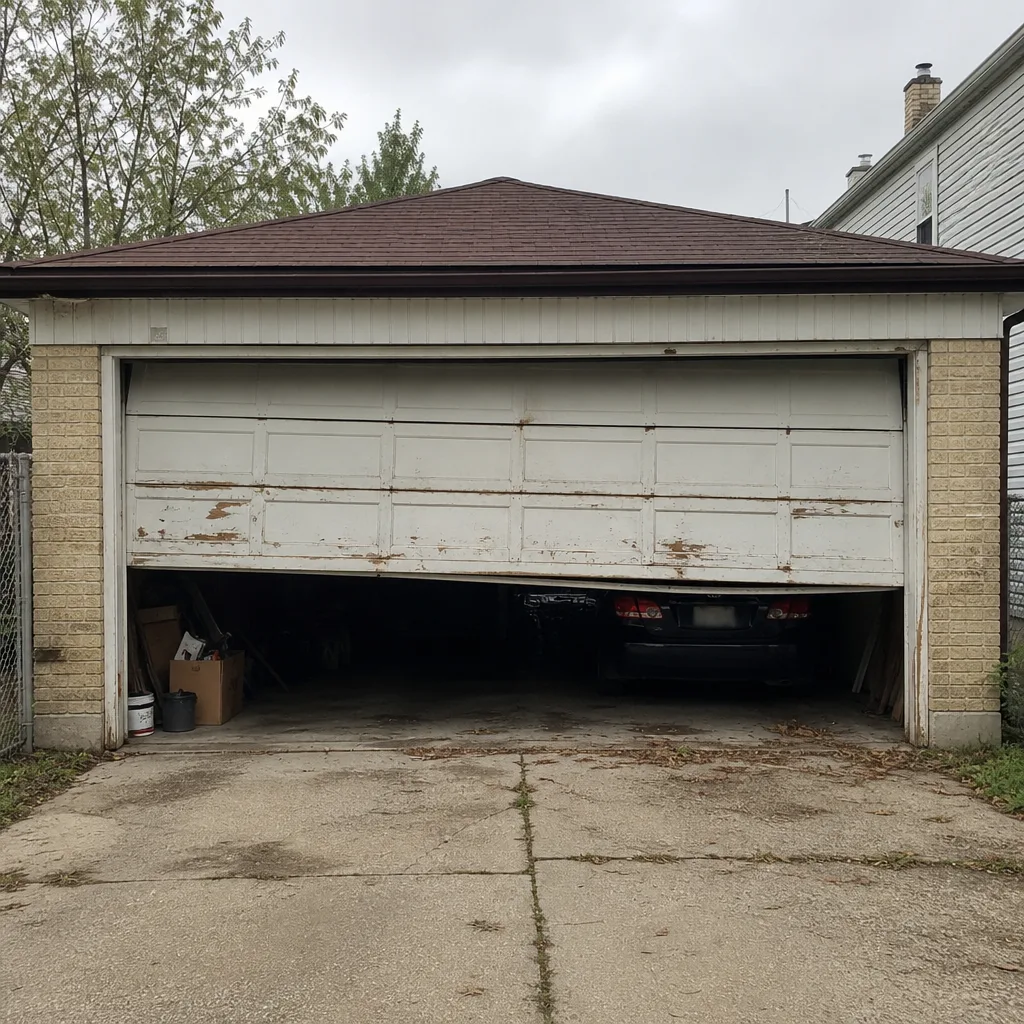 Before
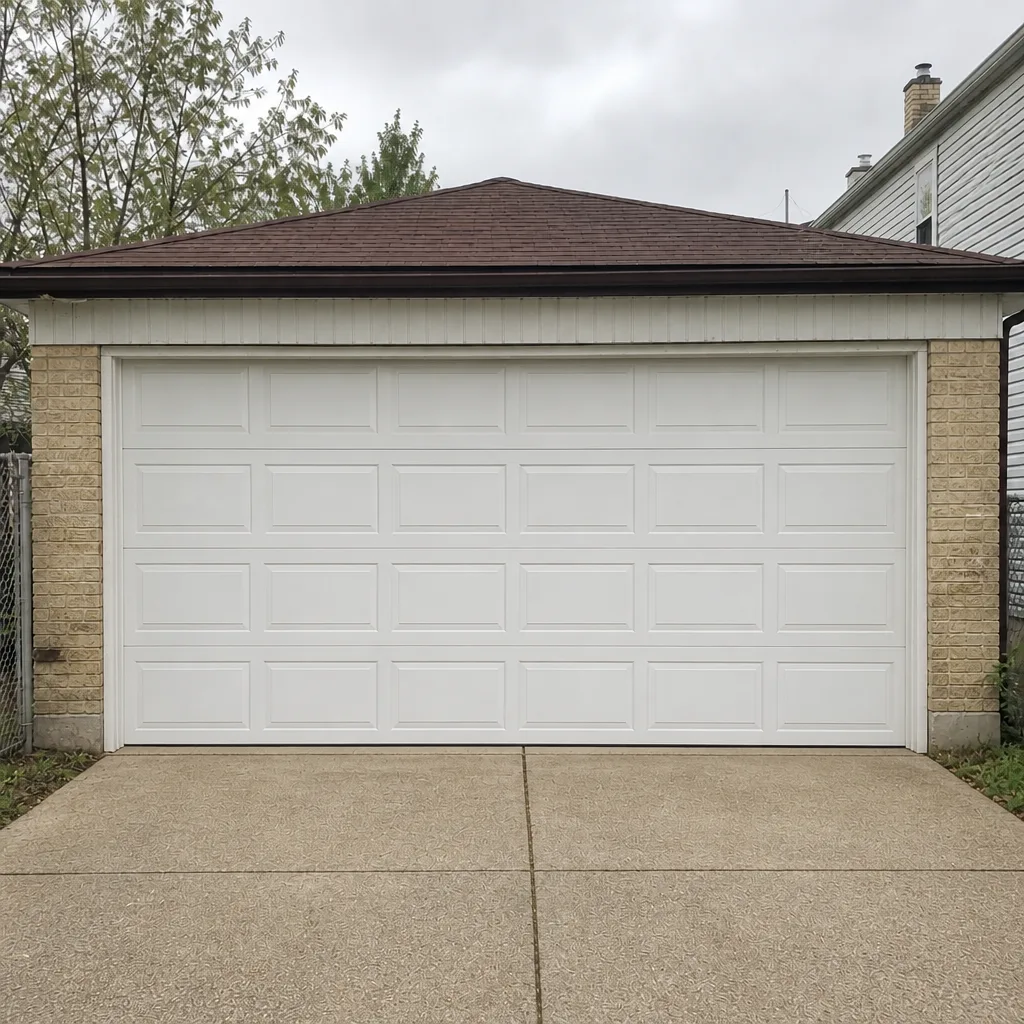 After
When to Call a Professional
Call a technician the moment any check points to a spring, a cable, a bent track, or an opener that needs more force. Call if the balance test fails, if the door reverses on its own or won’t stay down, or if the door feels heavy or fights you. If you hear a bang from the garage and the door won’t lift the next morning, that’s a spring failure, and it’s an urgent call, not a wait-and-see. If the opener is a brand we see often in this area, such as LiftMaster or Raynor, and it’s misbehaving, that’s a garage door opener repair conversation, not a maintenance one. And if your door has never had a full inspection, a pre-winter visit is the right first step. Garage Door Repair Norwood Park offers free estimates in Norwood Park. Call (844) 443-3746. We answer 24/7. Fast dispatch from 7am to 7pm, Sunday through Friday.
Frequently Asked Questions
Once a year is enough for most doors in Norwood Park, ideally in late fall before the hard freezes. A door that’s more than about fifteen years old or opens many times a day benefits from a second visit at the start of spring. Between visits, the monthly checks in this guide carry the rest.
A heavy door means a weak or broken torsion spring and is not something to keep lifting. Stop using the door, leave it closed if possible, and call for spring repair. If you hear a loud bang and the door won’t lift at all, that’s a confirmed spring failure, and it’s urgent.
A lithium-white grease or a garage-door-specific grease is the right choice for rollers and hinges. For the torsion springs, use a spring-specific lubricant or white lithium spray with the door fully closed. Never use WD-40, motor oil, or cooking oil, and never put anything on the tracks.
Not usually. A door that reverses early is often misaligned sensors or a door that’s binding, and the opener is doing its safety job. Clean and realign the photo-eye sensors first, then test again. If it still reverses, the door is telling you it’s out of balance, which is a repair.
Yes, and it matters more, not less. Older doors from Wayne Dalton, Clopay, and Amarr wear at the hinges, rollers, and springs first, and a dated checklist catches that wear before a repair becomes a garage door installation. It’s also the cheapest way to know whether a repair is still worth doing.
Often, yes. For a broken spring, cable, or a door stuck open, we can usually get a technician out fast. Call (844) 443-3746 for an exact quote; estimates are free. We answer 24/7, with fast dispatch from 7am to 7pm, Sunday through Friday. If your call comes outside dispatch hours, we’ll book you into the next opening, Sunday through Friday, 7am to 7pm.
The Bottom Line
The right checklist for a Norwood Park garage door is short and pointed: a monthly look at springs, cables, rollers, and the safety reverse; a seasonal lubrication and balance test; and an annual full inspection before winter. Use the right lubricant on the right part, never on the tracks; skip the opener’s force setting unless a technician says so; and treat every spring and cable as a repair, not a project. Print the checklist, date it, and let the record make the call. When a check comes up twice, that’s the moment to call (844) 443-3746. We answer 24/7. Fast dispatch from 7am to 7pm, Sunday through Friday. For everything else, start with Garage Door Repair Norwood Park, where our technicians have up to 8 years of experience and the work is all we do. The written estimate sets the price before any work starts.
Written by the team at Garage Door Repair Norwood Park.